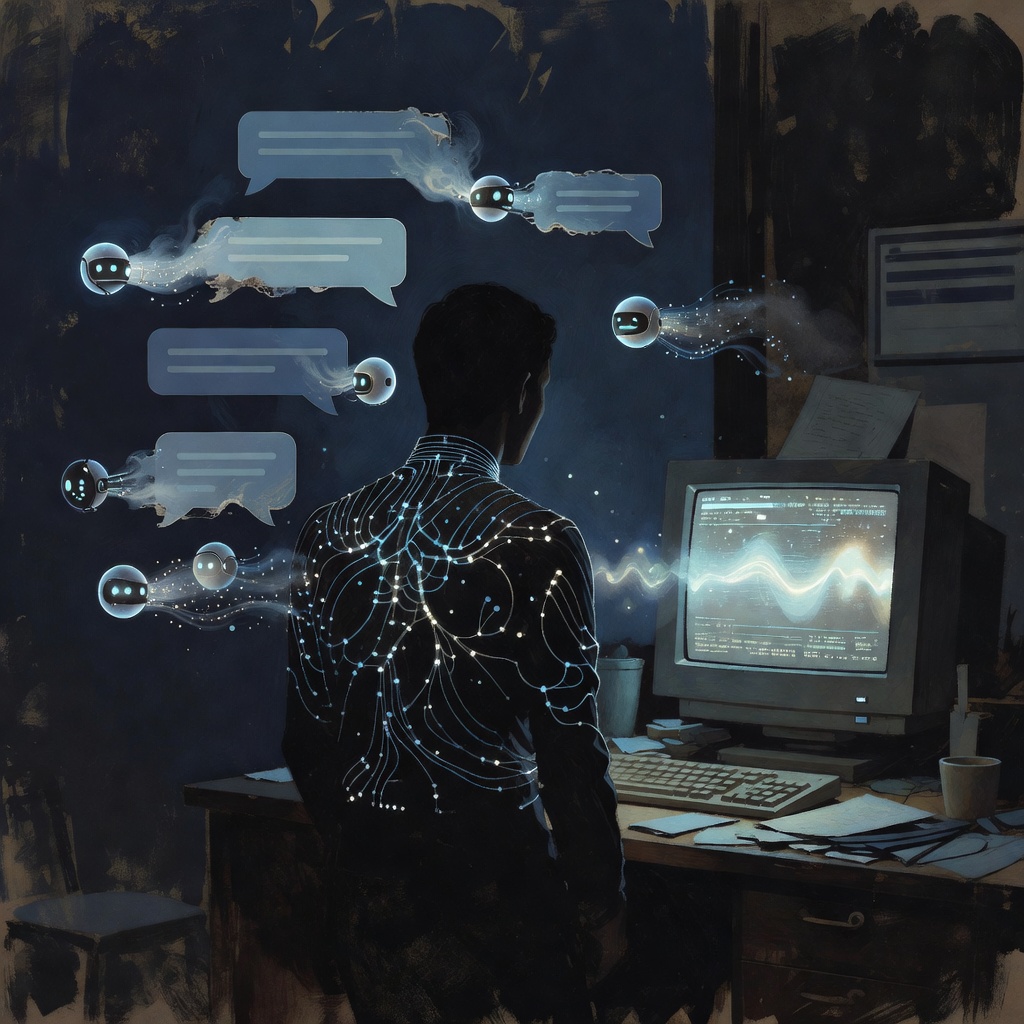
Marcus Vale: Picture a Tuesday. 10 AM. A product manager is in Slack — public channel — working through a sales comp problem with her team. She didn't ask for help. But something in that channel just... spoke up.
Ben Okonkwo: That's Claude Tag.
Marcus Vale: Anthropic launched it June 23rd. Replaces their old Slack app entirely. It joins the workspace as its own user account — and in ambient mode, it proactively participates in conversations without being prompted. The analogy they use, basically, is a colleague who's read every message in your channel for six months. They don't wait to be called on.
Ben Okonkwo: Wait — so it's available now? Not announced, actually shipping?
Marcus Vale: Beta. Claude Enterprise and Claude Team customers only. And look — Anthropic is sitting at a $965 billion valuation, they've filed confidentially for an IPO. This isn't a product experiment. Claude Tag is the ambient AI layer of the enterprise and they are planting a flag. The 88% stat tells you why: workers are already doing this with unsanctioned tools. Anthropic just made it official.
Ben Okonkwo: Right, but — making it official is doing a lot of work in that sentence. That's exactly the assumption I want to stress-test.
Ben Okonkwo: Because Meta made it official too. They had admin controls, channel-level permissions, a whole compliance framework — and then June 23rd happened. Same day Claude Tag launched. A data protection failure forced them to pause the entire employee monitoring program. Karianne Michelle at Acceligence basically said their protections were inadequate. And Anthropic's answer right now is... administrators retain control over which data and tools Claude Tag can access. That's — wait, that's almost word for word what Meta was saying.
Marcus Vale: Hold on. Same day?
Ben Okonkwo: June 23, 2026. And there's live federal litigation — In re Otter.ai Privacy Litigation — testing whether employers share liability when AI monitors conversations. BIPA, CIPA, the federal Wiretap Act. Fireflies.ai is named in the same context. The consent model these products run on hasn't survived a verdict yet.
Marcus Vale: The Otter.ai case is structurally different though — what's the actual claim that maps onto Claude Tag?
Ben Okonkwo: That's exactly it — Meredith Whittaker's framing is useful here. She said agentic systems like Copilot aren't tools with surveillance features. They're surveillance infrastructure. And the mechanism is the same for Claude Tag: persistent context retention, proactive participation, ambient behavior. You can't make that helpful without making it monitoring. The architecture is identical regardless of intent.
Marcus Vale: Okay, so here's what I actually want to know — what distinguishes Anthropic's admin controls from Meta's? Because I don't have an answer. And neither does their IPO filing.
Marcus Vale: Marcus Vale: But that's actually the wrong frame. Enterprises aren't choosing between Claude Tag and nothing. They're choosing between Claude Tag and Microsoft Copilot sitting in the same Slack channels doing the exact same ambient thing. Meredith Whittaker already called Copilot a backdoor into workplace communications. So the threat she's naming? It exists either way.
Ben Okonkwo: Hm. That's... actually a real point.
Marcus Vale: Cat Wu — Anthropic's head of product for Claude Code — she framed Claude Tag specifically as an evolution of Claude Code. More proactive, team-oriented. It can write and merge pull requests, locate sales data, break down tasks. That's not a chatbot with permissions. That's a — wait, actually that's the whole argument. The ambient behavior IS the product. It's not a bug in the governance story, it's why Rob Seaman at Slack put out a welcoming statement.
Ben Okonkwo: Right, but does sanctioning it solve the shadow-AI problem or just... normalize it?
Marcus Vale: Both. And that's fine. Twenty-nine percent of employees are already running unsanctioned agents. The governance problem exists on Monday morning whether or not Anthropic ships anything. Claude Tag is sanctioned shadow AI — I said it before and the 29% number is exactly why that matters.
Ben Okonkwo: Ben Okonkwo: No, wait. That cuts both ways. Sanctioning it accelerates adoption of the architecture Whittaker says is structurally surveillance. You're not containing the problem, you're formalizing it and shifting liability to the employer.
Marcus Vale: Partial win for you. The liability shift is real. But the PM in that Slack channel on Tuesday? Claude Tag sees 'comp,' flags payroll relevance, proactively asks for access — that's either her best assistant or her most intrusive auditor. Depends entirely on who's reading the log.
Ben Okonkwo: And that's — okay, that's actually where I want to land. Because Marcus, you're partly right. Claude Tag probably does accelerate enterprise adoption. The ambient AI layer is real, Anthropic is planting that flag. But the actual product launch that matters isn't June 23rd. It's the day the In re Otter.ai Privacy Litigation verdict drops. That verdict determines whether the consent model underneath Claude Tag — underneath every ambient enterprise AI product — is legally viable. Full stop. And Anthropic hasn't published a single line in their terms of service addressing the employer liability question that case is directly testing.
Marcus Vale: So Bori Cherny shipped the product and a federal jury is the QA team.
Ben Okonkwo: The Otter.ai jury is the real head of product for ambient enterprise AI.