Topic · 3 episodes
AI in Drug Discovery and Science
AI in drug discovery and science has attracted $60 billion in investment and placed 175 programs in clinical trials — yet no AI-designed drug has received FDA approval. Onpode's coverage tracks three converging developments: Insilico Medicine compressing discovery timelines from 4.5 years to 9 months, Anthropic launching Claude Science with 60-plus scientific databases, and the growing consensus that discovery was never the real bottleneck.
Frequently asked
Has any AI-designed drug been approved by the FDA?
No AI-designed drug has received regulatory approval anywhere. Despite $60 billion invested and 175 programs currently in clinical trials, the approval record stands at zero. AI has meaningfully compressed early-stage discovery timelines, but the 10-to-15-year clinical gauntlet remains largely unchanged by current AI tools.
How did Insilico Medicine use AI to speed up drug discovery?
Insilico Medicine's Pharma.AI platform compressed the drug discovery phase from an industry-standard 4.5 years to 9 months. However, that phase represents only 10–20% of total drug development time. Its lead candidate, rentosertib, is currently in Phase II trials with results still pending.
What is Claude Science and how does it relate to drug discovery?
Anthropic launched Claude Science on June 30, 2026, connecting 60-plus scientific databases to its existing Claude Opus 4.8 and Sonnet models — no new model was released. It also announced an internal drug discovery program staffed by ex-Genentech scientists from its $400 million Coefficient Bio acquisition, making Anthropic both a vendor and a competitor to pharma customers.
Is AI pattern-matching actually transforming drug discovery?
Anthropic CEO Amodei framed AI drug discovery as scalable pattern-matching, but the factual record shows pattern-matching accelerates candidate selection without shortening the clinical trial process. Discovery was never the primary bottleneck; the 10-to-15-year clinical gauntlet is, and AI has not materially changed that timeline.
Why is there a tension between AI companies and pharma in drug discovery?
Anthropic illustrates the conflict directly: it sells Claude Science as a research tool to pharma companies while simultaneously running its own internal drug discovery program using ex-Genentech scientists acquired through Coefficient Bio. That positions Anthropic as both a vendor and a direct competitor within the same market.
Episodes
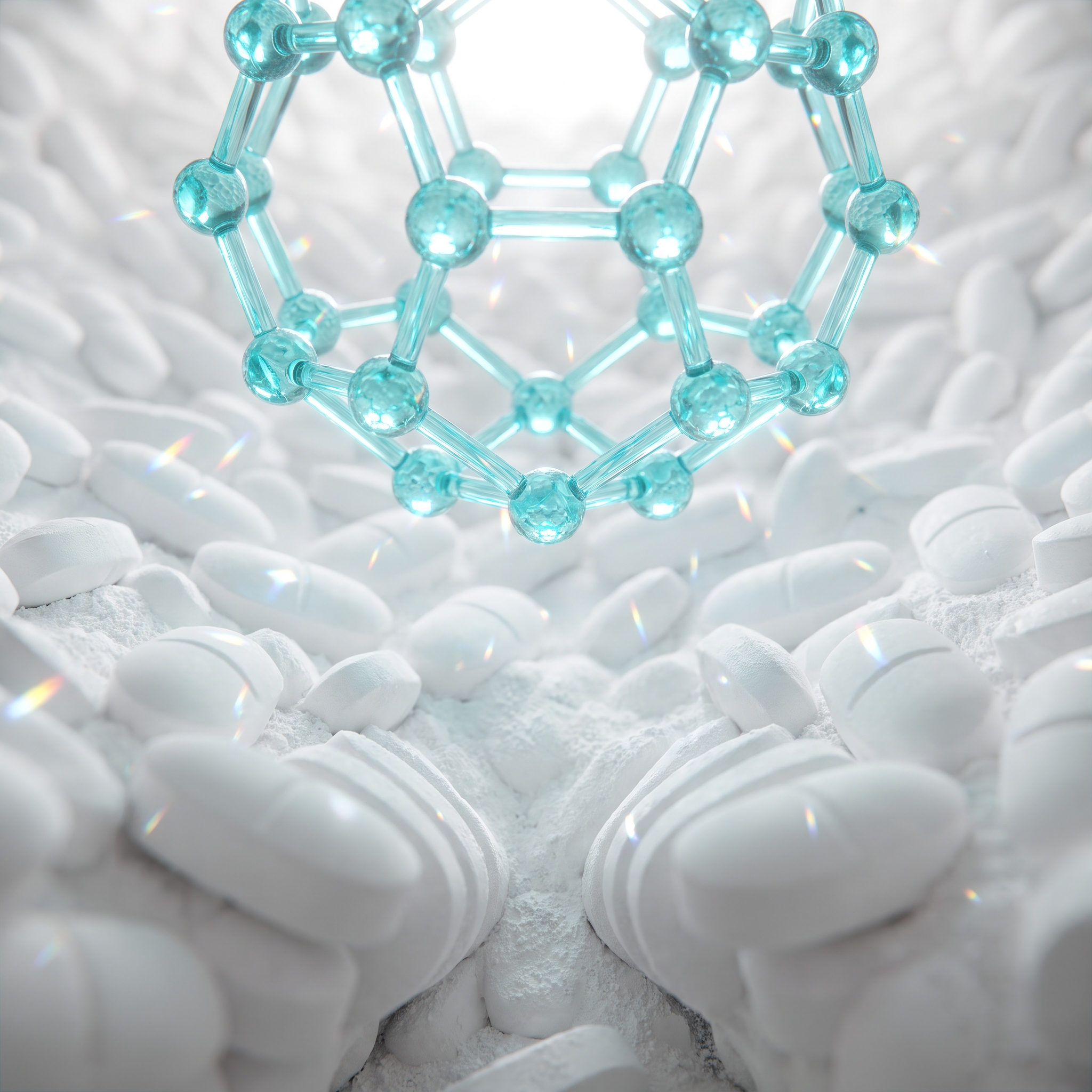 Insilico just compressed 4.5-year drug discovery into 9 months using AI—here's what that meansInsilico Medicine's Pharma.AI platform compressed drug discovery from an industry-standard 4.5 years to 9 months — but that covers only 10–20% of total development time. No AI-designed drug has received regulatory approval anywhere. Rentosertib, Insilico's lead candidate, is in Phase II trials with results still pending.
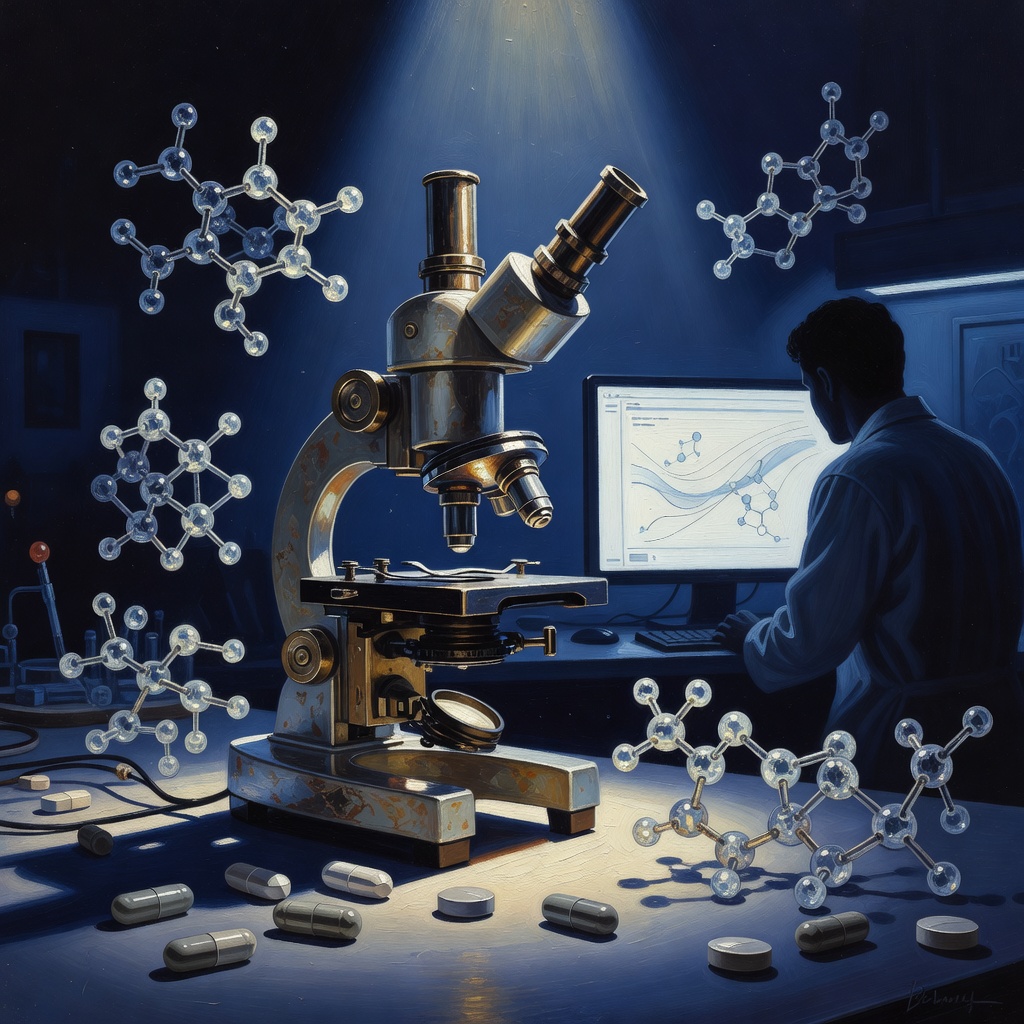 Anthropic just released Claude Science aimed directly at the pharma and research industryAnthropic launched Claude Science on June 30, 2026, connecting 60-plus scientific databases to Claude Opus 4.8 and Sonnet — no new model. The real tension: Anthropic simultaneously announced an internal drug discovery program using ex-Genentech scientists from its $400M Coefficient Bio acquisition, making it both vendor and competitor to pharma customers.
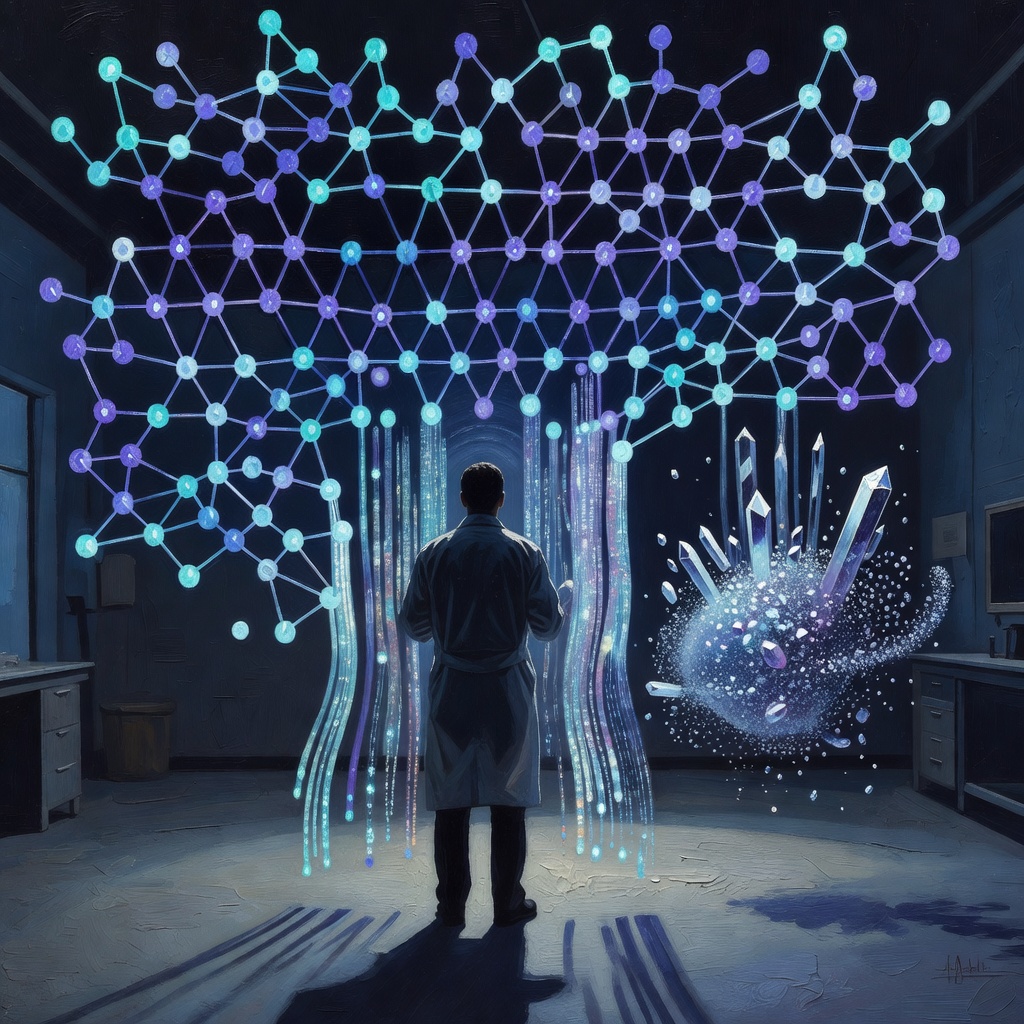 Anthropic CEO Amodei just declared AI turns drug discovery into scalable pattern-matchingAnthropic launched Claude Science, an internal drug discovery program, on June 30 — but AI drug discovery has logged $60 billion invested, 175 programs in trials, and zero FDA approvals. Pattern-matching accelerates candidate selection; it does not shorten the 10-to-15-year clinical gauntlet. Discovery was never the bottleneck.