Topic · 26 episodes
Longevity
Longevity research is pulling in three directions at once: experimental interventions racing ahead of regulation, exercise science offering quietly dramatic results, and cellular biology revealing that aging is more fragmented than a single number can capture. Minicircle's offshore klotho gene therapy, a 30-year Harvard strength-training study, and a Nature Medicine analysis of 60,000 people's cell-aging rates together map the genuine tensions shaping how long — and how well — we live.
Frequently asked
Does strength training actually help you live longer?
A 30-year Harvard study of roughly 150,000 adults found that 90–120 minutes of weekly strength training is linked to 13% lower all-cause mortality and 19% lower cardiovascular mortality. Adding 150 minutes of aerobic exercise pushes that association to 45% lower overall mortality — and a 27% lower dementia risk.
What is klotho gene therapy and is it safe?
Klotho gene therapy, offered by US biotech Minicircle in Honduras, the Bahamas, and Panama, is unapproved and unproven in humans. The only supporting data is a single 2025 mouse study showing 15–20% lifespan extension — never replicated in humans — and no clinical trial data exists.
Why is Minicircle offering gene therapy outside the US?
Minicircle operates in Honduras, the Bahamas, and Panama specifically to sidestep FDA oversight. Because the therapy is unapproved in the US and supported only by unreplicated animal data, conducting it domestically would not be permissible under current FDA rules.
Do different cells in your body age at different rates?
Yes. A Nature Medicine study of 60,000 people found that neurons, immune cells, and muscle cells age on entirely separate timelines. Around 20–25% of people are aging faster than their chronological age in at least one cell type, with disease-predictive signals appearing up to 15 years before diagnosis.
Is a single biological age number a reliable measure of how fast you're aging?
Not according to a Nature Medicine study of 60,000 people. Because different cell types — neurons, immune cells, muscle cells — age on independent timelines, collapsing everything into one biological age score obscures meaningful variation and can miss early warning signals for disease.
Episodes
 Nine distinct types of cellular damage drive aging — here's how they interactThree drugs targeting different aging mechanisms produced a 454% lifespan extension in animal studies — versus 20% for any single drug alone. That non-linear jump reflects how the nine (now twelve) hallmarks of aging, first mapped by López-Otín, Partridge, and Serrano in Cell in 2013, form a self-amplifying feedback system, not a flat list of independent problems.
 Researchers say humans could live up to 194 years—here's what that claim actually meansA 2026 Skoltech study (Efimov et al., npj Aging) models the maximum human lifespan at 146–194 years — but only if every reversible hallmark of aging is eliminated. The true biological ceiling is somatic DNA mutations accumulating in heart muscle cells and neurons, which never self-replace and can't be fixed by current tools.
 Scientists just uncovered a surprising link between gut microbes and the aging process itselfA University of Hawaiʻi Mānoa study found gut microbial patterns explain 15% of the variation in DunedinPACE — a biomarker measuring aging speed, not static biological age — in 123 people. The microbiome predicted aging rate but showed zero signal for older epigenetic clocks, pointing to a specific and still-unexplained biological link.
 New review of 350 studies says eating less protein could slow aging—contradicting decades of conventional health wisdomA July 2026 review of 350+ studies by University of Wisconsin–Madison pathologist Dudley Lamming found protein restriction may slow aging — but primarily in sedentary individuals, via mTOR suppression and FGF21 upregulation. A competing 20-year study of 5,203 Chinese adults found vegetarians were nearly 30% less likely to reach 100.
 How removing senescent cells might reduce chronic disease burdenSenescent cells accumulate with age and emit inflammatory signals — IL-6, TGF-β, MMPs — that drive chronic disease. The senolytic drug Dasatinib, validated at Mayo Clinic's Kogod Center, clears these cells selectively, but human trials show only incremental gains, likely because the immune system that should remove senescent cells is itself failing.
 Why natural selection made us age — the cost of reproductive fitnessGeorge Williams proposed in 1957 that natural selection actively maintains alleles causing aging because they deliver early reproductive benefits — not merely failing to remove them. Sixty-seven years later, which specific human alleles do this work remains mostly unidentified, and the unified theoretical framework reconciling competing models was only proposed in a 2024 PLOS Biology paper.
 How mTOR promotes growth and AMPK promotes repair — and why both mattermTOR and AMPK operate as a mutual veto: when mTOR drives growth, it actively blocks AMPK-triggered repair (autophagy) via the same ULK1 switch — and vice versa. Cycling between the two, through fasting or exercise, is mechanistically distinct from chronic suppression of either pathway, and that distinction determines whether the outcome is beneficial or harmful.
 The caloric restriction paradox — less food, longer life, across speciesCaloric restriction extends lifespan 50–300% in yeast and nematodes but only an estimated 1–5 years in primates — and two rigorous rhesus monkey studies reached opposite conclusions. The mechanism is real and ancient (mTORC1, AMPK, sirtuins firing simultaneously), but the effect shrinks dramatically as species lifespan increases.
 Why aging isn't programmed — it's the result of damage that outpaces repairAging is not genetically programmed to fail — it results from damage accumulating faster than repair systems can keep up. Natural selection never built cells to last beyond reproductive age, so DNA mutations, telomere shortening, mitochondrial dysfunction, and senescent cell buildup compound unchecked. Senescent cells alone can reach 10–15% of aged tissue.
 Why chronological age is misleading — the epigenetic clock mechanismSteve Horvath's 2013 epigenetic clock identified 353 CpG sites — drawn from millions in the genome — that estimate biological age across every tissue type from a single model. A 40-year-old with accelerated epigenetic aging can carry higher mortality risk than a 60-year-old without it, but whether methylation drift causes aging or merely reflects it remains unresolved.
 Scientists spent 55 years studying centenarians—here's what the long-term data actually showsA 55-year review of 124 centenarian studies found no universal formula for living to 100. Centenarians don't age more slowly — they delay cardiovascular disease and cancer by 15 to 20 years. The genetic architecture involves 281 markers, and no behavioral intervention has been tested in a randomized controlled trial.
 Biohacking and anti-aging science raise hopes—but ABC News asks: what's hype and what actually works?A 2026 GeroScience study tested eleven popular longevity compounds—including astaxanthin and alpha-ketoglutarate—and none extended lifespan in rigorous animal trials. The one compound with strong evidence, rapamycin, is an immunosuppressant debated for use in healthy people. The longevity industry's business model depends on marketing ahead of finished science.
 Serial entrepreneur Diamandis says consistent eating, sleep, exercise buys time for breakthroughsPeter Diamandis's Longevity Guidebook argues lifestyle — sleep, diet, exercise, mindset — governs up to 70% of aging, but his personal protocol includes rapamycin, GLP-1 drugs, and $500/month in supplements. The gap between the public four-pillar message and his private stack is the real tension in longevity democratization.
 The exponential law of aging — why Gompertz's 200-year-old curve still predictsThe Gompertz law of mortality — discovered by actuary Benjamin Gompertz in 1825 — shows human mortality risk doubles every 7–9 years after adulthood. Two centuries of medicine have not bent that exponential slope, only shifted it. Bending it requires targeting multiple aging pathways simultaneously, and no intervention has demonstrated this in humans.
 Life expectancy trends in the UK may be reaching a turning point — threatening pension schemesEngland and Wales recorded the lowest all-age death rates ever in 2025, but UK pension schemes face a liability crisis — not from the biology alone, but because actuaries at Isio publicly dispute the CMI's calibration of a single parameter inside the industry's standard mortality model, producing materially different life expectancy outputs from the same data.
 New research: just two hours of strength training per week may help you live longerA 147,000-person, 30-year Harvard study found that 90–120 minutes of resistance training per week is associated with a 13% lower risk of all-cause mortality and a 27% lower risk of dying from neurological disease. Crucially, more training beyond that threshold added no further benefit — the curve plateaus.
 Why aging accelerates — the nine biological mechanisms that feed each otherAging accelerates because its nine biological hallmarks form a self-amplifying feedback network, not a simple list of independent failures. A landmark 2013 Cell paper by López-Otín and colleagues established this framework: genomic instability drives senescence, senescent cells leak inflammatory SASP signals, those signals worsen mitochondrial dysfunction, and dysfunctional mitochondria generate more DNA damage — closing the loop.
 New survey: nearly one-third of Americans aspire to extreme longevity—what's driving the shift?Surveys show 29% to 77% of Americans want to reach 100, with the average ideal lifespan at 91 versus a current life expectancy of 78. Yet over 40% of Americans under 65 doubt they can afford extreme longevity, and U.S. retirement infrastructure was never designed for a quadrupled centenarian population.
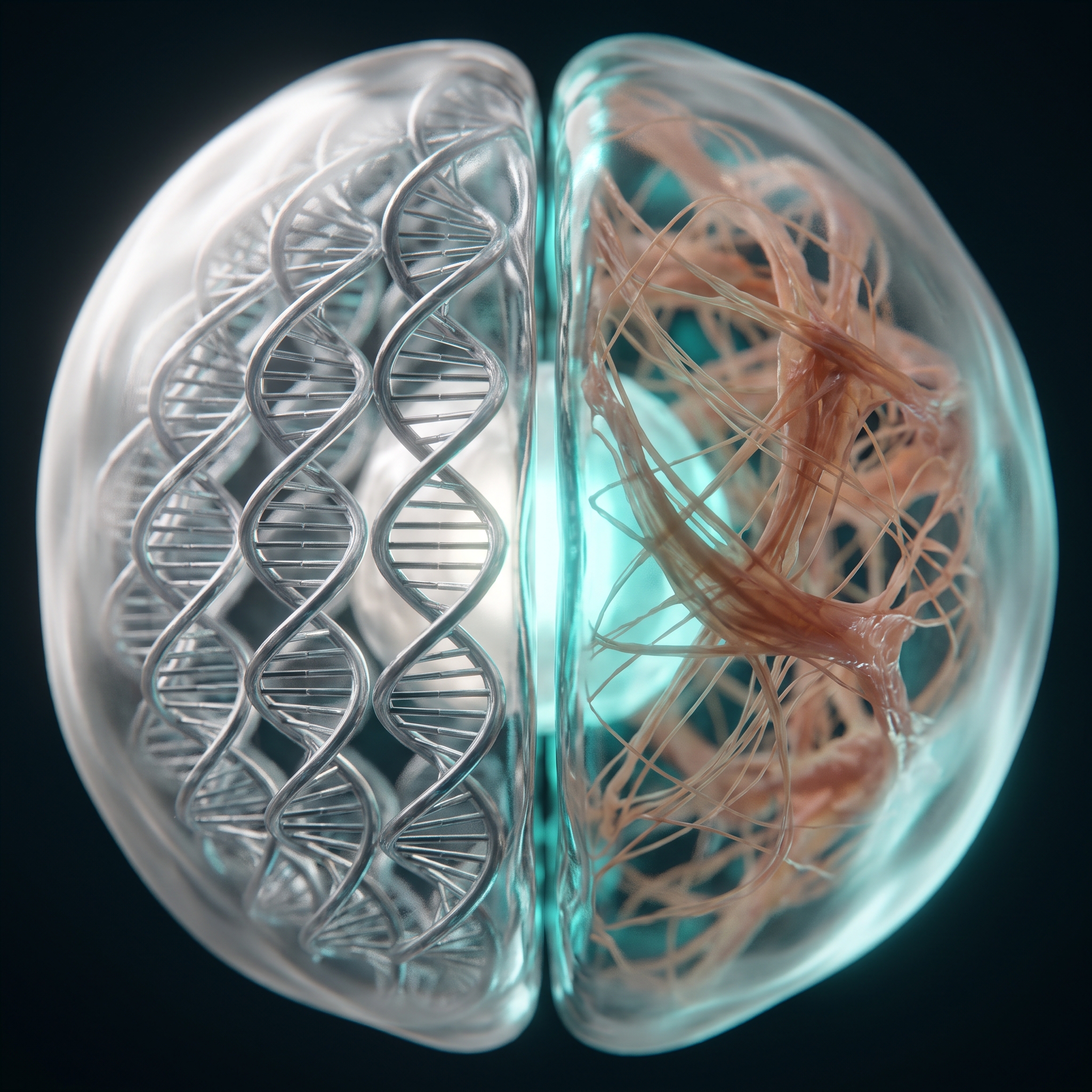 New study shows genetics accounts for 50% of reaching 100—but what about the other half?A 2026 Boston University metabolomics study screened over 1,400 blood compounds in centenarians and found elevated bile acids — gut microbiome outputs, not purely genetic ones — as the strongest longevity signal. Meanwhile, genetics accounts for roughly 50% of reaching 100, but only when accidental deaths are excluded, making that figure narrower than it first appears.
 A Ben-Gurion University study says stepping speed may predict survival—not age or illness countA Ben-Gurion University study tracked 120 older adults for up to 17 years and found that every 100-millisecond increase in step initiation time raised mortality risk by 28%—outperforming chronological age and chronic illness count as survival predictors. The strongest signal came from a dual-task version of the test combining movement and cognitive load.
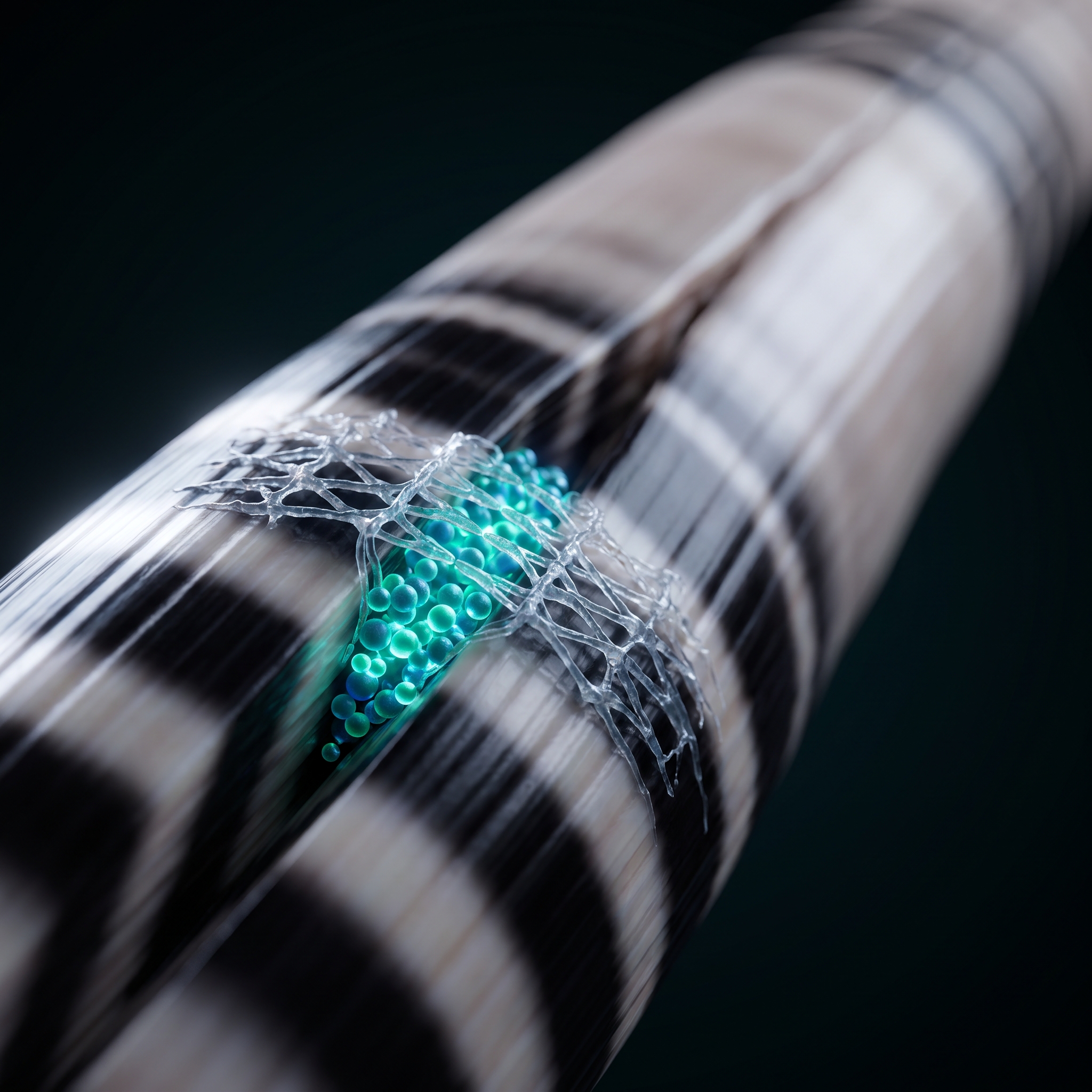 UCLA researchers found the protein brake that slows muscle repair with age—and it has a hidden costUCLA researchers identified NDRG1, a protein found at 3.5× higher levels in aged muscle stem cells, as the molecular brake slowing muscle repair with age. Blocking NDRG1 in mice restored youthful repair speed — but depleted the long-term satellite cell pool, revealing a fundamental regeneration-versus-preservation tradeoff.
 Longevity experts say this diet habit beats counting calories for living longerA December 2025 BMC Public Health prospective cohort study found adherence to dietary patterns — Mediterranean, DASH, AHEI — predicted extended life expectancy and healthspan, with speakers arguing that food quality, not caloric targets, is the primary variable. Sardinian centenarians likely ate above recommended calories yet lived past 100, never encountering ultra-processed food.
 Millennials and Gen Z are aging faster than their parents' generation—new study reveals whyPeople born between 1965 and 1974 are biologically 23% of one standard deviation older than people born 1950–1954 at the same chronological age, according to a June 2026 Nature Medicine study of 154,169 UK Biobank adults. That accelerated aging correlates with an 8–15% higher risk of early-onset solid cancers.
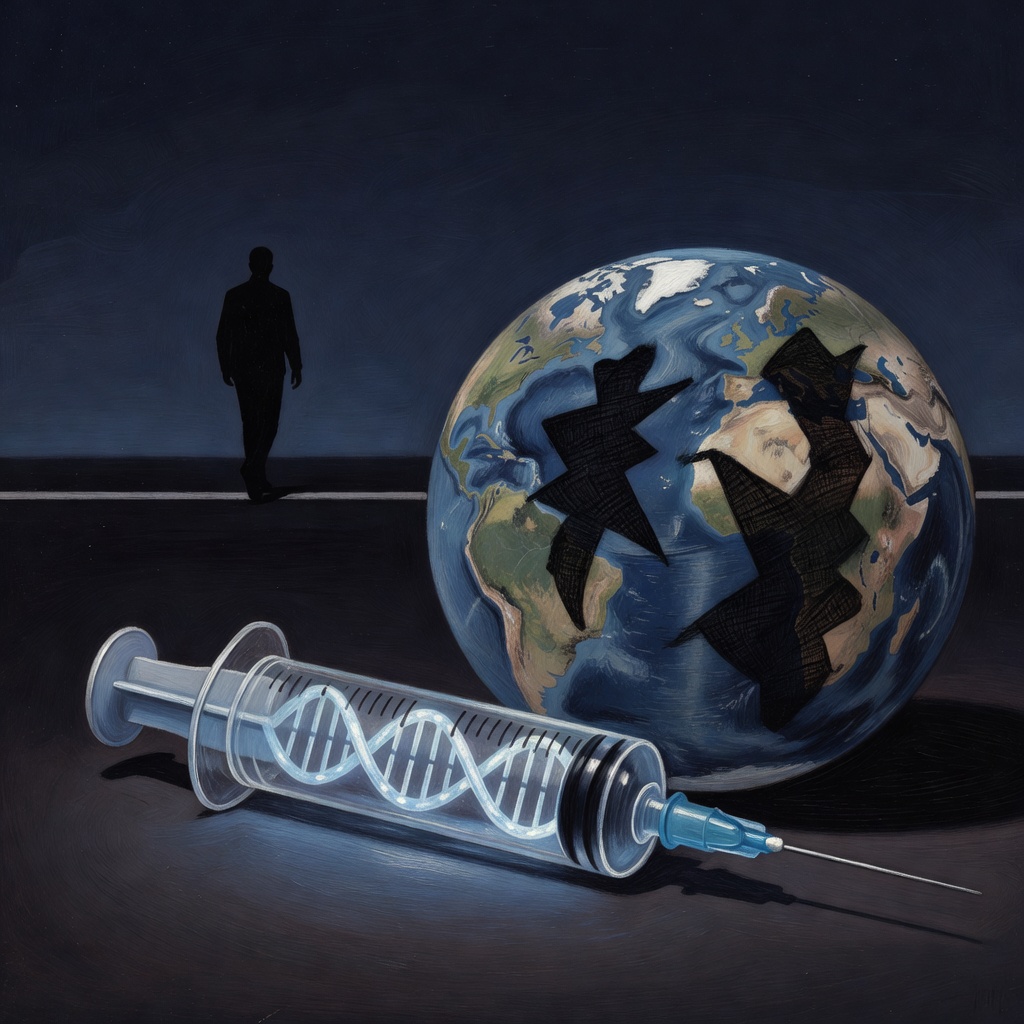 A US company is selling unapproved klotho gene therapy overseas to sidestep FDA rulesMinicircle, a US biotech, is offering an unapproved klotho gene therapy in Honduras, the Bahamas, and Panama to bypass FDA oversight. The only supporting animal data — one 2025 study showing 15–20% lifespan extension in mice — has never been replicated in humans, and no clinical trial data exists.
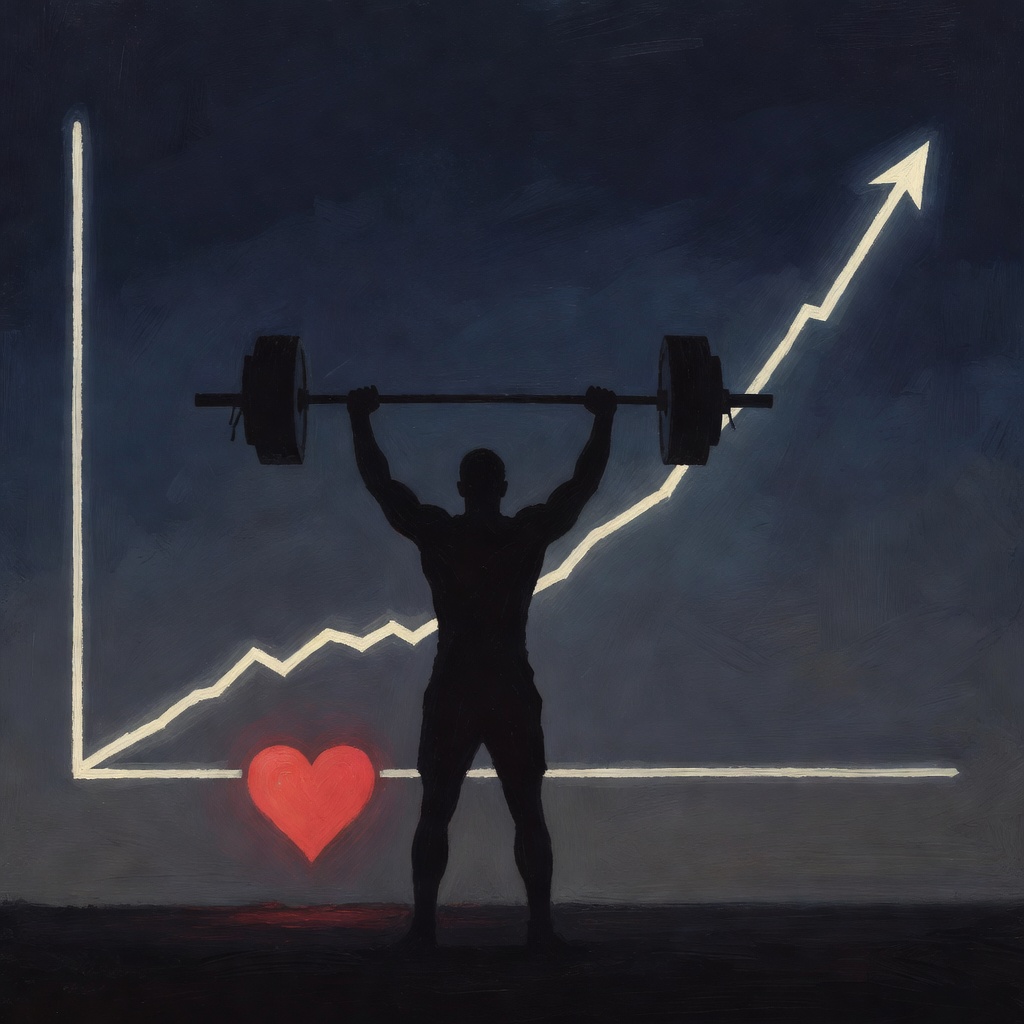 A 30-year study links weightlifting directly to longer lifespans—here's what the data showsA 30-year Harvard study of ~150,000 adults found that 90–120 minutes of weekly strength training is linked to 13% lower all-cause mortality and 19% lower cardiovascular mortality. Combined with 150 minutes of aerobic exercise, the association reaches 45% lower overall mortality. The neurological finding — 27% lower dementia risk — is striking but least mechanistically supported.
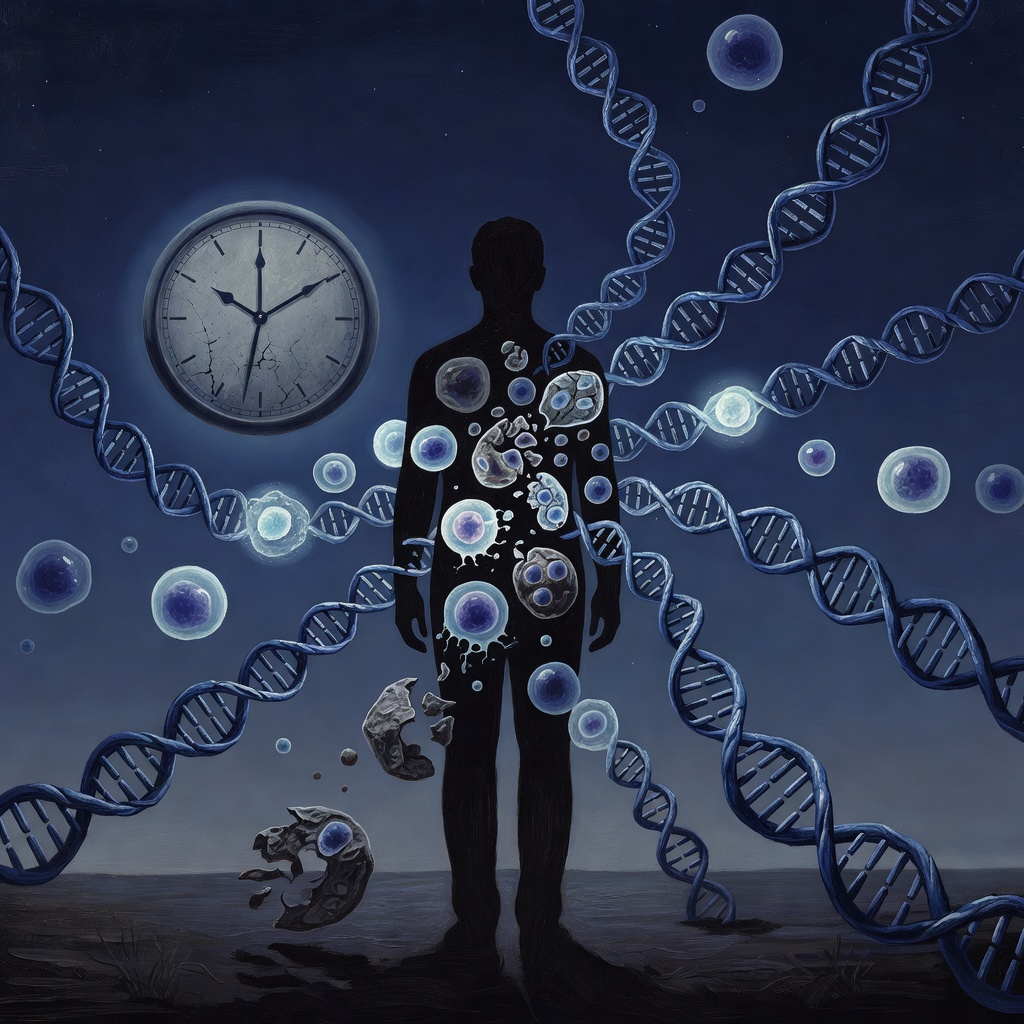 Your Cells Age at Different SpeedsA Nature Medicine study of 60,000 people found that 20–25% are aging faster than their chronological age in at least one cell type — with disease-predictive signals appearing up to 15 years before diagnosis. Neurons, immune cells, and muscle cells age on entirely separate timelines, making a single biological age number misleading.