Topic · 5 episodes
Television
Every Onpode episode on Television.
Episodes
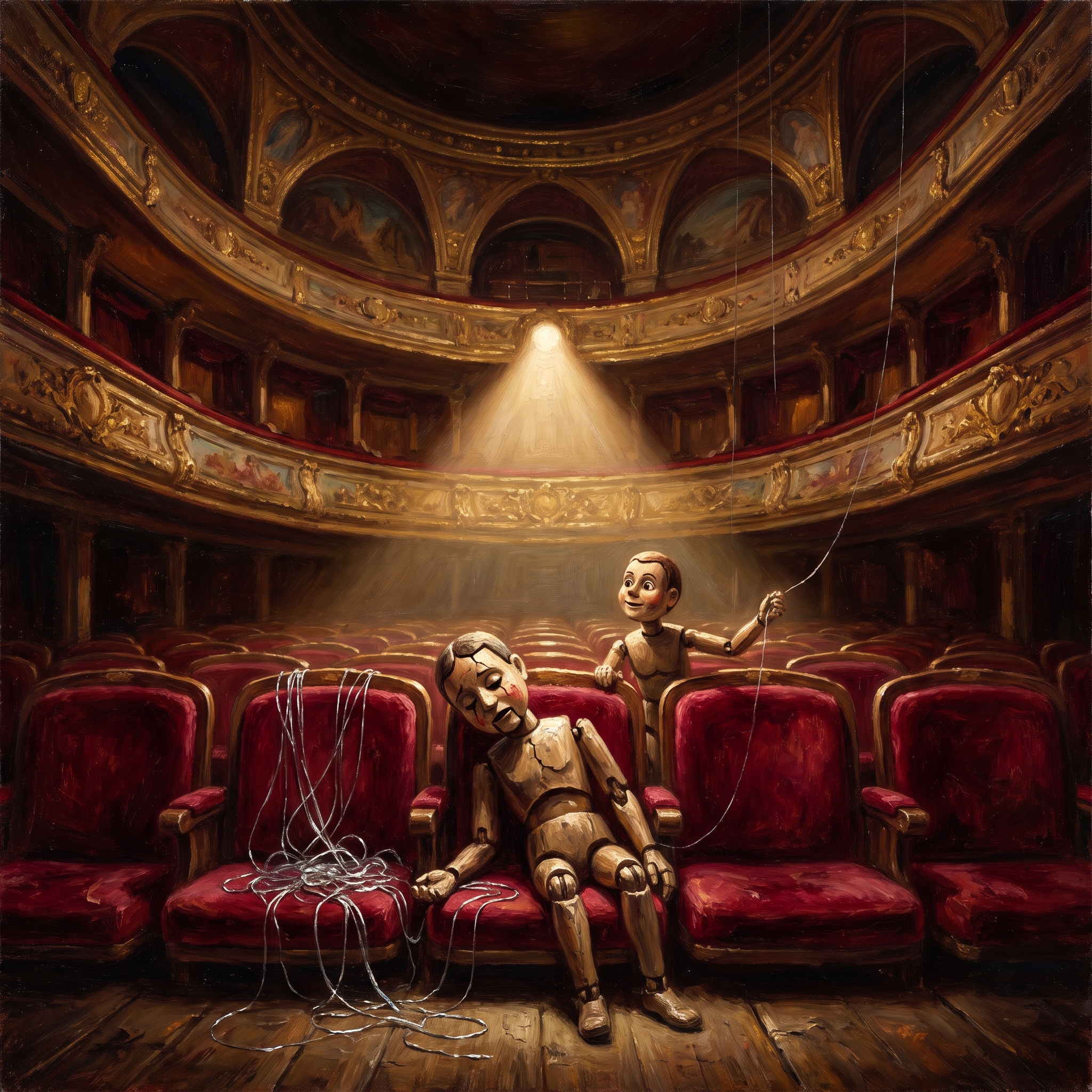 From one-off stories to ongoing characters — why TV stopped starting over each weekEarly TV anthologies like Kraft Television Theatre (1947) featured entirely different characters each week — by design. Advertisers, not audiences, killed the format: sponsors found moral ambiguity bad for branding. But the serialized shows that replaced anthologies syndicated worse, making the switch an irony networks didn't price in until too late.
 Thirty percent of large-screen ad budgets now go to Connected TV — a rapid normalization across 2026 media mixesConnected TV now captures roughly 30% of large-screen ad budgets among leading advertisers — up from below 10% three to four years ago — driven by outcome-based measurement. But privacy regulation is actively degrading the match rates that justify those budgets, while consolidation risks rebuilding the bundled, opaque inventory model advertisers fled from linear TV.
 Traditional TV upfront ad dollars keep falling while streaming platforms gain — and networks are racing to catch upThe 2026 TV upfront market grew 9.1% to $33.8 billion, yet Warner Bros. Discovery's ad revenue fell 22% and Paramount's dropped 9% in Q2. Streaming upfront commitments rose 17.9%, but without disclosed CPM data, it remains unclear whether streaming is replacing linear economics or simply selling more inventory at lower rates.
 Governor Newsom unveiled nine reboots, sequels, and dramas as California's tax credit program enters year twoCalifornia Governor Newsom allocated $21 million to Ascent and $16.3 million to a Clueless sequel in Year 2 of Program 4.0 — before either production starts in 2027. Year 1's $6.6 billion economic impact figure comes solely from the California Film Commission, with no independent audit, and no clawback mechanism exists if crew projections fall short.
 Why serialized shows changed how audiences watch — and what they sacrificeSerialized TV's dominance over episodic formats was driven by business structure, not creative merit. HBO's subscription model eliminated syndication costs in the late 1990s, giving shows like The Sopranos and The Wire room for narrative complexity. Streaming then removed the weekly wait — the very mechanism that made serialization gripping.