Megan Skiendel: I've been thinking about Dan Bishop. Because Duncan is replacing him — nominated late April — and nobody's asking why Bishop's out.
Zara Reyes: Wait, hold on — I want to get to that but can we start with what Duncan actually said at the Budget Committee hearing on the 16th? Because that quote is—
Zara Reyes: He told the Senate Budget Committee — Lindsey Graham's committee — that he 'can't commit to any of the fiscal tools the administration may or may not use in the future.' Pocket rescissions specifically on the table. Which — okay, a pocket rescission is when you submit the rescission request to Congress fewer than 45 days before fiscal year end so the Impoundment Control Act's 45-day review window can't actually run. The money expires. Done.
Megan Skiendel: Appropriated money. Gone without a vote.
Zara Reyes: And Patty Murray is sitting there, calling it — she basically said he'd be a rubberstamp for Vought. Which, lowkey, is the Democrats signaling they already know they can't stop this confirmation.
Megan Skiendel: Frankly, Murray's right to flag it. But the rubberstamp framing — that's also Democrats buying themselves a told-you-so when the rescissions land. It's protective positioning.
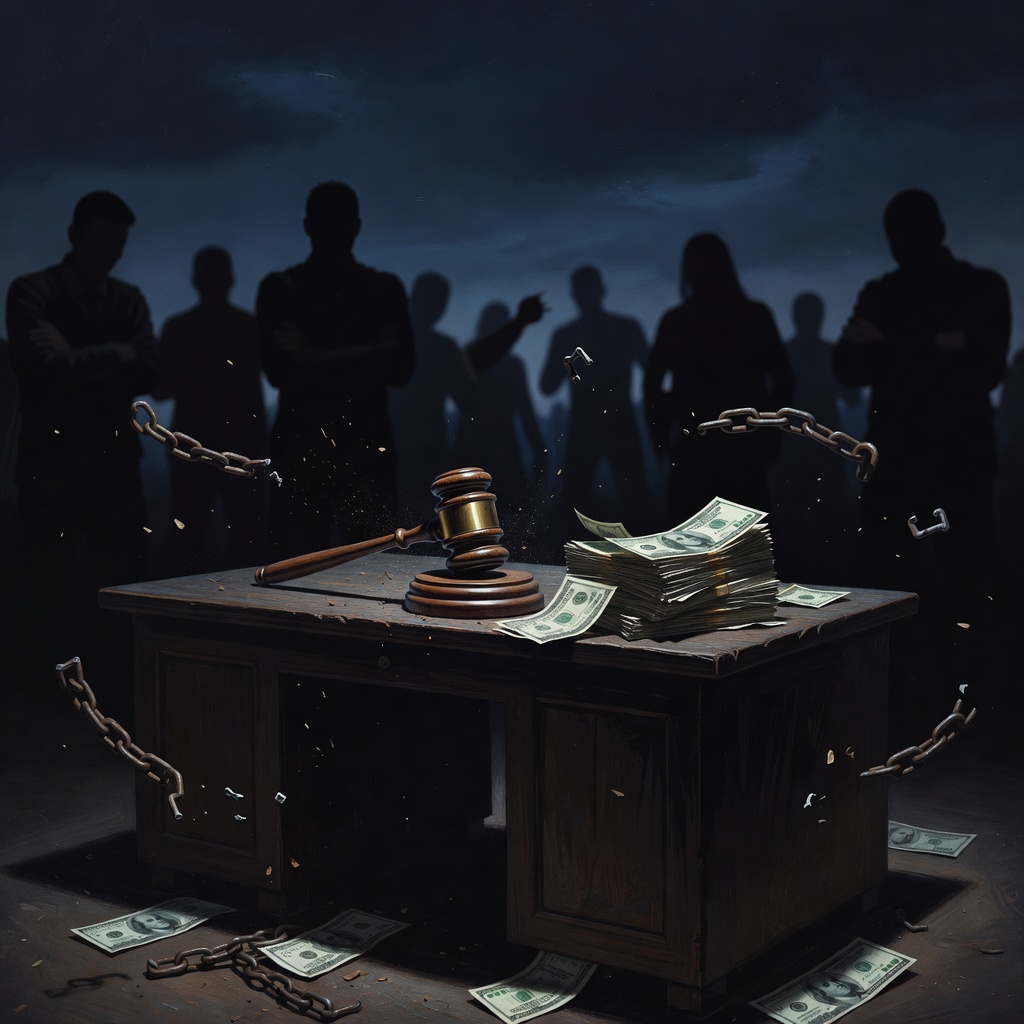
Megan Skiendel: But here's what I want people to actually hear — Duncan's hearing is not the news. The news already happened. The Trump White House cancelled $4.9 billion in foreign aid without a Congressional vote. Pocket rescission. Done. Last year.
Zara Reyes: And the Supreme Court let it stand.
Megan Skiendel: Permitted much of it, fall 2025 — while explicitly not settling the constitutional question. Which is — I mean, that's the administration's air cover right there. The Court flinched and moved on. Russell Vought has already said publicly the ICA's constraints are unconstitutional. That's the stated position. Duncan's non-answer at the hearing is downstream of a decision that was already made.
Zara Reyes: Okay but wait — no but the Rescissions Act of 2025 wrinkle is actually — they also proved they can win inside the process. July 24th, Trump signs $9.4 billion in cancellations, first successful ICA rescission since 1992. Public broadcasting funds, foreign aid. That went through Congress.
Megan Skiendel: Exactly. They ran both tracks simultaneously. Which — look, Duncan cited Ford administration precedent at the hearing like it's ancient and harmless. Ford pocket-rescissioned agriculture funding in 1975. Congress didn't stop him because they weren't watching. The difference now? They're watching. And they're still not stopping it.
Zara Reyes: That's — yeah. The Center on Budget and Policy Priorities is publishing analysis saying it's illegal under the ICA and it genuinely does not matter.
Zara Reyes: No but — the wrong read I keep seeing is that Duncan was just doing standard nominee hedging. 'Can't commit to fiscal tools' as like, boilerplate confirmation-hearing caution. That's the take circulating and it's — it misses what's actually happening.
Megan Skiendel: I've watched a hundred nominees hedge. Make the case.
Zara Reyes: Because Vought has already declared the ICA unconstitutional — that's the stated OMB position — and then separately, June 1st, Axios reports Vought is proposing a full overhaul of federal grantmaking, shifting authority away from research agencies and Congress entirely. Stand Up for Science called it 'an unprecedented power grab.' Duncan's non-answer on June 16th isn't hedging, it's — wait, actually — it's the administration signaling through the nominee. Manufacturing permission through ambiguity.
Megan Skiendel: The grantmaking overhaul is the sleeper story. Honestly. The rescission mechanics get all the oxygen but Vought restructuring who controls grant authority — that's institutional capture, not a one-time cut.
Zara Reyes: And the cost isn't abstract. Like — a research university deploys staff around an NIH grant, three months of lab setup, new hires, and then it gets pocket-rescinded mid-fiscal-year. Not next budget cycle. This year. Researchers laid off. That's Schumer's 'affront to the bipartisan appropriations process' made into a person's Tuesday.
Megan Skiendel: And Senate Republicans chair both confirmation committees — the Budget Committee, Homeland Security on the 17th — and some of them objected to the foreign aid cancellations. That institutional split is real. Whether it matters is a different question.
Megan Skiendel: Look, here's where I keep landing — and I don't have a clean answer — if the fiscal year closes without a pocket rescission, was the Duncan hearing just anticipatory theater? Like, did we watch a confirmation hearing about a power the administration decided not to use yet? Maybe. But if one lands — and I mean, the Supreme Court already didn't stop the $4.9 billion — the question isn't legality anymore. The legal gray zone is live, the Court's not settling it. The real question is whether Congress has the institutional will to actually amend the ICA. Which means — does Lindsey Graham's caucus fracture enough to move a statute? Because some of those Republicans hated the foreign aid cut. But hating the process and changing the law are very different things.
Zara Reyes: No but — I think the administration already answered that question. Duncan's 'I can't commit' wasn't uncertainty. That was the tell. They've run the math on Congressional will and they like their number.
Megan Skiendel: So the real question isn't what Hal Duncan does at OMB. It's whether Senate Republicans decide the process matters enough to fight the people they mostly agree with on the substance. And honestly — I don't know. Nobody does.