Topic · 53 episodes
Health
Health in 2024 is being reshaped by precision medicine across several fronts. Onpode's coverage spans gene therapy for hereditary angioedema, a non-hormonal menopause treatment reducing hot flashes and mood symptoms, an oral GLP-1 pill delivering meaningful weight loss and blood sugar control, and the FDA's first targeted approval for PTEN-deficient prostate cancer. The through-line: treatments engineered for defined patient populations.
Frequently asked
What are the Phase 3 results for Intellia's lonvo-z gene therapy?
Intellia's lonvo-z posted strong Phase 3 results for hereditary angioedema treatment. The data marked a significant milestone for gene therapy in this rare genetic condition, suggesting lonvo-z could offer a durable intervention for patients managing hereditary angioedema.
Is there a menopause treatment that works without hormones?
A non-hormonal menopause treatment has shown in trials that it can reduce hot flashes, anxiety, and depression without the risks associated with hormone replacement therapy. This offers a meaningful alternative for people who cannot or prefer not to use HRT.
Can a pill replace injectable GLP-1 drugs for diabetes and weight loss?
A new GLP-1 diabetes pill has achieved significant weight loss and blood sugar control in clinical trials, suggesting an effective oral pill could be a viable alternative to injectable GLP-1 therapies for patients managing type 2 diabetes and obesity.
What is AstraZeneca's Truqap and what did the FDA approve it for?
AstraZeneca's Truqap received FDA approval as the first and only targeted treatment for PTEN-deficient prostate cancer. This approval represents a precision oncology advance, giving clinicians a specifically indicated option for a prostate cancer subgroup defined by PTEN loss.
Episodes
 How dose-response curves explain why medicine and poison are dose apartDose-response curves explain why aspirin relieves pain at 500 mg but becomes toxic above roughly 150 mg per kilogram of body weight — same molecule, different dose. Paracelsus established this principle in the 1500s; today, the EC50 metric and therapeutic drug monitoring translate it into clinical practice, but individual variation means population averages often mislead.
 Why orphan drugs move fast but common diseases move slow — the incentive structureMore than half of recent FDA approvals are orphan drugs — yet roughly 9,000 of 10,000 rare diseases still have no approved treatment. The Orphan Drug Act of 1983 corrected a real market failure, but its incentives (seven-year exclusivity, tax credits, fee waivers) select for commercially tractable diseases, not greatest unmet need.
 Why health systems excel at saving acute crises but struggle with lifelong conditions90% of U.S. healthcare spending — $5.3 trillion annually — goes to chronic and mental health conditions, yet the system is built to reward acute interventions. Prevention generates no billing code, no discharge note, and no attributable outcome, so clinicians and drug developers alike are structurally pushed away from the conditions causing the most harm.
 Why vaccines protect people who don't get vaccinated — the math of herd immunityHerd immunity protects unvaccinated individuals by breaking transmission chains once enough people are immune. The required threshold is calculated as 1 − 1/R₀: measles needs 92–95% coverage because its R₀ reaches 18, while seasonal flu's threshold can fall below 30% because its R₀ barely exceeds 1.
 Why placebos change pain signals — the neurobiology of expectationPlacebos relieve pain through measurable neurobiology: anticipatory expectation triggers real endorphin release via the same opioid pathways as morphine, and fMRI shows the anterior cingulate cortex going quiet. Even in open-label trials — where patients know the pill is inert — the effect holds, because conditioned nervous-system reflexes run below conscious thought.
 Novartis pelacarsen lowered Lp(a) levels in 8,323 patients—but didn't reduce cardiovascular eventsPelacarsen reduced Lp(a) levels by up to 80% in 8,323 patients with established cardiovascular disease — but failed to reduce heart attacks or strokes compared to placebo in the Lp(a)HORIZON Phase 3 trial, raising the question of whether lowering Lp(a) late in disease is simply too late.
 New screening advances target the 1-in-8 lifetime risk of prostate cancer diagnosisProstate cancer carries a 1-in-8 lifetime diagnosis risk for men in the U.S., with 333,830 new cases projected in 2026. PSA-based screening prevents roughly 2 deaths per 1,000 men screened, but the central challenge is distinguishing aggressive cancers from indolent ones before biopsy — the goal driving mpMRI, ClarityDX, and updated 2026 AUA/SUO guidelines.
 Bill Ackman's daughter regained sight using first-of-its-kind cell transfer from her own legIn May 2026, Lucy Ackman, 26, became the first person to receive mitochondria transplanted into human eyes — cells extracted from her own leg muscle and injected into both eyes at Mount Sinai. She perceived shapes and shadows for four weeks before the effect faded. The case remains an unreviewed preprint as of August 10, 2026.
 FDA just cleared three breakthrough drugs—for rare neurological disease, ADHD, and breast cancerThe FDA approved three breakthrough drugs in 48 hours — Zanvastro (zilganersen) for Alexander disease, the first-ever disease-modifying treatment for a condition affecting fewer than one in a million people, trialed in just 54 patients; Simtriyo for ADHD via a new mechanism; and Etcamah for breast cancer, the first cancer drug approved using liquid biopsy data alone.
 How randomization breaks the causation-correlation problem in medical evidenceRandomization in medical trials breaks the causation-correlation problem by distributing unknown confounders equally across groups — a method traced to Austin Bradford Hill's 1948 MRC streptomycin trial and Ronald Fisher's agricultural experiments. But the guarantee only holds when participants comply and the trial population matches the real-world patient.
 Why medicine excels at antibiotics but struggles with obesity and diabetesInfectious disease mortality in the United States fell from 797 to 36 per 100,000 between 1900 and 1980 — a collapse medicine largely credited to drugs. That attribution shaped an entire institutional logic — one pathogen, one drug, one endpoint — that medicine now applies to obesity and type 2 diabetes, diseases with no single pathogen and no moment of cure.
 Before germ theory, medicine was intuition — how Pasteur and Koch changed everythingGerm theory won in the mid-1800s not because it was the most complete truth, but because it was the most solvable story medicine had ever had. Koch's postulates identified one microbe per disease by 1883 — yet today 70% of disease burden in developed countries is chronic and noncommunicable, with no pathogen to blame.
 The structural economics of treatment vs prevention — why cures fund research better than prevention doesPrevention routinely outperforms treatment on cost-effectiveness — breast cancer screening costs roughly $552 per life year saved versus up to $163,000 for treatment — yet every institutional incentive, from fee-for-service billing to insurer churn to patent law, rewards visible, attributable treatment over statistical non-events no ledger can record.
 Why placebos trigger real physiological changes — the neurobiology of expectationPlacebos can reduce pain by 60–80% — comparable to active medication — because the brain's descending pain inhibitory circuit, running from the prefrontal cortex through the brainstem's vlPAG, physically suppresses pain signals when a person expects relief. Classical conditioning, not just conscious belief, also triggers real endogenous opioid release at that site.
 Why every drug is a poison at the wrong dose — the dose-response mechanismEvery substance — including water — follows a dose-response curve: six liters consumed rapidly can cause lethal hyponatremia. The critical number in clinical medicine is the therapeutic window, the gap between ED50 and LD50. For narrow-window substances like Aconitum, milligrams separate a therapeutic dose from cardiac arrest.
 Eli Lilly's next-gen weight-loss drug hit 30% weight loss and unexpectedly improved blood pressure, lipids, and sleep apnea tooEli Lilly's retatrutide posted 'up to approximately 30%' body weight loss in the Phase 3 TRIUMPH trial — but that figure is a ceiling, not an average. Phase 2 mean was 24%. A BLA filing is planned for Q1 2027, with FDA approval and real patient access unlikely before late 2028 at the earliest.
 When conventional medicine stopped working, one patient chose toad venom—here's why she broke with Western treatmentSly Young, a Black neurodivergent woman with chronic PTSD, turned to 5-MeO-DMT — a psychoactive compound secreted by the Bufo alvarius toad — after COVID disrupted her conventional treatment. Her decision stemmed from provider discrimination, a cult upbringing, pharmaceutical fears, and a multi-generational family lineage of traditional healing.
 Revolution Medicines' new oral KRAS pill nearly doubles survival vs chemotherapy for advanced pancreatic cancerDaraxonrasib (brand name Rasonque), FDA-approved August 26 by Revolution Medicines, is the first targeted precision pill for pancreatic cancer. The RASolute 302 Phase 3 trial showed median overall survival of 13.2 months versus 6.7 months on chemotherapy — a 60% reduction in death risk, with no historical precedent for that hazard ratio in second-line pancreatic cancer.
 Eli Lilly's Mounjaro just gained FDA approval to cut heart attack and stroke risk in type 2 diabetesThe FDA expanded Mounjaro's (tirzepatide) label on August 28 to cover cardiovascular risk reduction in type 2 diabetes — but the approval rests on a non-inferiority trial against dulaglutide, not placebo. Tirzepatide cut major cardiac events 12.2% vs. 13.1%, a hazard ratio of 0.92. Whether insurers will pay for it over cheaper dulaglutide remains unresolved.
 Why short-term inflammation heals but long-term inflammation destroys tissueAcute inflammation heals tissue through an active resolution program — lipoxins and other specialized pro-resolving mediators fire within hours to shut the cascade down. Chronic inflammation is not excess inflammation but a failure of that resolution program. The precise reasons it fails, and whether tissue remodeling from long-term inflammation is reversible, remain open scientific questions.
 Why early detection doesn't always improve outcomes — overdiagnosis and false positivesOverdiagnosis — detecting real cancers that would never have caused harm — is structurally unavoidable in cancer screening. Mammography overdiagnoses an estimated 10–30% of screen-detected cases; PSA screening estimates range from 12% to 63%. Better imaging finds more inert abnormalities without improving the ability to distinguish harmless from dangerous ones.
 Confounding variables: why correlation breaks causation in epidemiologyFor roughly twenty years, coffee appeared to raise heart disease risk — until researchers controlled for smoking, a confounding variable, and the finding completely inverted. One unmeasured third variable can reverse an entire conclusion. Residual confounding from unmeasured lifestyle factors means most observational nutrition findings carry irreducible uncertainty.
 Why placebos trigger real biochemical changes — the mechanism behind expectationPlacebo analgesia triggers real endogenous opioid release: Jon Levine's 1978 naloxone reversal study proved the brain's own opioid system fires in response to expectation. A 2025 chemogenetics study confirmed the exact circuit — μ-opioid receptor neurons in the medial prefrontal cortex activating the mPFC–vlPAG descending pathway — intercepting pain before it reaches consciousness.
 FDA just approved the first gene therapy for glycogen storage disease type Ia—a rare disorder with no prior genetic cureOn August 19th, the FDA granted accelerated approval to Genglycos, the first-ever treatment for glycogen storage disease type Ia — a disease managed for decades with raw cornstarch eaten every few hours. The pivotal trial showed a 31% reduction in daily cornstarch intake, but the FDA's surrogate endpoint means clinical benefit is still unconfirmed.
 A widely used ED drug is now linked to an eye disease that causes irreversible vision loss—here's what users need to knowPDE5 inhibitors (Cialis, Viagra) are linked to an adjusted IRR of 1.85 across three bundled eye conditions — serous retinal detachment, ischemic optic neuropathy, and retinal vein occlusion — per a University of British Columbia study. In men with prior heart attacks, a Bayer pilot study found an odds ratio of 10.7 (confidence interval 1.3–95.8), a wide but potentially real signal.
 Semaglutide, the blockbuster slimming jab, is now being tested for alcohol dependency in a £2.7m trialThe UK's £2.7m NIHR-funded CURB trial is testing semaglutide — the drug in Wegovy and Ozempic — as a treatment for alcohol use disorder in patients with BMI over 30 and liver scarring. But fewer than 2% of AUD patients ever use already-approved drugs like naltrexone, raising the real question: does a new drug fix a prescribing problem?
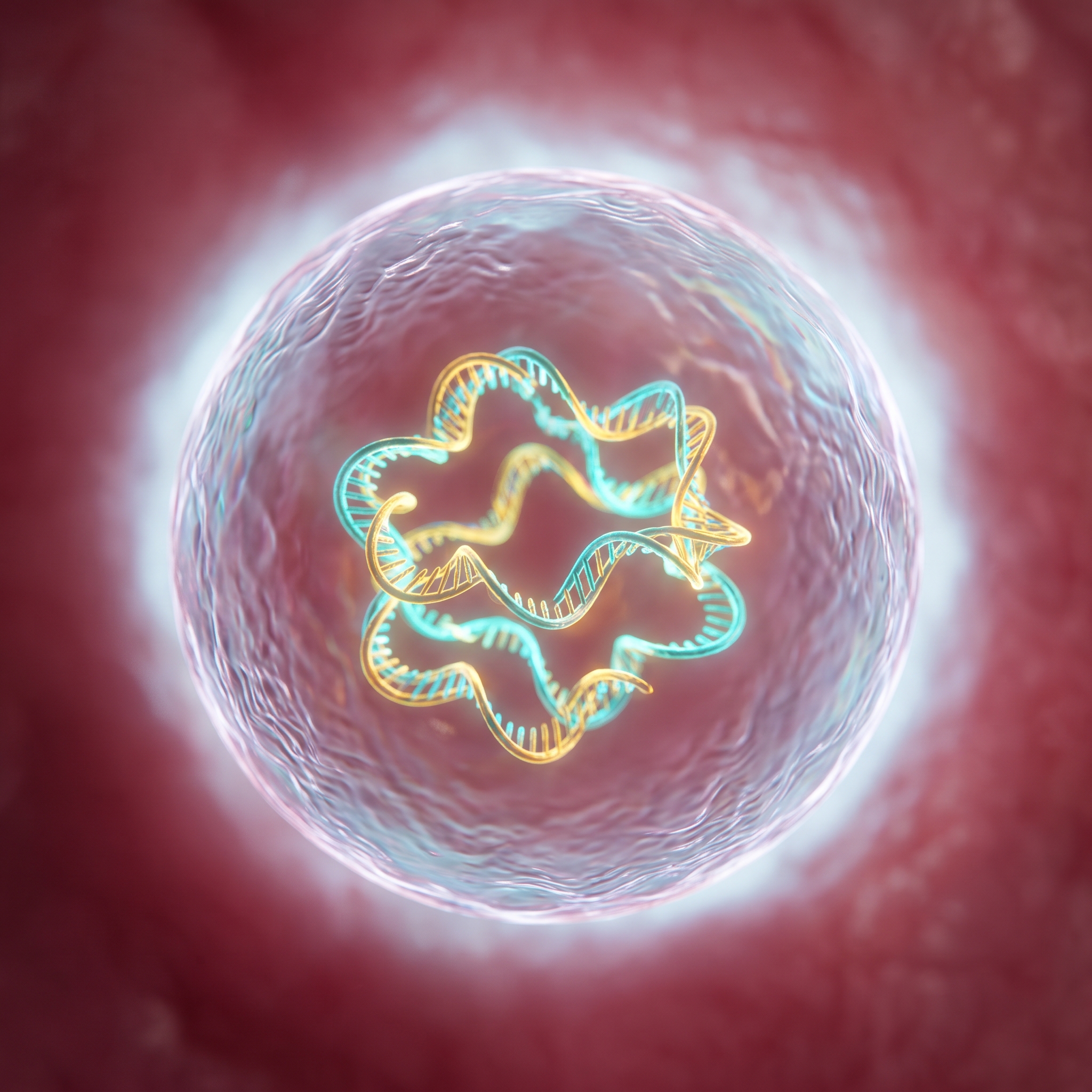 Patients who tested a melanoma mRNA vaccine describe what a breakthrough cancer trial feels likeModerna and Merck's personalized mRNA melanoma vaccine, intismeran autogene, cleared Phase 3 on August 19, 2026 — the first mRNA cancer drug to do so. But the widely cited 44% recurrence reduction is Phase 2 data, Phase 3 results remain unpublished, each dose costs over $100,000, and no other cancer type has cleared Phase 3.
 Screening bias — how finding disease early doesn't always improve outcomesEarly cancer screening can improve outcomes, but lead-time bias, length-biased sampling, and overdiagnosis mean five-year survival rates routinely overstate real benefit. Mammography requires screening over 1,300 women to prevent one breast cancer death, and between negligible and more than one in three screen-detected cancers may never have caused harm.
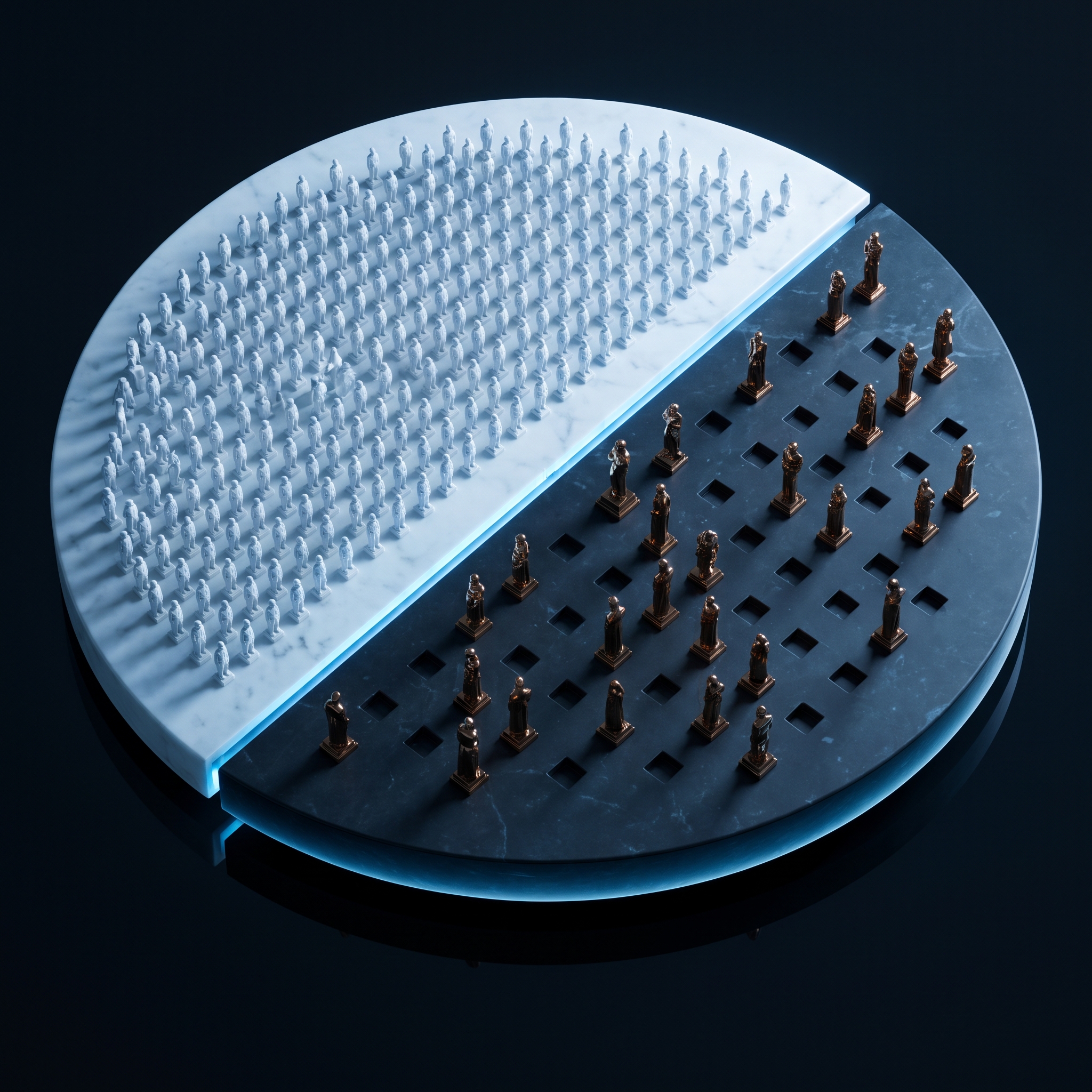 Universal access vs market efficiency — structural tradeoffs in health system designGermany spends 12.8% of GDP on healthcare — the highest share in the EU — yet still rations treatments available elsewhere. No health system simultaneously achieves universal access and market-driven innovation. OECD data confirm no model consistently dominates on all performance indicators; every country is choosing which form of inequality to accept.
 How randomization eliminates bias — the mechanism that makes causation knowableRandomization eliminates confounding by distributing every variable — known and unknown — equally across trial groups by chance, not judgment. But this balance is guaranteed only in expectation across many trials, never in a single trial. That gap between the statistical promise and the one-trial reality medicine actually runs on is the core tension in evidence-based practice.
 Why placebos activate real neural pathways — the mechanism behind expectationPlacebos activate real neural pathways: a 1978 naloxone study proved placebos trigger endogenous opioid release, not mere perception. PET imaging later showed expectation alone produces measurable dopamine in Parkinson's patients' depleted striatum. The effect is chemically real but bounded — prediction-sensitive systems respond; bacterial infections do not.
 Dovato's two-drug regimen matched Biktarvy's three-drug combo in first-of-its-kind HIV treatment study — simpler may work as wellDovato, ViiV Healthcare's two-drug HIV pill, matched Gilead's three-drug Biktarvy in the VOGUE trial — 509 treatment-naïve adults, 48-week non-inferiority met. But Biktarvy holds 52% of the global market, guidelines haven't moved, and Gilead unveiled once-weekly ISL/LEN data at the same conference.
 New research shows financial hardship may age the brain faster — what this means for millions facing economic pressureA UCL study tracking 2,759 people from birth found that persistent financial hardship between ages 26 and 53 is associated with measurable brain atrophy and enlarged ventricles by ages 69–71. Effects were strongest in men, those with childhood disadvantage, and APOE-ε4 carriers — but whether poverty causes the aging or merely marks earlier-loaded risk remains unresolved.
 FDA advisory committee just voted to loosen restrictions on six wellness peptides flagged as serious safety risksAn FDA advisory panel voted 8–6 on July 23–24, 2026, to ease restrictions on six peptides — BPC-157, TB-500, KPV, MOTS-c, epitalon, and semax — despite the agency's own scientists raising safety concerns about all six. The vote is non-binding; FDA still controls the 503A Bulks List and has not yet acted.
 New US cholesterol guidelines may qualify millions more Americans for statins — but eligibility expansion raises questions about who actually needs themThe 2026 ACC/AHA cholesterol guidelines make 87.5 million Americans — 56.6% of adults aged 30–79 — eligible for statins, adding 21.5 million new candidates. But a simultaneous JAMA editorial noted roughly half of those already eligible under 2018 rules weren't taking statins, raising a sequencing problem more than a medical one.
 Why FDA approves drugs on surrogate endpoints before efficacy is provenIn July 2026, the FDA approved two drugs for IgA nephropathy in ten days using opposite evidence standards: Fabhalta (iptacopan) converted to full approval after two-year kidney outcome data; Trutakna (atacicept-vymj) received accelerated approval on a surrogate endpoint, with its label explicitly stating long-term kidney preservation has not been established.
 Seven peptides face FDA review this week, but FDA scientists say there's little evidence they actually work in humansThe FDA's Pharmacy Compounding Advisory Committee is voting July 23–24, 2025 on whether seven peptides — including BPC-157 and TB-500 — can be mass-produced by compounding pharmacies, despite FDA staff scientists finding little to no human safety or efficacy evidence for any of them.
 A daily polypill combining multiple medications just significantly improved cardiac function and cut hospitalizations in heart failure patientsA polypill combining guideline-directed heart failure medications — including metoprolol and lisinopril — cut hospitalizations and ER visits by 60% compared to standard multi-drug therapy in a Nature Medicine study led by Michigan Medicine and UT Southwestern. The gain came from adherence, not new chemistry: patients simply took all their medications.
 FDA just approved Lipfendra, a once-daily pill that cuts bad cholesterol without injectionsLipfendra, FDA-approved July 16, is the first once-daily oral PCSK9 inhibitor cleared in the U.S., cutting LDL by up to 59% in trials. But approval rests on a surrogate endpoint — cardiovascular outcomes data confirming actual heart attack and stroke prevention is still pending.
 Why your immune system tolerates your own cells but attacks invadersThe immune system tolerates its own cells through two layers: central tolerance in the thymus, where the AIRE gene lets thymic cells preview thousands of tissue antigens to delete self-reactive T cells, and peripheral tolerance, where Tregs and checkpoints manage escapees. Some self-reactive cells survive as an apparent trade-off to preserve repertoire breadth, though whether this is a selected feature remains unresolved.
 Nearly half of women don't recognize perimenopause symptoms — what's driving this awareness crisisNearly 42% of women aged 40–44 cannot identify what reproductive stage they are in, according to a Flo Health and Mayo Clinic study of 7,640 women published in the journal Menopause. Perimenopause symptoms — mood swings, cognitive fog, disrupted sleep — are misread as anxiety or depression, leaving a hormonal transition unnamed and untreated for years.
 XRHealth just acquired Swing Therapeutics to build the largest VR-based chronic pain platform — what that means for patientsXRHealth's acquisition of Swing Therapeutics, announced July 15, bundles Stanza — the only FDA De Novo–authorized prescription digital therapeutic for fibromyalgia — with VR headsets, smartwatches, and telehealth. The clinical evidence covers fibromyalgia alone; the marketing targets chronic pain broadly. No deal terms were disclosed, and no trial has tested the full bundle.
 A Merck-partnered ADC just proved it can replace standard chemo in first-line lung cancer treatment — here's what changesSacituzumab tirumotecan (sac-TMT), Kelun-Biotech's TROP2-targeting ADC licensed to Merck for $1.4 billion, beat chemo-immunotherapy in first-line PD-L1-negative non-squamous NSCLC in the OptiTROP-Lung06 Phase 3 trial — but pembrolizumab (Keytruda) remained in both arms, meaning platinum was replaced, not Keytruda.
 Celcuity's Revtorpyk just won FDA approval as the first pan-PI3K/mTOR inhibitor for advanced breast cancerGedatolisib (Revtorpyk) won FDA approval on July 14, 2026 as the first pan-PI3K/mTOR inhibitor for HR+/HER2-negative, PIK3CA wild-type advanced breast cancer — a population representing roughly 60% of HR+/HER2-negative cases that previously had no precision pathway. The VIKTORIA-1 trial showed 9.3 months median PFS versus 2 months on fulvestrant alone.
 Why your body's 24-hour clock controls metabolism, immunity, and hormone timingRoughly 40% of the human genome is expressed on a 24-hour circadian schedule, and every organ — liver, pancreas, immune cells — runs its own molecular clock. When those clocks fall out of sync, the result is a distinct metabolic disease mechanism, separate from sleep loss, that degrades glucose tolerance, cortisol rhythm, and immune gating.
 Ozempic and Wegovy mistakes are creating a poison control crisis — here's what's going wrongPoison control calls involving semaglutide — the active ingredient in Ozempic and Wegovy — reached 3,633 cases in just the first four months of 2025, up from under 1,500 annual calls before Wegovy's 2021 weight-loss approval. University of New Mexico Hospital data show 78% of cases involve incorrect dosing, including ten-fold overdoses.
 Trutakna just became the first two-target treatment approved for IgA nephropathy — a major shift in kidney disease therapyTrutakna (atacicept), FDA-approved July 7, 2026 for IgA nephropathy, is the first treatment to block both BAFF and APRIL simultaneously. It cut Gd-IgA1 by 68% and reduced proteinuria 42% versus placebo in ORIGIN 3 — but approval rests on a surrogate endpoint; confirmatory kidney-function data are expected Q3 2026.
 Northwestern study shows lung transplants dramatically extend survival in advanced lung cancer — upending treatment assumptionsA Northwestern Medicine study published in JAMA on July 8, 2026, found 100% one-year survival in select stage IV non-small cell lung cancer patients who received double lung transplants — though the comparison group fared worse and was not a matched control, and no long-term disease-free survival data yet exists.
 Why your body resists change — the feedback loops that keep you aliveHomeostasis — named by Walter Cannon in 1926, conceived by Claude Bernard in 1865 — keeps blood glucose between 70–110 mg/dL and core temperature near 37°C through negative feedback loops: sensor, control center, set point, effector. During infection, the hypothalamus raises its set point, making a fever the defended value, not the malfunction.
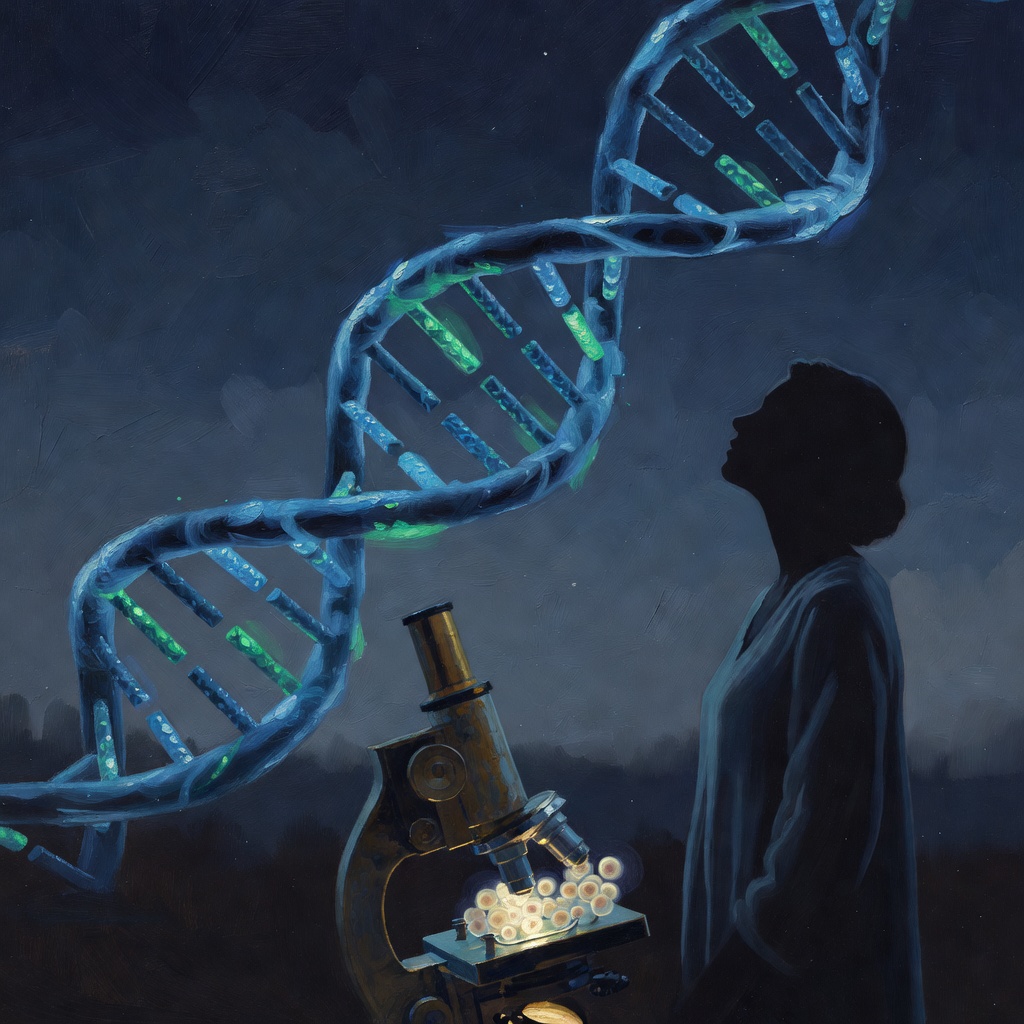 Intellia's lonvo-z gene therapy posted strong Phase 3 results for hereditary angioedema treatment
 A non-hormonal menopause treatment just reduced hot flashes, anxiety, and depression without HRT risks
 A new GLP-1 diabetes pill just achieved major weight loss and blood sugar control in trials
 AstraZeneca's Truqap just won FDA approval as the first and only targeted treatment for PTEN-deficient prostate cancer