Topic · 5 episodes
Always-On AI Wearables
Always-on AI wearables are arriving fast — and the core tensions are consent, accuracy, and physics. Samsung's Galaxy Watch 9 trains health models on biometric data without FDA clearance. Meta has patented continuous emotional surveillance disguised as fitness coaching. Apple dominates edge AI shipments while AR glasses still can't solve the size-versus-function tradeoff. Even a breakthrough skin patch from the University of Chicago leaves its power source unspecified. The category is real; the accountability frameworks aren't.
Frequently asked
What are the privacy risks of always-on AI wearables?
Meta's patent US 2026/0182881 A1 describes a wearable that continuously captures audio, tracks sighs and laughter, and cross-references medication timing with mood — marketed as fitness coaching. No specific legal framework governs this type of ambient emotional surveillance in most jurisdictions, leaving users with little formal protection.
Does Samsung Galaxy Watch 9 have FDA approval for its health features?
No. Samsung's Galaxy Watch 9, launching July 22 at Galaxy Unpacked in London, includes an AI Health Companion with Energy Score, Heart Health Score, and Vitals features — but none carry FDA clearance. The device trains models on biometric data by default, creating real consent and liability gaps before a single unit ships.
Which smartwatch leads in edge AI in 2026?
Apple Watch captured nearly 90% of edge AI smartwatch shipments in Q1 2026, per Counterpoint Research, despite holding only 23% of the total smartwatch market. The gap comes from Counterpoint's definition requiring on-device NPU inference — a bar Samsung and Google's cloud-hybrid Gemini implementations currently don't meet.
Why haven't AR glasses gone mainstream yet?
AR glasses face an unsolvable physics tradeoff: wider field of view demands larger optics, bigger batteries, and more heat — all of which fight the frame. EssilorLuxottica sold 7 million audio-only smart glasses in 2025 by conceding display features entirely, while Snap's display-equipped Spectacles cost $2,195 and Evan Spiegel called them chunky.
Can a wearable AI patch detect heart arrhythmias without sending data to the cloud?
The University of Chicago's stretchable AI skin patch, published in Nature Electronics on May 20, 2026, detects ventricular fibrillation in milliseconds using on-device neuromorphic inference — no cloud, no wireless transmission. However, the paper specifies no power source or battery life, leaving the 'always-on' claim practically unverified.
Episodes
 Samsung's Galaxy Watch 9 coming July 22 with always-on AI real-time health insights — new era for wrist health trackingSamsung's Galaxy Watch 9 launches at Galaxy Unpacked on July 22 in London with an AI-powered Health Companion that trains models on biometric data by default — but none of its Energy Score, Heart Health Score, or Vitals features carry FDA clearance, creating real consent and liability gaps before a single unit ships.
 Meta's always-recording AI wearable patent filed July 2026 — continuous capture raises surveillance concerns as sales growMeta's patent US 2026/0182881 A1, filed December 2025, describes a wearable that continuously captures audio, tracks sighs and laughter, and cross-references medication timing with mood indicators — marketed as fitness coaching. Ray-Ban Meta glasses already sell in the millions, and no specific legal framework governs this type of ambient emotional surveillance in most jurisdictions.
 Apple Watch dominated Q1 2026 edge AI smartwatch shipments with nearly 90 percent market shareApple Watch captured nearly 90% of edge AI smartwatch shipments in Q1 2026, per Counterpoint Research, while holding only 23% of the total smartwatch market. The gap exists because Counterpoint's definition requires on-device NPU inference — a standard Samsung and Google's cloud-hybrid Gemini implementations currently don't meet.
 AR glasses face a massive size problem — they need to be functional, comfortable, AND fashionable to succeedAR glasses face an unsolvable physics tradeoff: wider field of view demands larger optics, bigger batteries, and more heat — all of which fight the frame. EssilorLuxottica sold 7 million audio-only smart glasses in 2025 by conceding that tradeoff entirely, while Snap's display-equipped Spectacles cost $2,195 and Evan Spiegel called them chunky.
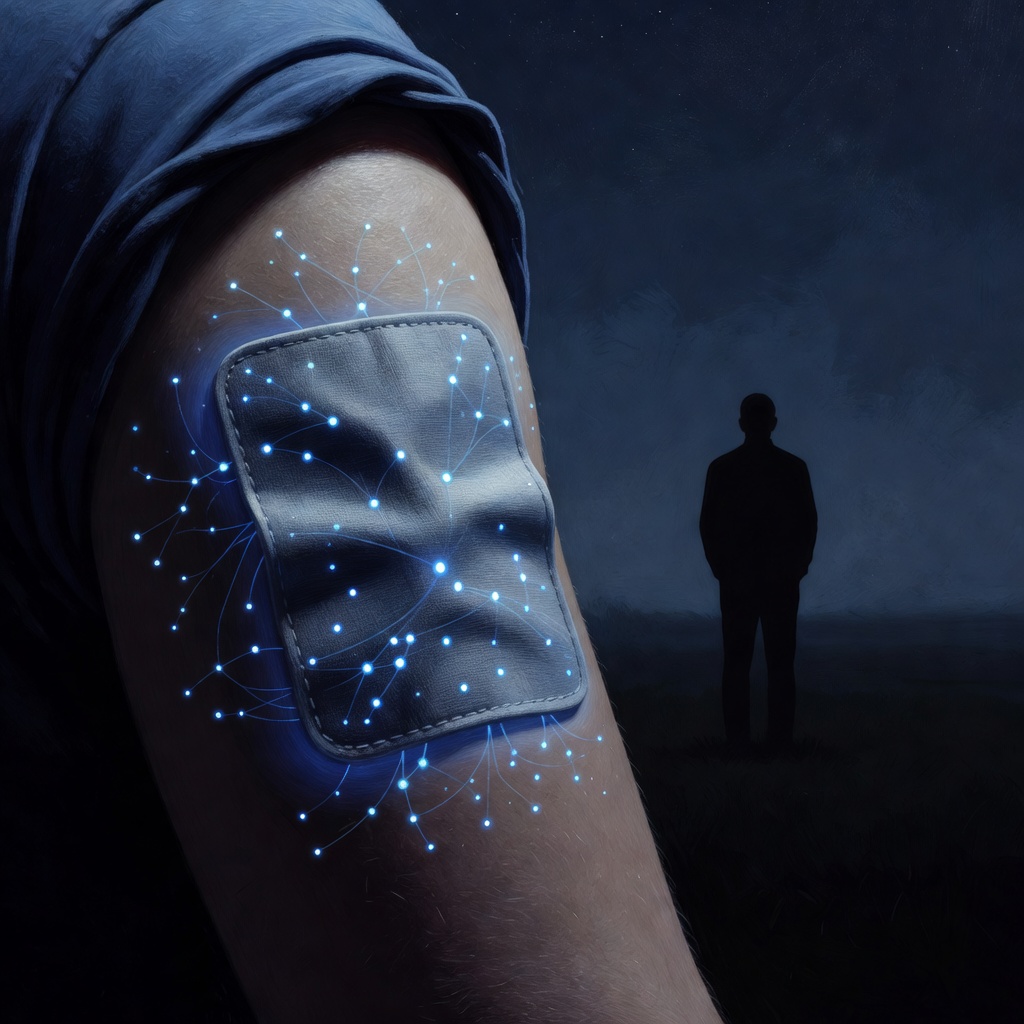 University of Chicago's stretchable AI patch processes health data without cloud latency or privacy riskThe University of Chicago's stretchable AI skin patch, published in Nature Electronics on May 20, 2026, detects life-threatening arrhythmias like ventricular fibrillation in milliseconds using on-device neuromorphic inference — no cloud, no wireless transmission. A critical open question: the paper specifies no power source or battery life, making the 'always-on' claim unverified.