Company · 14 episodes
Tesla
Tesla's Autopilot and Full Self-Driving systems are under intensifying federal scrutiny following a June 19, 2026, crash in Katy, Texas, where a Model 3 struck a home at 110 kph, killing 76-year-old Martha Avila Mantill. NHTSA has escalated to engineering analysis a probe covering 3.2 million FSD-equipped vehicles — while Tesla VP Ashok Elluswamy disputes blame, claiming telemetry shows the driver accelerated manually. The core tension: Tesla controls all the evidence.
Frequently asked
What is NHTSA investigating Tesla for in 2026?
NHTSA escalated to engineering analysis a probe covering 3.2 million FSD-equipped Tesla vehicles after a Model 3 crashed into a Katy, Texas home at 110 kph on June 19, 2026, killing 76-year-old Martha Avila Mantill. The central question is whether Tesla's camera-only architecture can reliably alert drivers when the system loses confidence.
Who died in the Tesla Autopilot Texas crash?
Martha Avila Mantill, a 76-year-old woman, was inside her Katy, Texas home when a Tesla Model 3 crashed into it at 110 kph on June 19, 2026. NHTSA opened a Special Crash Investigation on June 22, 2026, treating it as the latest in nearly 50 Tesla Autopilot probes since 2016.
Did Tesla's Autopilot cause the fatal Texas crash?
Tesla VP Ashok Elluswamy claims telemetry shows the driver manually floored the accelerator to 73 mph, placing fault on the human rather than Autopilot. NHTSA is demanding independent verification — a significant caveat given that Tesla controls every byte of the vehicle's telemetry data.
How many deaths have been linked to Tesla Autopilot probes?
NHTSA has opened nearly 50 Special Crash Investigations into Tesla Autopilot incidents since 2016, spanning roughly 24 deaths. Despite this record, no systemic recall of Tesla's Autopilot or FSD systems has been issued as of the June 2026 Katy, Texas investigation.
What is Tesla's camera-only FSD architecture and why is it controversial?
Tesla's FSD relies solely on cameras rather than lidar or radar. NHTSA's 3.2-million-vehicle probe has made the architectural question explicit: can a camera-only system structurally guarantee that drivers understand when FSD is operating beyond its reliable limits, or does the design itself create a systemic safety gap?
Episodes
 Tesla's China footprint generates critical cash, but questions loom over how long this advantage will lastTesla Gigafactory Shanghai set a production record of 93,579 vehicles in June 2026, yet domestic China sales fell 9% year-over-year in H1 2026. For the first time, Shanghai exports (128,394 units) outnumbered domestic sales — routing Tesla into export markets where BYD already undercuts it on price and supply-chain cost.
 Tesla's China-made EV sales jumped 37.8% year-over-year in July, extending a nine-month winning streakTesla's Shanghai Gigafactory shipped 93,579 China-made EVs in July 2026, up 37.8% year-on-year — a nine-month streak — but nearly half of that output was exported. Chinese domestic Tesla sales fell roughly 2% in Q2 2026, and Leapmotor outsold Tesla in China for the second straight month with 101,267 units.
 Tesla filed suit against Angstrom Tooling today over a Cybertruck tooling standoff halting productionTesla filed an emergency lawsuit (case 6:26-cv-0477, Western District of Texas) after employees and law enforcement were turned away from a Troy, Texas plant on July 21 where Angstrom Automotive Group holds 700 finished Cybertruck components and custom dies. Replacement tooling would take five to six months to fabricate, halting production entirely.
 Tesla touts FSD five-times safer than humans—but a manager's lawsuit alleges rolling hazardsTesla claims FSD Supervised is 5.2 times safer than manual driving in Europe—but a July 2026 federal lawsuit alleging 2024 safety failures, a Reuters investigation citing data inflation of up to 3×, and a separate regulatory probe create three simultaneous, unresolved challenges to that figure's credibility.
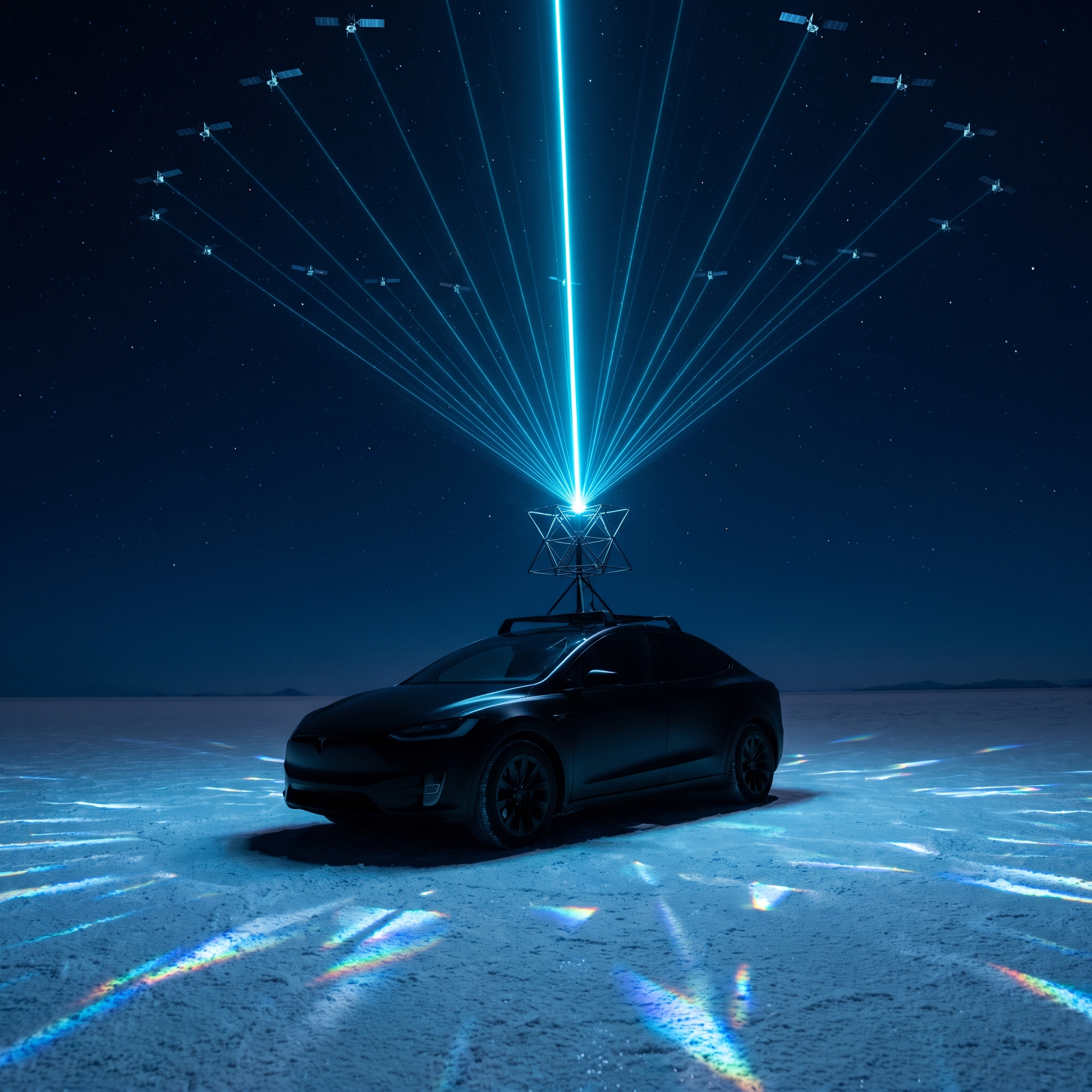 Tesla just announced Cybercab integration with SpaceX's Starlink V5—a first hardware crossoverTesla confirmed Starlink V5 is factory-integrated into the Cybercab roof — the first Tesla vehicle with built-in SpaceX hardware. The antenna isn't used for driving; it supports fleet monitoring and over-the-air updates for driverless robotaxi operations in Tampa and Orlando, where 5G coverage has gaps.
 Tesla's robotaxi expansion races ahead while Q2 margins face AI-driven cash burn scrutinyTesla launched robotaxi service in Orlando and Tampa on July 21, 2026 — one day before Q2 earnings — while analysts forecast $3.3 billion in negative free cash flow and Austin's fleet remains at just 17 cars after 13 months. Record deliveries of 480,126 vehicles coexist with Tesla's largest cash burn in over two years.
 BYD is now making a bold push to beat Tesla in the humanoid robot raceBYD quietly developed its humanoid robot, Yao-Shun-Yu, through seven internal generations since 2022, while operating 200 third-party robots on its factory floors as paid field research. Its target of 20,000 deployed units by end of 2026 would make BYD the world's second-largest internal humanoid robot deployer, behind only Tesla.
 Tesla just posted its strongest second quarter ever — what drove the comebackTesla delivered 480,126 vehicles in Q2 2026 — beating Wall Street's consensus of ~406,000 by roughly 74,000 units and marking the first year-over-year delivery growth since 2023. The catch: Tesla delivered 28,000 more units than it produced, drawing down Q1 inventory. July 22 earnings will reveal whether margins held.
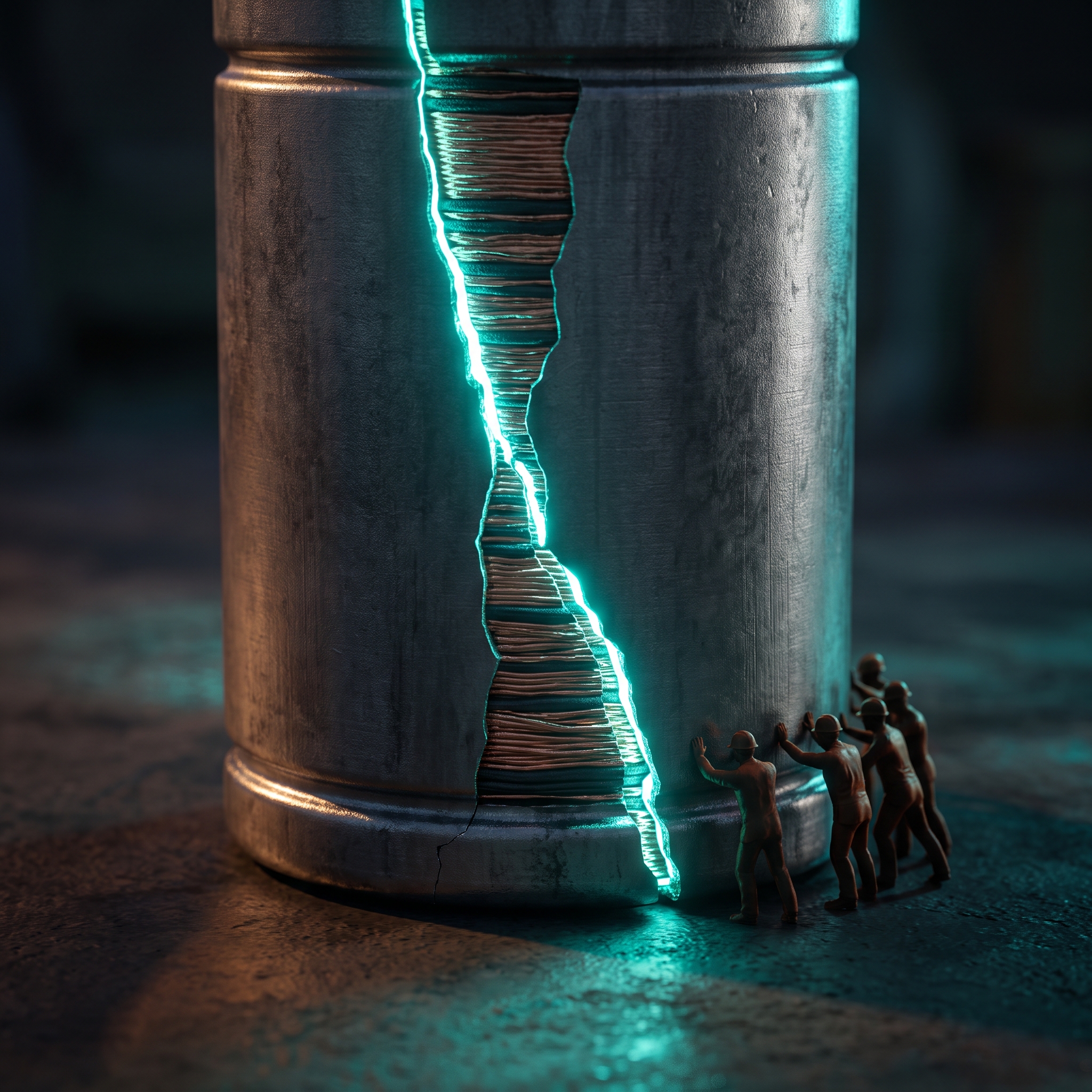 Tesla's struggling 4680 battery line now depends on external startups to fix core manufacturing problemsTesla's 4680 battery program has spent roughly $3 billion over five years and hit real milestones — both electrodes now use dry-electrode processing at Giga Texas, a first for any automaker — but Berlin's 18 GWh target remains unmet, prompting a July 2026 open startup competition to transfer what Texas figured out.
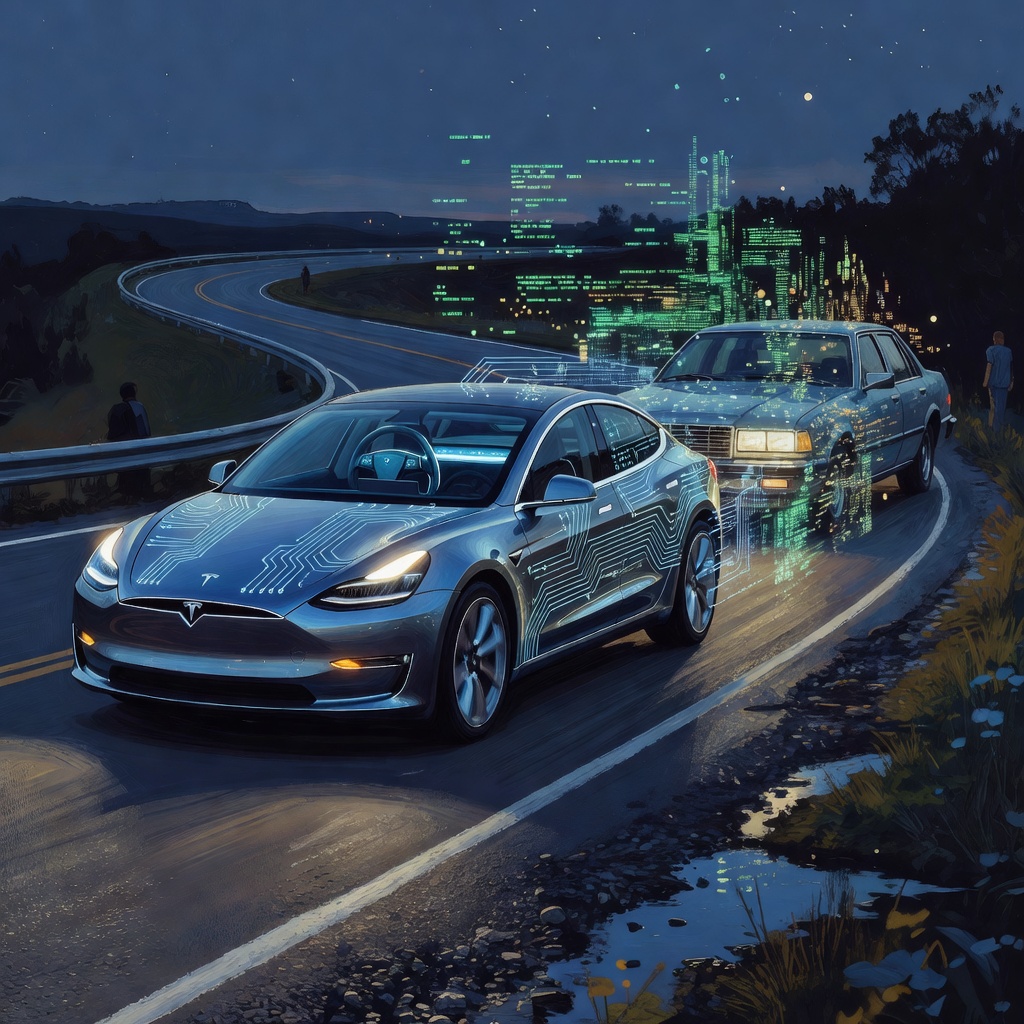 Tesla is now pushing Full Self-Driving v14 Lite to older hardware vehicles, expanding autonomy accessTesla has pushed FSD v14 Lite to roughly four million Hardware 3 vehicles after a 14-month freeze, compressing the full HW4 v14 neural network to 15% of its original size. The update is still supervised Level 2, rolls out to high Safety Score drivers first, and integrates Grok 4.5 — an AI from Elon Musk's private xAI company — under undisclosed terms.
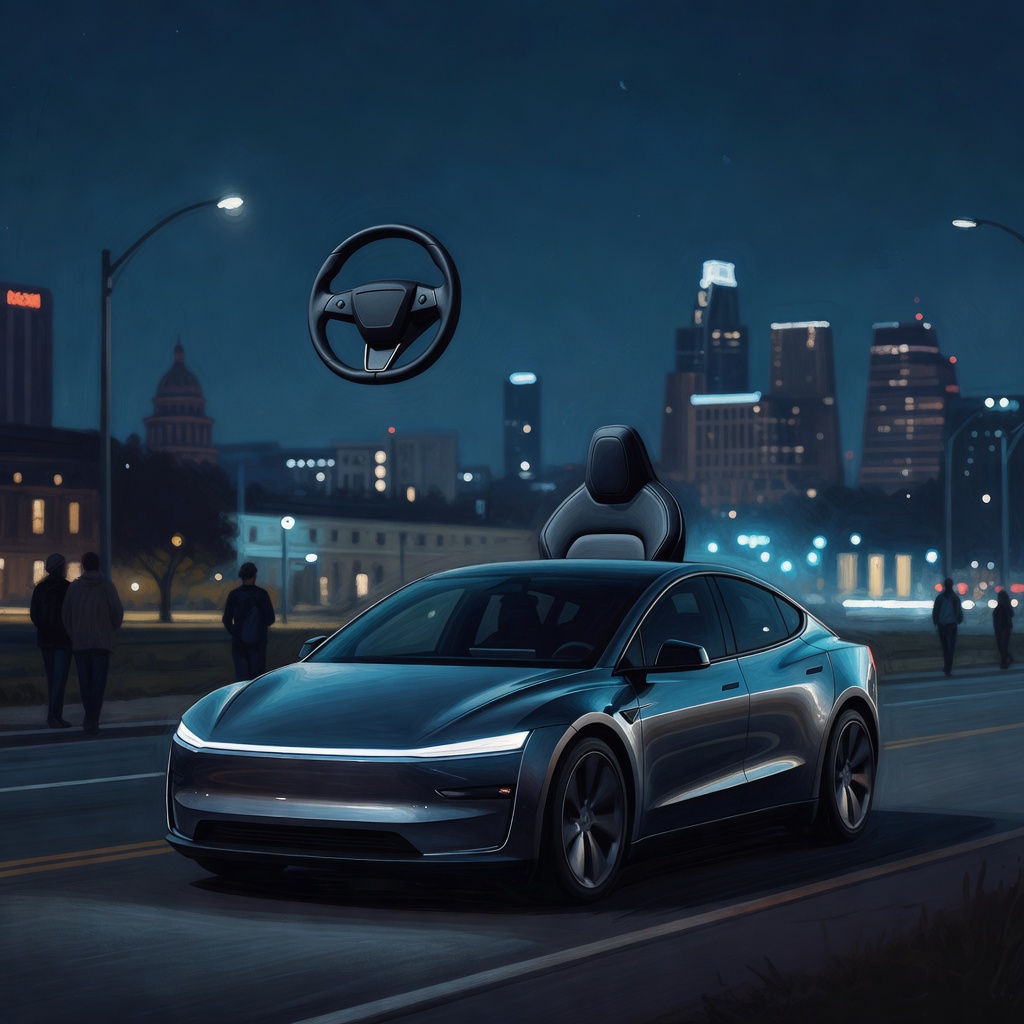 Tesla just started testing a Cybercab with no steering wheel or pedals on Austin roadsAs of June 30, 2026, Tesla is running 34 Cybercabs — two-seat robotaxis with no steering wheel or pedals — on public roads in Austin, with 70-plus additional units staged nearby. Simultaneously, NHTSA and the Texas DOT are formally approving the controlless design, rewriting a century of U.S. vehicle safety standards in real time.
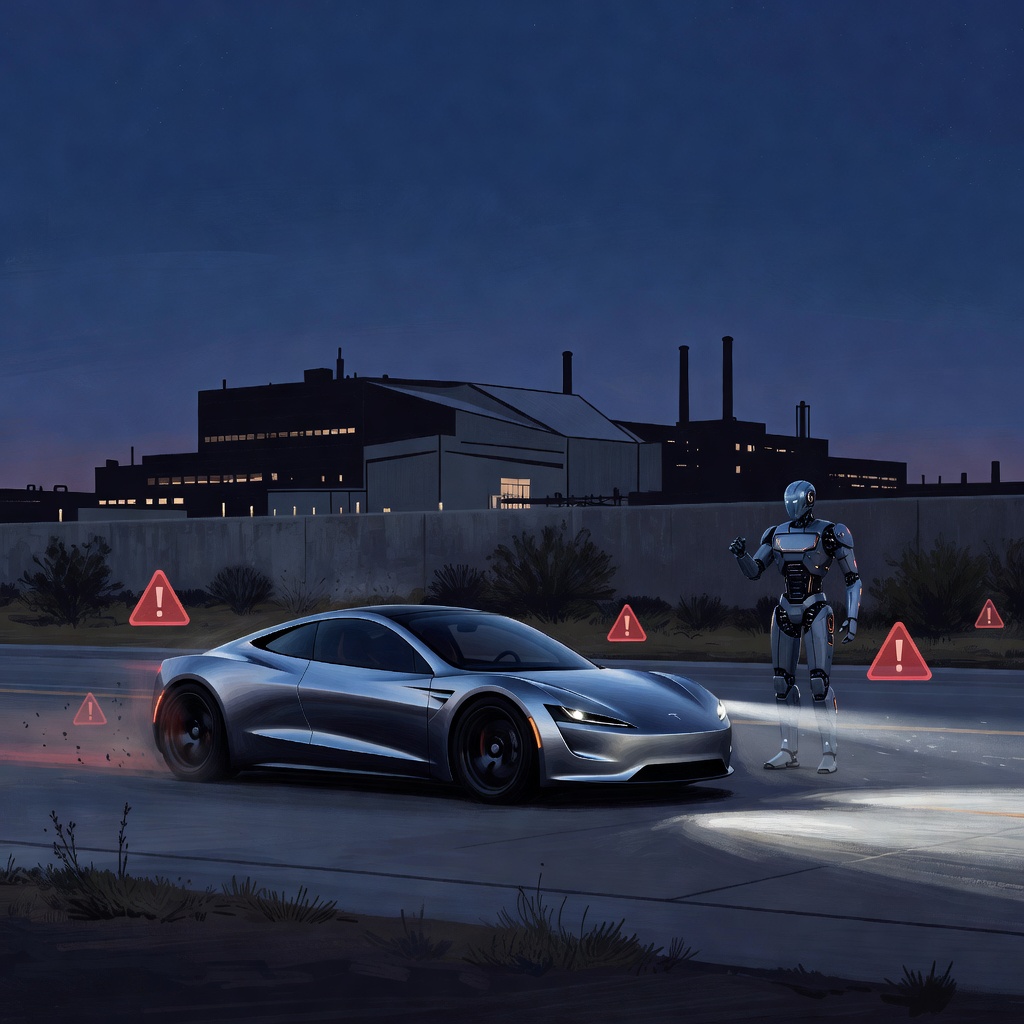 NHTSA's 3.2M-vehicle FSD probe collides with Tesla's August Roadster and Optimus reveal at Giga TexasNHTSA has escalated to engineering analysis a probe covering 3.2 million FSD-equipped Tesla vehicles after a Model 3 struck a home in Katy, Texas, where 76-year-old Martha Avila Mantill was inside. The probe's core question: can Tesla's camera-only architecture structurally guarantee drivers know when the system is blind?
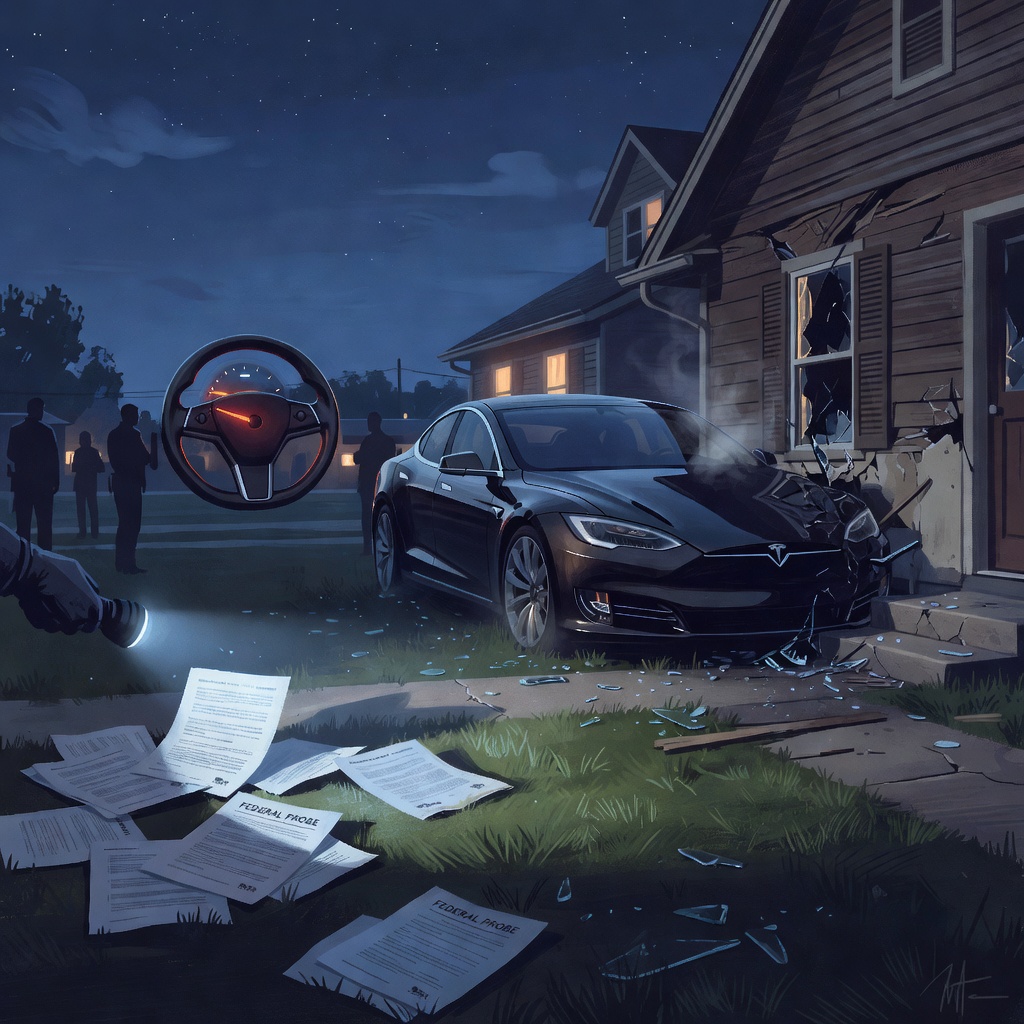 NHTSA launched a special federal probe after Tesla crashed into Texas home at 110 kph on autopilotNHTSA opened a Special Crash Investigation on June 22, 2026, after a Tesla Model 3 crashed into a Katy, Texas home at 110 kph, killing 76-year-old Martha Avila. It is the latest in nearly 50 such Tesla Autopilot probes since 2016 — spanning roughly 24 deaths — with no systemic recall issued.
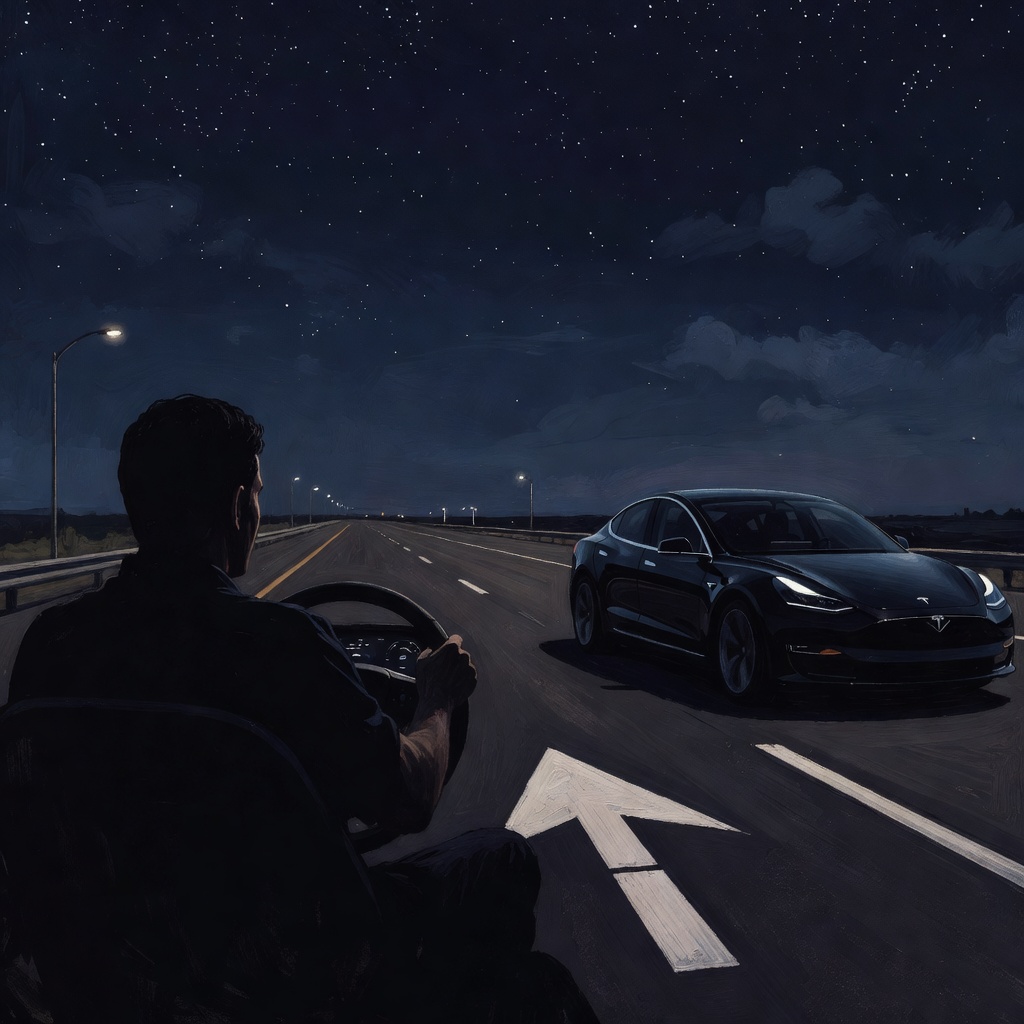 Tesla says the driver, not autopilot, caused the fatal Texas crash — media had it backwardsWhen a Tesla Model 3 crashed into a Texas home on June 19, killing 76-year-old Martha Avila, Tesla VP Ashok Elluswamy claimed telemetry showed the driver manually floored the accelerator to 73 mph — but NHTSA is demanding independent verification, and Tesla controls every byte of the evidence.