Topic · 46 episodes
Science
Science is undergoing a quiet revolution in how it understands the brain. Across neuroscience, Onpode's coverage spans consciousness being reframed as fundamental rather than brain-generated, a paralyzed man regaining speech and computer control via implant, drug-free brain regeneration approaches, psilocybin helping an Alzheimer's patient recover lost memories, and two newly identified autism subtypes. The through-line: the brain is far more plastic, mysterious, and treatable than conventional science assumed.
Frequently asked
Is consciousness produced by the brain?
Neuroscientists Koch and Reggente argue that consciousness is not produced by the brain but is as fundamental as gravity — a property of the universe itself. This challenges the mainstream neuroscience view that awareness is simply a byproduct of neural activity.
How is a paralyzed man controlling a computer with his mind?
A paralyzed man is now controlling a computer and speaking through a brain implant that requires no external devices. The implant translates neural signals directly into speech and computer commands, restoring communication and digital control he had lost.
Can the brain regenerate without drugs or surgery?
Scientists are developing brain regeneration approaches that require neither drugs nor surgery. These emerging methods represent a shift away from pharmaceutical or invasive interventions, though the precise biological mechanisms involved are still being established through ongoing research.
Can psilocybin help Alzheimer's patients recover memories?
In one documented case, a patient with Alzheimer's regained lost memories after receiving psilocybin. Neuroscientists see this as a significant prompt to investigate how psychedelics might interact with memory systems affected by neurodegeneration, opening a new line of inquiry.
What are the two autism subtypes researchers discovered in the brain?
Researchers identified two distinct autism subtypes with different neurological signatures in the brain. This discovery reshapes how science understands autism — suggesting it is not a single condition but at least two biologically separate presentations that may require different approaches.
Episodes
 What makes a claim scientific — the mechanism that separates science from non-scienceKarl Popper's falsifiability criterion — a claim is scientific only if it specifies in advance what would prove it wrong — draws the right goal line but cannot enforce it alone. Homeopathy survived thousands of contradicting trials; string theory makes no testable predictions. The real work requires human judgment, not just logical structure.
 New research reveals cells don't all respond the same way to cancer-causing genes—raising questions about precision oncologyThe same KRAS oncogene mutation produces remission in lung cancer but fails completely in pancreatic cancer — research by Chiara Falcomatà and the German Cancer Consortium shows tissue identity may make these nearly separate diseases, exposing a fundamental gap in precision oncology's mutation-first framework.
 University of Minnesota researchers built a non-living chemical cell that grows, replicates, and evolves—challenging what we call aliveUniversity of Minnesota researchers built SpudCell, a synthetic chemical cell made of 150–200 non-living molecules that grows, divides every 12 hours, and undergoes Darwinian competition — yet its creators say it is not alive, because it cannot synthesize its own ribosomes or achieve clean DNA inheritance during division.
 Scientists just observed a record-breaking X-ray flash that may capture a magnetar's birthAn X-ray flash called EP250704a lasted ten minutes — roughly 300 times longer than a standard neutron star merger signal. A September 30, 2026 Science Bulletin paper calls this 'strong evidence' of magnetar birth, not confirmation, and no gravitational-wave counterpart exists to independently verify the event.
 Why randomized trials work — the statistical mechanism that isolates causeRandomized controlled trials isolate cause from correlation by randomly assigning who gets treatment, which distributes all confounders — including unknown ones — equally across groups by chance. Austin Bradford Hill applied this logic to medicine in 1948; Ronald Fisher had proved the statistical principle in agricultural experiments decades earlier. The math licenses the causal claim; the ethics constrain where it can go.
 Why journals reward novelty over replication — the structural mechanismAcademic journals systematically favor novel positive results over replications, creating publication bias. Amgen found only 11% of published preclinical cancer studies replicated; the Open Science Collaboration found 36% in psychology. Individually rational career choices — burying null results — produce a collectively distorted scientific record that peer review was never designed to catch.
 As we elevate AI capabilities, we're learning to think less of our fellow humans, warns Atlantic essayDavid Brooks's September 2026 Atlantic essay argues AI is already eroding how we value other humans, not as a future risk but a present structural shift. Yet the cognitive-offloading science Brooks relies on is, by researchers' own admission, brand new and unsettled — creating a mismatch between rhetorical certainty and weak evidence.
 AI solved protein folding, but proteins keep changing their mindsAlphaFold 2 predicts protein resting shapes with near-experimental accuracy, but it cannot model how proteins physically reshape when a drug binds — called induced fit — or how binding at one site alters a distant site (allostery). The correct answer for drug discovery is a distribution of conformations, not a single static structure.
 Growing consensus among physicists: quantum mechanics is deterministic, not random—challenging core assumptions about free willPilot-wave theory, formulated by Louis de Broglie in 1927, treats quantum mechanics as fully deterministic: particles follow precise trajectories guided by a real wave, and apparent randomness reflects unknown initial conditions. A proof widely cited for 90 years to dismiss this view has since been shown not to apply to it.
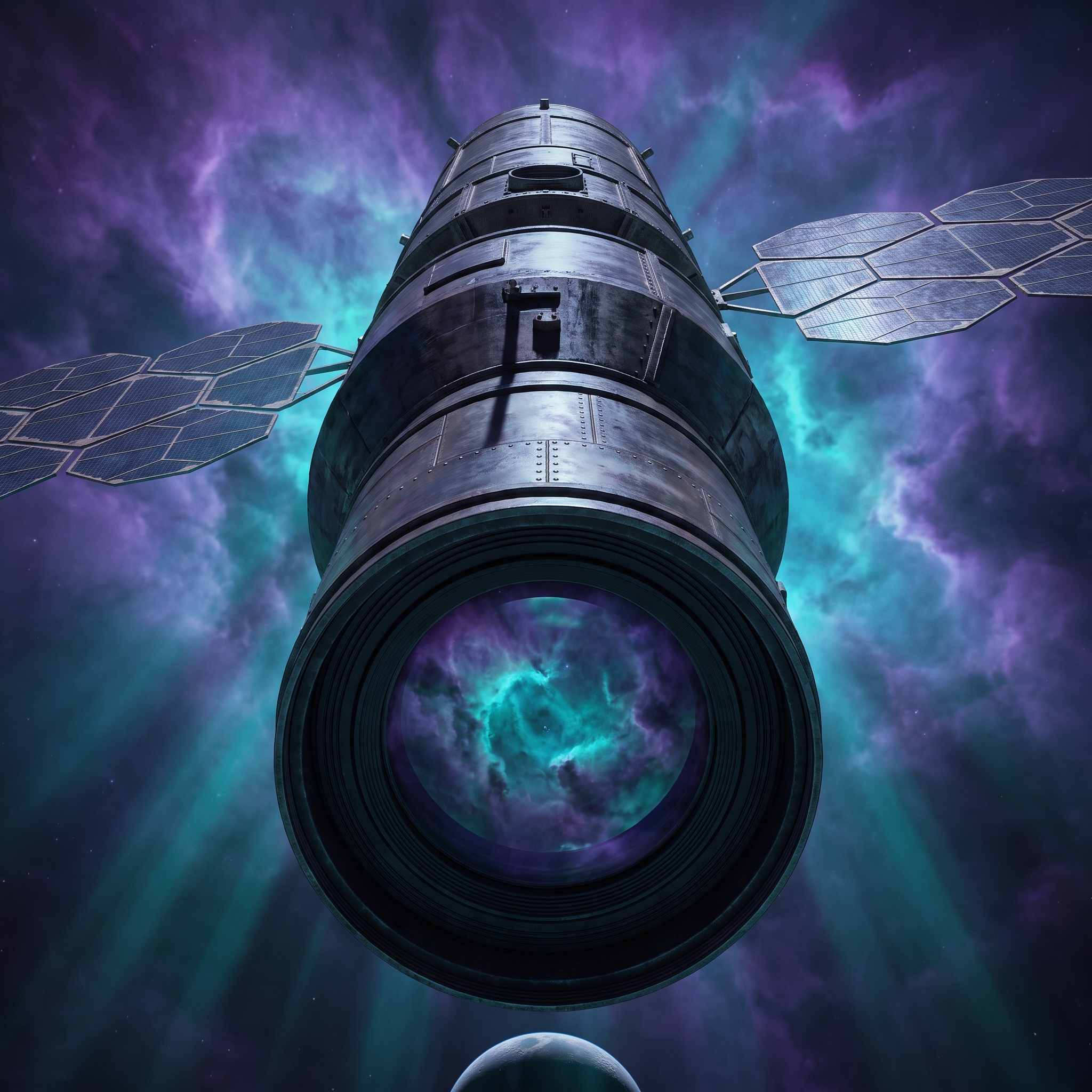 NASA weaponized old spy satellites to peer deeper into the universe than ever beforeThe Nancy Grace Roman Space Telescope is built around a 2.4-meter primary mirror donated by the National Reconnaissance Office in 2012 — hardware originally designed to photograph Earth from a classified spy satellite. NASA reground, recoated it with silver for infrared use, and inherited its wide-field speed, a trait engineered for surveillance, not astronomy.
 A 252-million-year extinction is repeating now: warming oceans losing oxygen, marine life suffocatingA 2026 PNAS study by Marquez and Sperling at Stanford confirms that temperature-dependent hypoxia — warm water holding less oxygen while raising metabolic demand — drove the end-Permian extinction's taxonomic selectivity 252 million years ago. Modern oceans show the same warming and deoxygenation trends, but whether today's species face the same threshold remains an open, unanswered question.
 Scientists just debunked a 70-year-old neuroscience myth about how your brain worksPaul MacLean's triune brain model — the idea that a primitive 'lizard brain' sits beneath a rational cortex — was largely abandoned in academic neuroscience by the early 2000s, yet persists in therapy and management training. António Damásio's research shows emotion isn't noise: patients without emotional signals couldn't decide where to eat lunch.
 Science journalism can expose bad science and trigger real-world change, new study revealsScience journalism now functions as a second peer-review layer: fraud-related retractions are growing at 13.3% annually, 2023 saw over 10,000 retractions in a single year, and historical cases like cold fusion and the vaccine-autism fraud were exposed by reporters, not scientists — yet the system was never designed this way.
 Putting mice into hibernation erases half their synapses—yet memories survive. Here's what researchers discoveredMice induced into hibernation lost more than half their hippocampal synapses yet retained learned memories, according to a study in Science (doi: 10.1126/science.aee7004). The key finding: engram-to-engram synapses — the specific connections between memory-encoding neurons — were selectively preserved, suggesting memory is stored in connectivity patterns, not individual synapse strength.
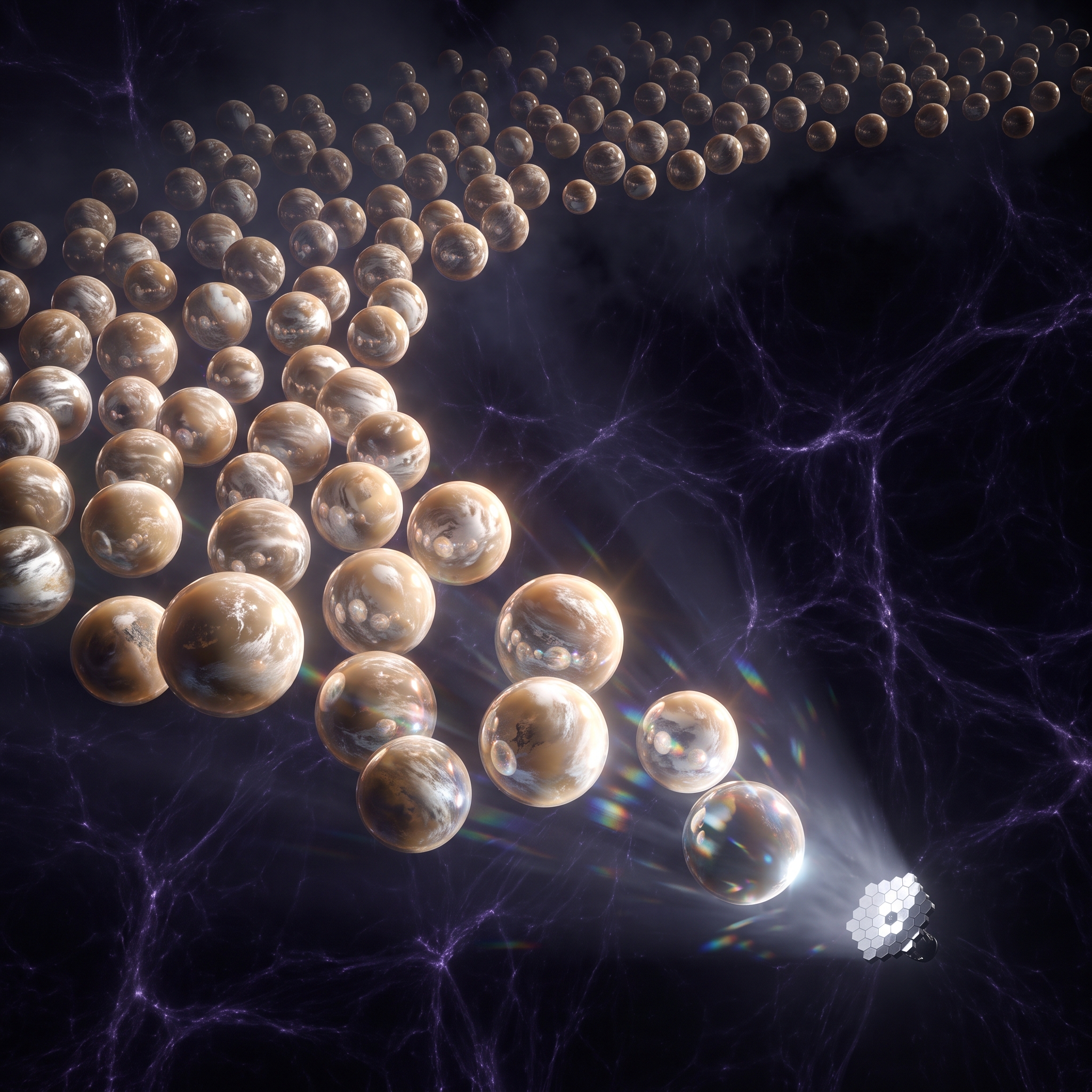 NASA's new space telescope could find 200,000 planets and unlock dark matter's secretsNASA's Nancy Grace Roman Space Telescope, launching August 30, 2026, is projected to detect up to 200,000 exoplanets — more than 30 times all previously confirmed planets combined — using gravitational microlensing across a field of view 200 times larger than Hubble's infrared camera. But that number carries significant definitional uncertainty.
 Why journals and funders reward novel findings but scientists benefit from replicationThe replication crisis in science is a structural problem: the Reproducibility Project: Psychology found only 36% of 97 high-profile studies replicated, yet replication work remains career-damaging because tenure and grants reward journal Impact Factor and citation counts — metrics that measure novelty, not accuracy.
 Why two incompatible philosophies of statistics coexist in scienceRoughly 80% of researchers misread the p-value as the probability that a hypothesis is true — but it only measures how unusual the data would be if no effect existed. Bayesian and frequentist statistics answer genuinely different questions, and the field's reliance on frequentism reflects historical computation limits, not philosophical victory.
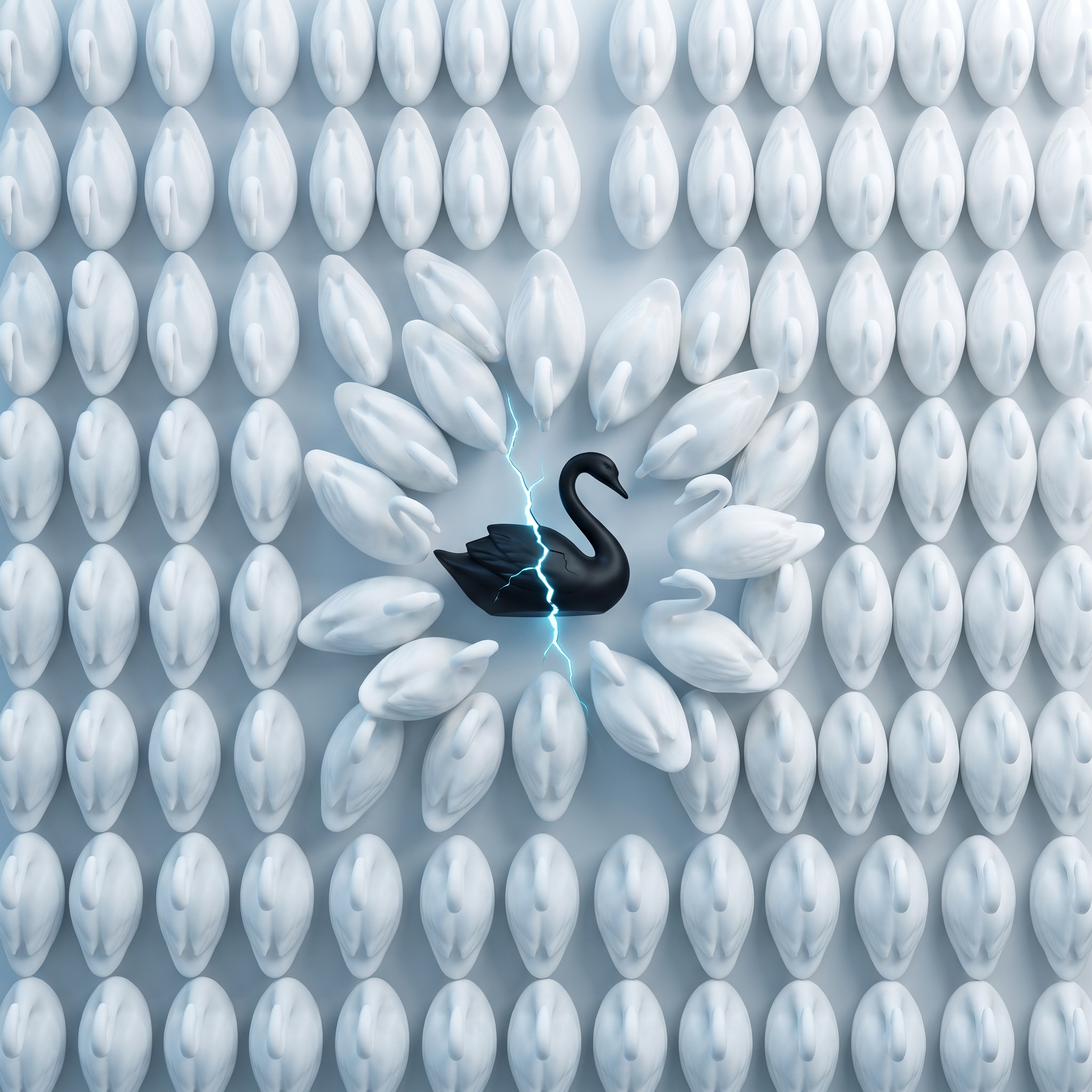 How falsification — not confirmation — is the logic that separates science from beliefKarl Popper argued in 1934 that science advances by falsification, not confirmation: a single black swan destroys 'all swans are white,' but a million white swans never prove it. Today's replication crisis — where 36–47% of published psychology findings fail to reproduce — is Popperian logic playing out in real time.
 Why the peer-review system rewards novelty over accuracy and replication82% of researchers never submit null results — not because journals reject them, but because they self-censor first. Yet 51% of null-result papers that do get submitted are accepted. This gap reveals that peer review's publication bias is driven by incentive architecture, not gatekeeping: novelty attracts citations, so null findings simply offer less.
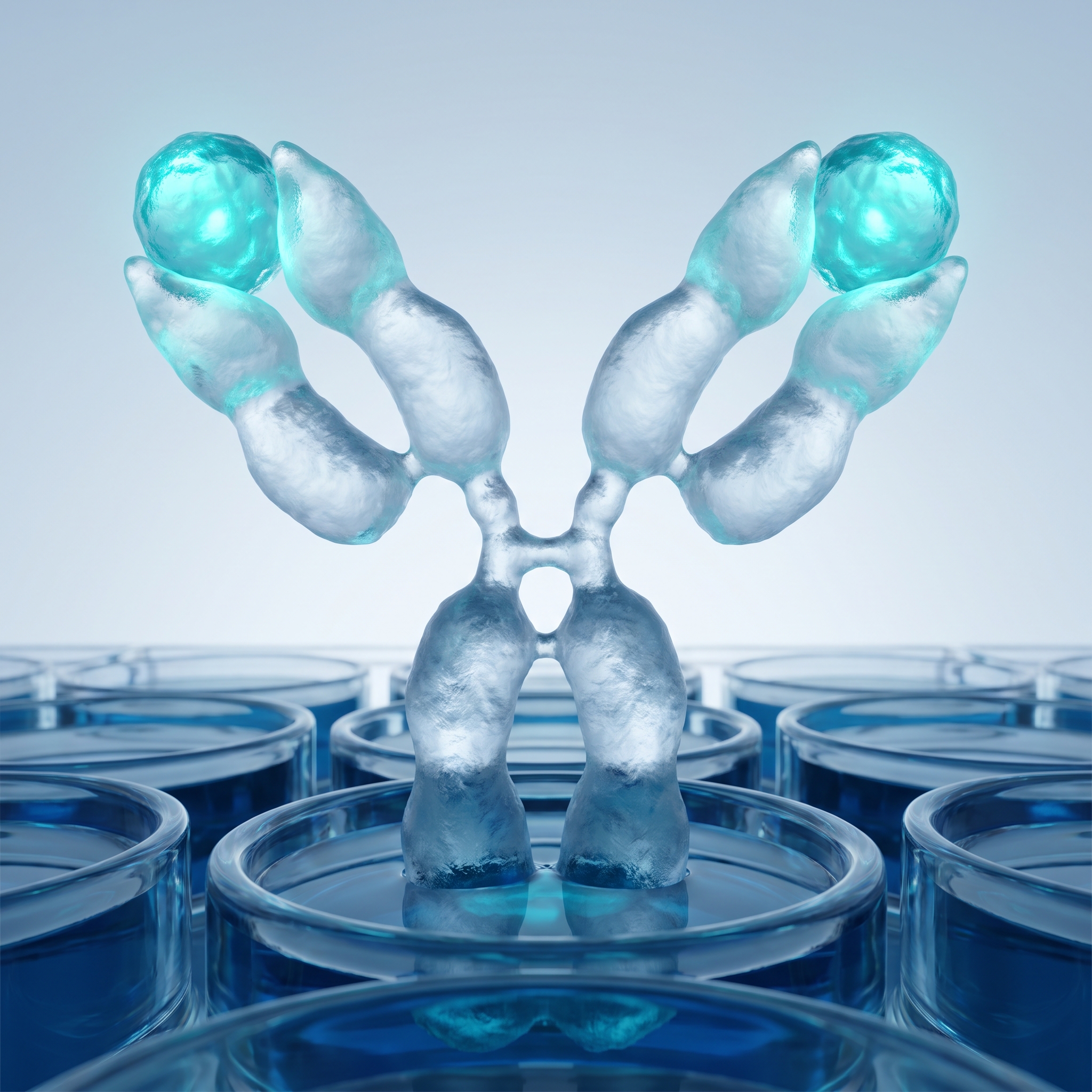 In silico antibody design faces the reality check of binding assaysThe AIntibody benchmark — organized by Specifica LLC and published in Nature Biotechnology — tested 511 antibody sequences from 29 organizations in blinded, prospective wetlab assays. Inverse folding models using AlphaFold 3 structures achieved the highest Spearman correlation and best precision@10, yet structural accuracy still did not reliably predict binding affinity or developability.
 The structural incentives that make false positives publishable but replications unrewardingThe replication crisis in science is structurally manufactured: when the Open Science Collaboration retested 100 published psychology studies, only 36 replicated. Journals reject null results, hiring committees reward novelty, and replication carries no career payoff — making false positives the rational output of an incentive system designed wrong.
 After 50 years of searching, physicists just produced the strongest evidence yet for a glueball—a particle made entirely of gluonsAfter 50 years of searching, BESIII physicists presented the strongest evidence yet for X(2370)—a pseudoscalar glueball made entirely of gluons—at ICHEP 2026, based on 10 billion J/ψ decays and new flavor-singlet suppression data. The collaboration never claimed discovery; peer review and independent replication are still required.
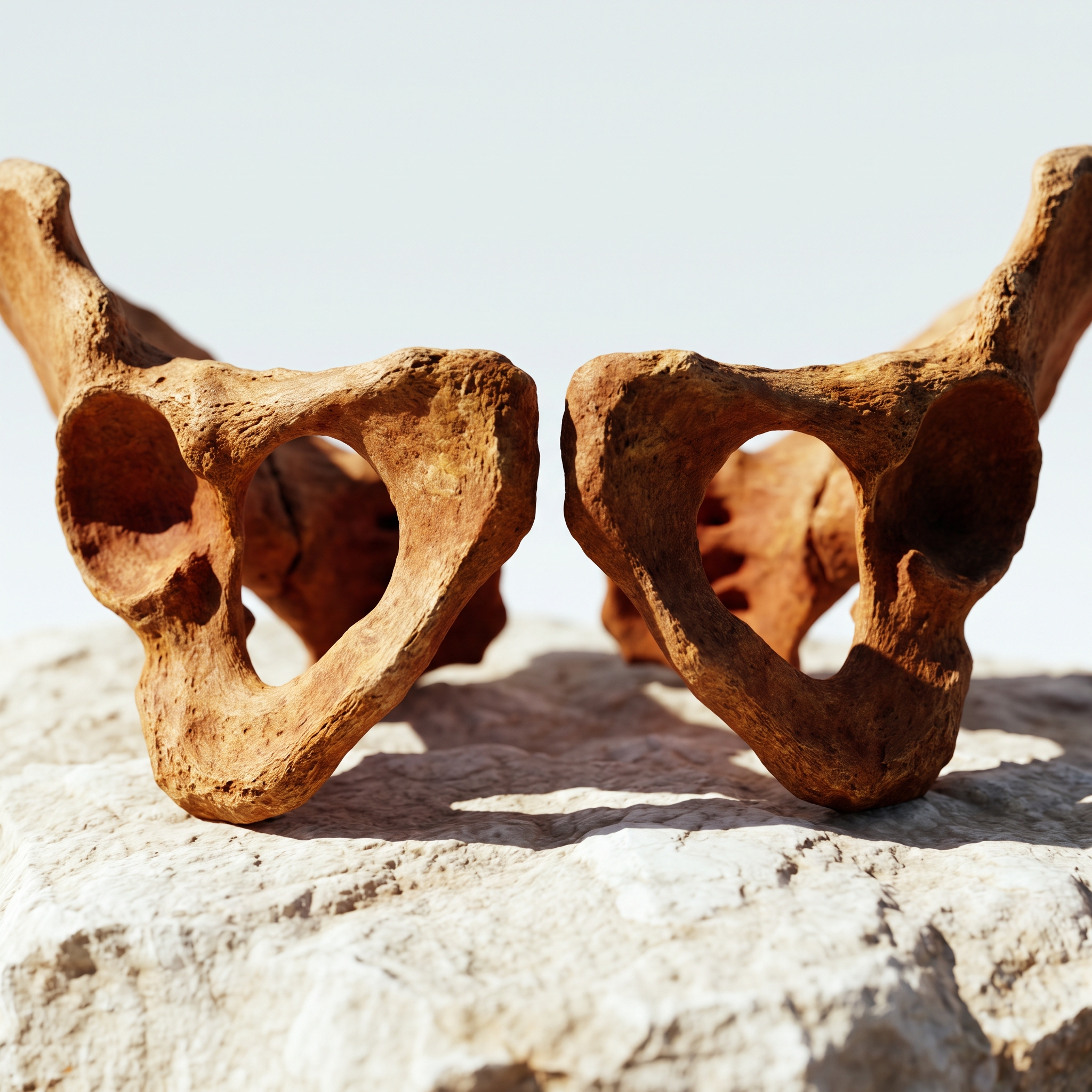 Tel Aviv University study suggests male and female Neanderthals evolved different walking efficiency—reframing human locomotion evolutionA Tel Aviv University study published August 17, 2026 in Scientific Reports argues the modern human male pelvis—not the Neanderthal pelvis—is the evolutionary outlier, with a forward-shifted acetabulum enabling spring-like walking efficiency absent in Neanderthals. The finding rests on just two fossil specimens, and the efficiency claim is inferred from bone geometry alone.
 Computational survey of 7,300 superconductors reveals materials that withstand magnetic fields above 60 TeslaA 2026 computational study in npj Computational Materials predicted upper critical magnetic fields across 7,300 electron-phonon superconductors, with select cubic compounds reaching 66.9 Tesla — the highest figure in the catalog. The model excludes disorder, anisotropy, and multiband effects, and no material in the database has yet been experimentally confirmed.
 90% of people heal faster by focusing on pain, not distracting from it—Israeli study flips conventional wisdomA Bar-Ilan University study published August 17, 2026 in Nature Human Behaviour found that 90% of participants who focused conscious attention on an inflamed patch of skin showed roughly 1.5 times less swelling and faster recovery—directly contradicting decades of advice to distract from pain.
 AI is now a core tool in drug discovery—here's what it's already doing and where it's headedInsilico Medicine's AI-designed drug rentosertib reached Phase II clinical trials in 18 months — versus a conventional 10-year timeline — but Exscientia's AI-designed DSP-1181 was discontinued after Phase I for undisclosed reasons. The real bottleneck in AI drug discovery is no longer model sophistication; it is data quality and regulatory interpretability.
 New evidence suggests life on Earth emerged two separate times—rewriting our origin storyA August 5, 2026 Science Advances study from Heinrich Heine University Düsseldorf argues that bacteria and archaea each independently evolved the enzyme sets needed to become free-living, meaning life crossed the threshold from environment-dependent to autonomous twice on Earth — sharing one genetic code but achieving two separate origins.
 AI can now design viruses faster than regulators can write rules—the governance gap is wideningA 2026 Stanford study published in Science showed that an AI trained on bacteriophage genomes generated 285 novel viral sequences, 16 of which were self-replicating and functional—a 5.6% hit rate. Existing biosafety screening tools cannot flag these AI-designed viruses because they scan for known pathogens, not novel ones.
 Scientists used AI to design viruses not found in nature—raising dual hopes and biosafety fearsOn August 6, Stanford and Arc Institute researchers published a peer-reviewed Science paper reporting that an AI model generated DNA sequences for 16 functional viruses never found in nature — all confirmed to replicate and infect E. coli. Biosecurity experts at Johns Hopkins called the governance gap 'urgent,' with no regulatory body yet requiring the pathogen-exclusion safeguards the Stanford team voluntarily chose.
 Why peer review catches obvious errors but misses subtle methodological flawsIn BMJ embedded-error studies, some peer reviewers caught zero of eight or nine planted mistakes, and only 10% caught four or more. Peer review functions as a gatekeeping floor — filtering gross errors — not a quality guarantee. Three flaws it structurally cannot detect: post-hoc sample size justification, selective outcome reporting, and p-hacking.
 The structural incentive: who pays for research often determines which questions get askedU.S. federal R&D funding has fallen from roughly 70% of total research spending in the 1960s to approximately 21% today. The gap was filled by industry and philanthropy — funders with narrower agendas. Research funding structure, not individual corruption, systematically determines which scientific questions get asked.
 Why correlation studies can mislead but are sometimes the only option science hasRandomized controlled trials guarantee internal validity by neutralizing unknown confounders through randomization, but that same design excludes the complex, comorbid patients who actually need treatment. The smoking-lung cancer link took forty years of observational convergence to reach policy — a gap Bradford Hill closed with criteria, not randomization, at a measurable human cost.
 Popper's boundary: what makes a claim scientific rather than philosophicalKarl Popper's falsifiability criterion, introduced in The Logic of Scientific Discovery (1934), holds that a theory is scientific only if a specific observation could prove it wrong. String theory currently makes zero testable predictions, placing it — by Popper's own measure — in the same non-scientific column as Freudian psychoanalysis.
 How publication incentives systematically bias toward surprising results over robust onesPublication bias has been documented since Sterling audited psychology journals in 1959 and found nearly all published results were statistically significant — yet the pattern held through 1995 and beyond. The core problem is pre-submission suppression: researchers quietly shelve null results before editors ever see them, a career calculation compounding across thousands of scientists.
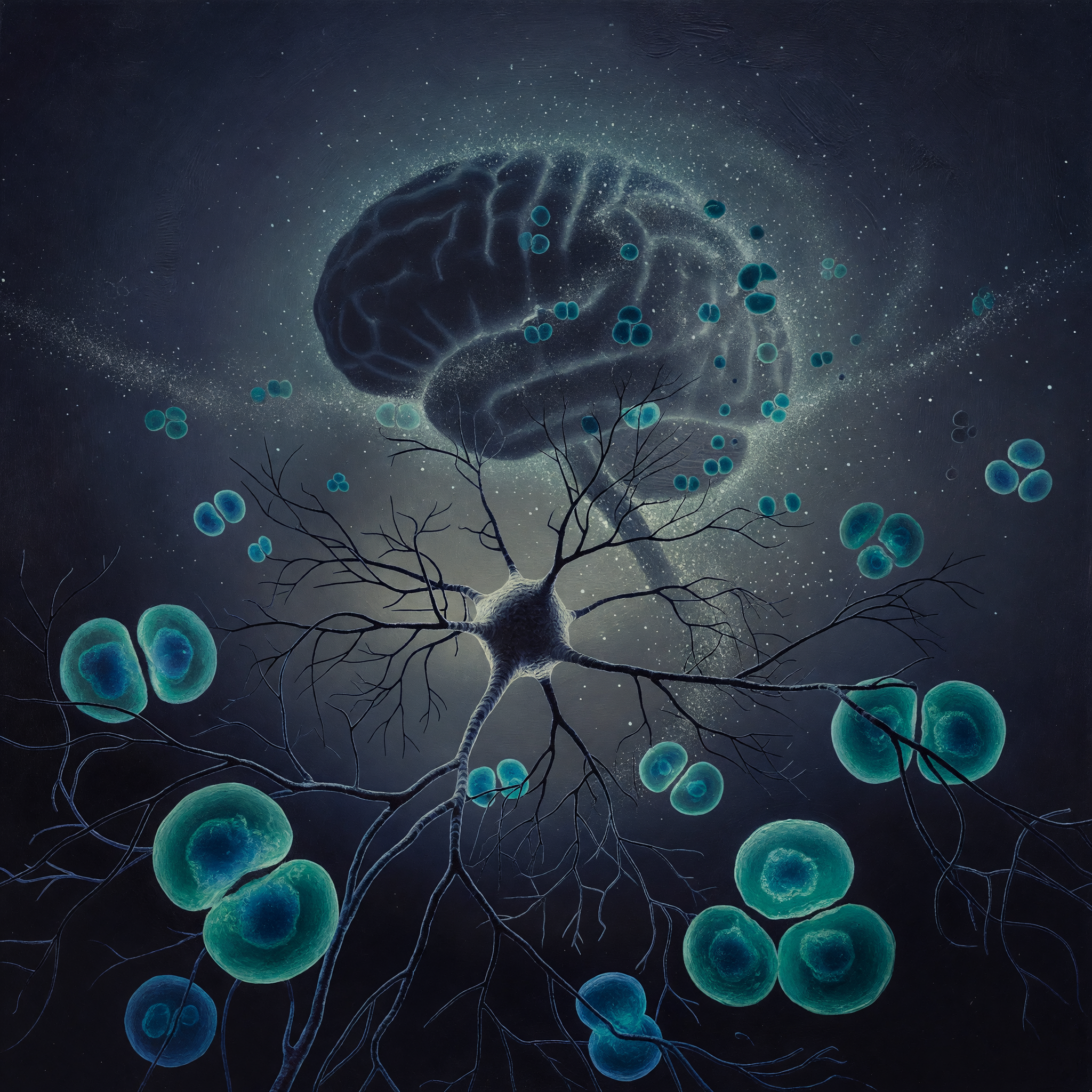 Human cells are learning and remembering without a brain — what this changes about biologyHuman blood-forming stem cells carry heritable 'clonal memory' — division timing and cell fate choices passed across generations with no neural tissue involved. A July 2026 Nature Communications study shows this memory is specifically disrupted in acute myeloid leukaemia, making it clinically significant, not just a terminological curiosity.
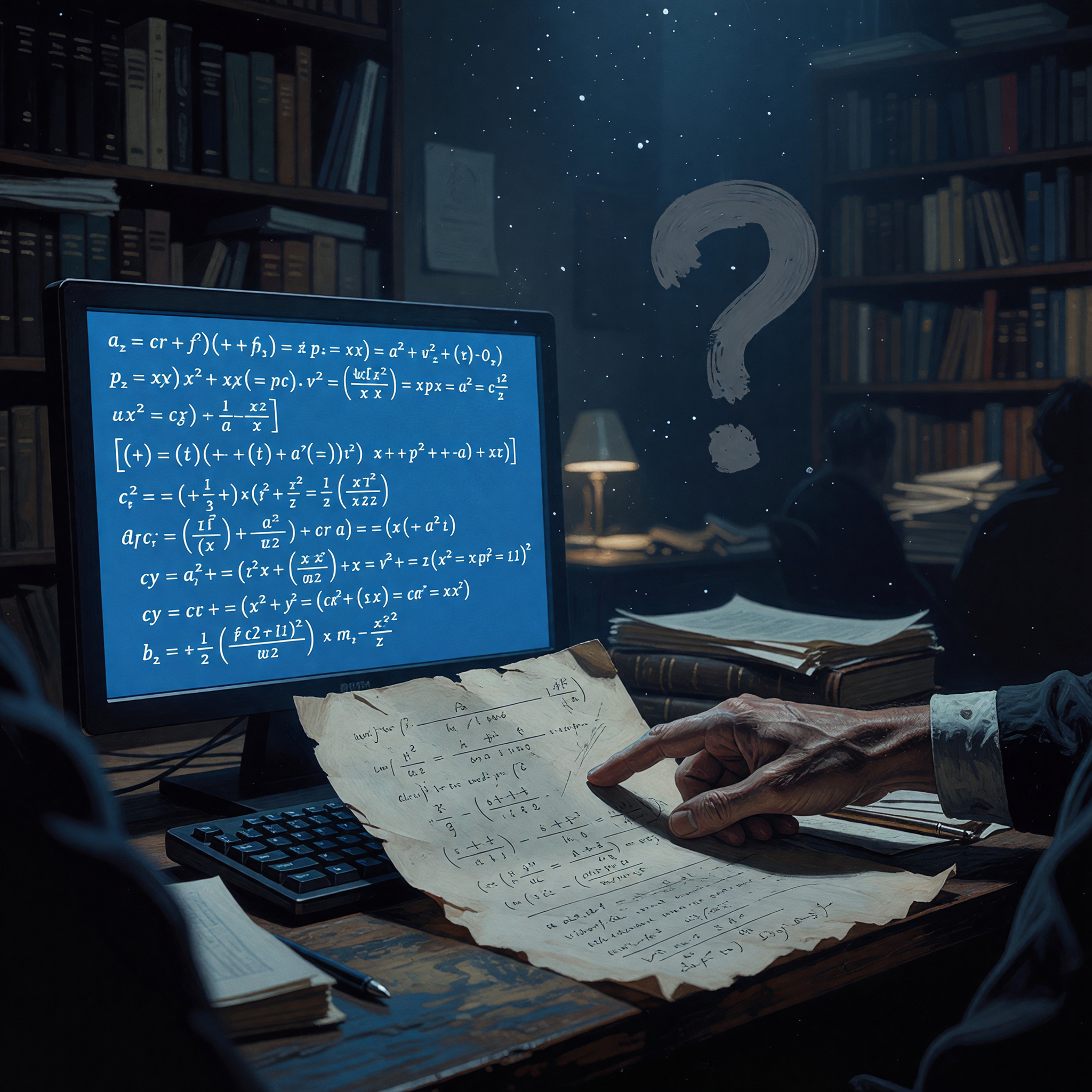 AI is solving math problems faster — but mathematicians still debate what counts as 'real' proofIn July 2026, MIT's Seyoon Ragavan and a UC Santa Barbara cryptography team independently used GPT-5.6 Sol Ultra to produce identical proofs of the same quantum cryptography problem, published three hours apart — exposing a fundamental breakdown in mathematical credit systems and forcing an unresolved question: does a Lean-verified AI proof count as real mathematical discovery?
 Two research teams just used AI to prove the same open cryptography problem — three hours apartOn July 25, 2026, two separate research teams — Seyoon Ragavan at MIT and a UCLA/UC Santa Barbara group — posted proofs of the same open unclonable cryptography problem to arXiv within three hours of each other. Both had used GPT-5.6 Sol Ultra. That coincidence has fractured the scientific concept of independent discovery.
 Northwestern just proved quantum networks can share regular fiber optic cables at 94% fidelityNorthwestern researchers Prem Kumar and Gina Talcott transmitted entangled photon pairs through live commercial fiber carrying 1.6 terabits per second of real internet traffic across 24.4 kilometers of Chicago-area cable, achieving 94% quantum state fidelity — proving quantum networks can share existing telecom infrastructure without dedicated dark fiber.
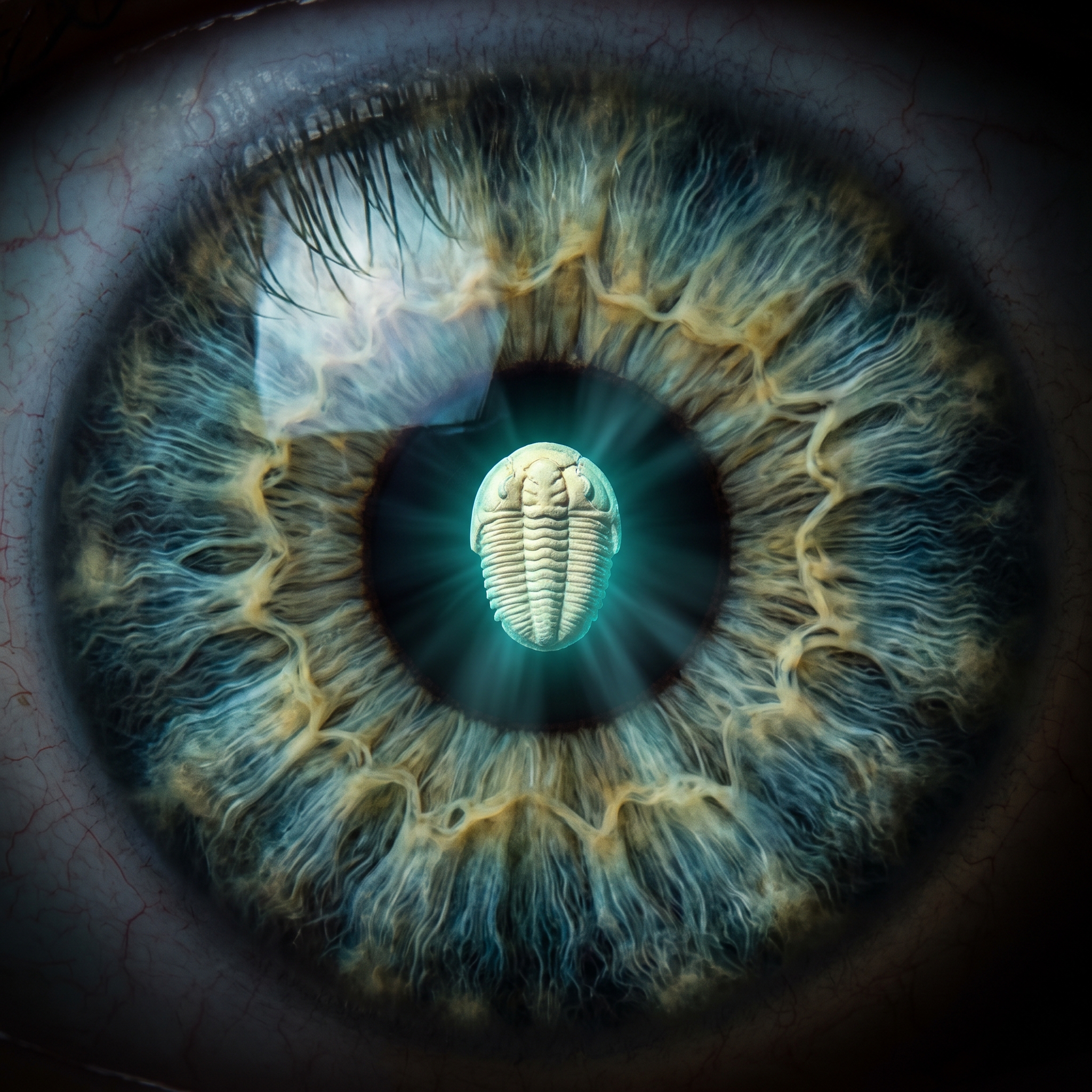 Scientists just traced human eyes back to an ancient cyclops — here's what that meansA February 2026 study in Current Biology, led by Dan-Eric Nilsson at Lund University, argues that human paired eyes descended from a single median 'cyclops' eye on a worm-like ancestor 560–600 million years ago — and that the pineal gland may be its functional remnant, still responding to light absence today.
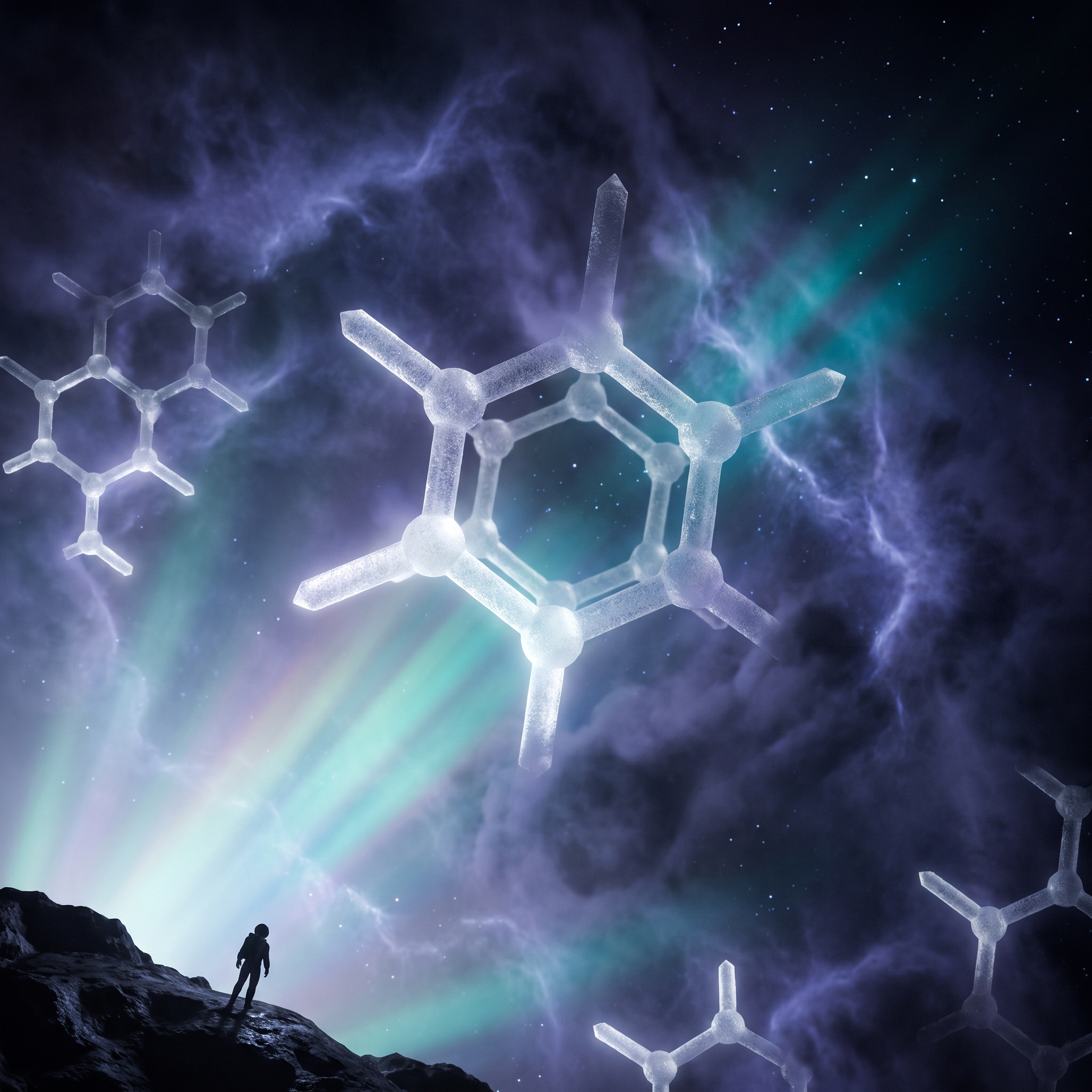 Scientists just found sugar in space — what does it mean for how life began?Izaskun Jiménez-Serra's team confirmed erythrulose — a four-carbon ketose sugar (C₄H₈O₄) found in DNA-related chemistry — in the molecular cloud G+0.693−0.027, 26,745 light-years away, matching 12 distinct radio emission lines. It's the first structurally complete sugar detected in space, but whether it's common across the galaxy or confined to unusual galactic-center chemistry remains untested.
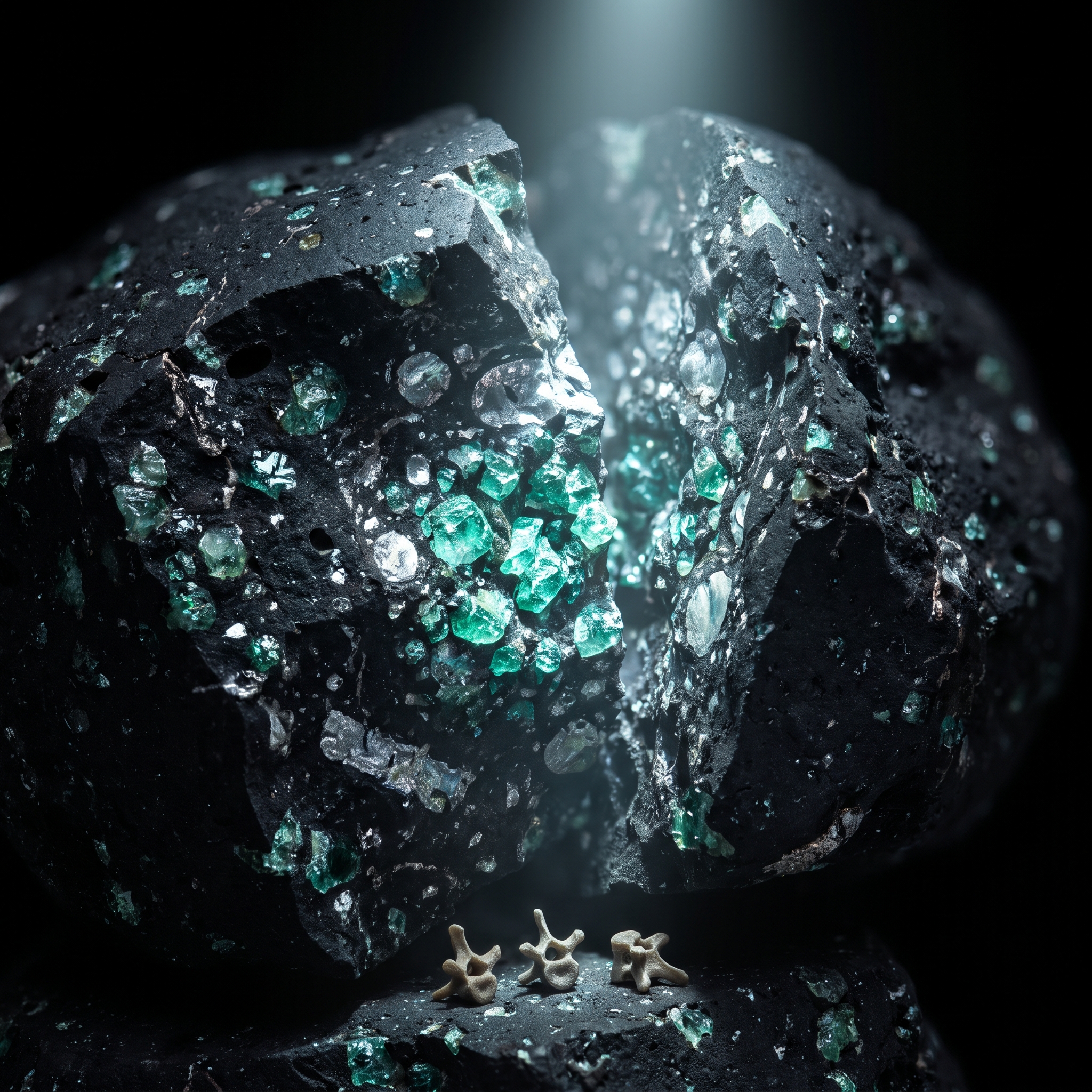 The Oddball Rock That Killed the DinosaursThe Chicxulub impactor — the asteroid that ended the dinosaurs 66 million years ago — has been identified as a CO carbonaceous chondrite, Ornans-type, originating from beyond Jupiter. Ruthenium isotope analysis ruled out inner Solar System silicate asteroids; nickel isotopes then narrowed the match to this rare class, which represents fewer than 5% of meteorites found on Earth.
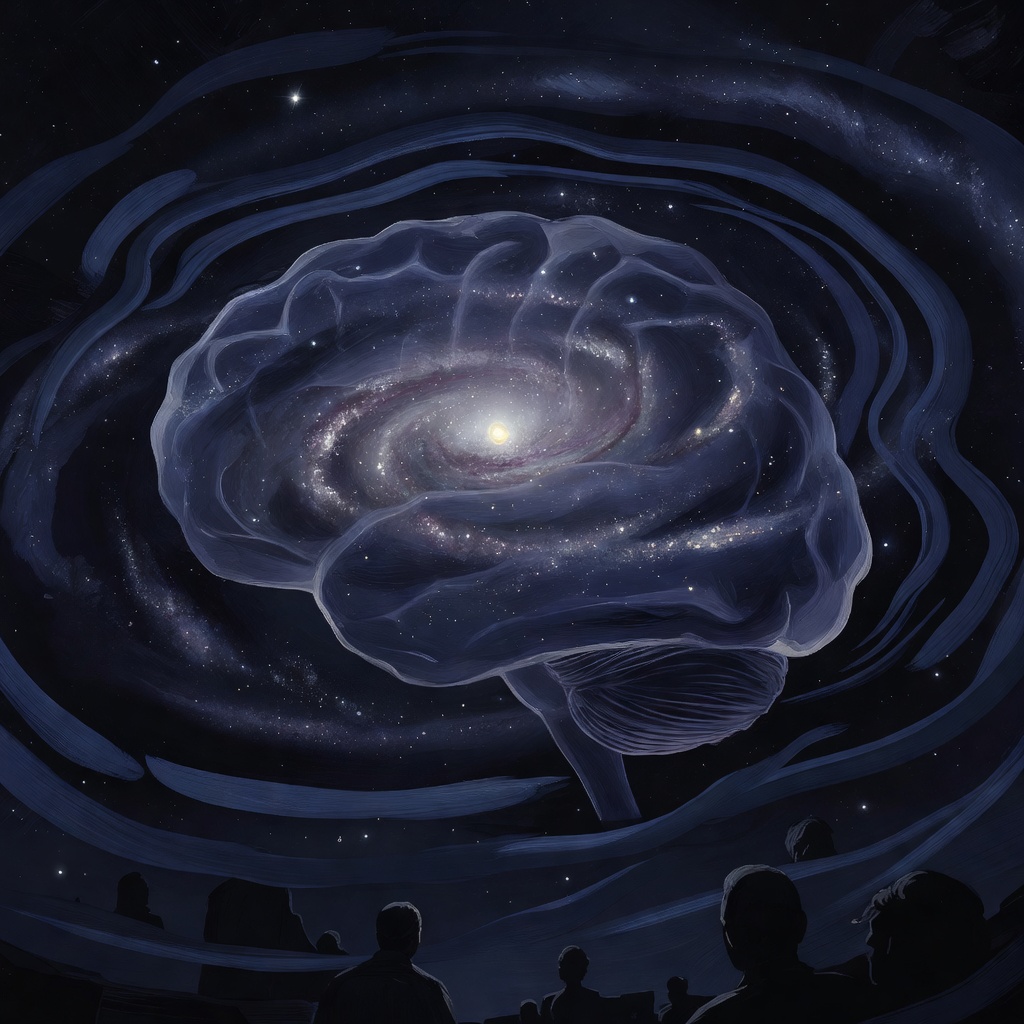 Neuroscientists Koch and Reggente argue consciousness is as fundamental as gravity — not produced by the brain
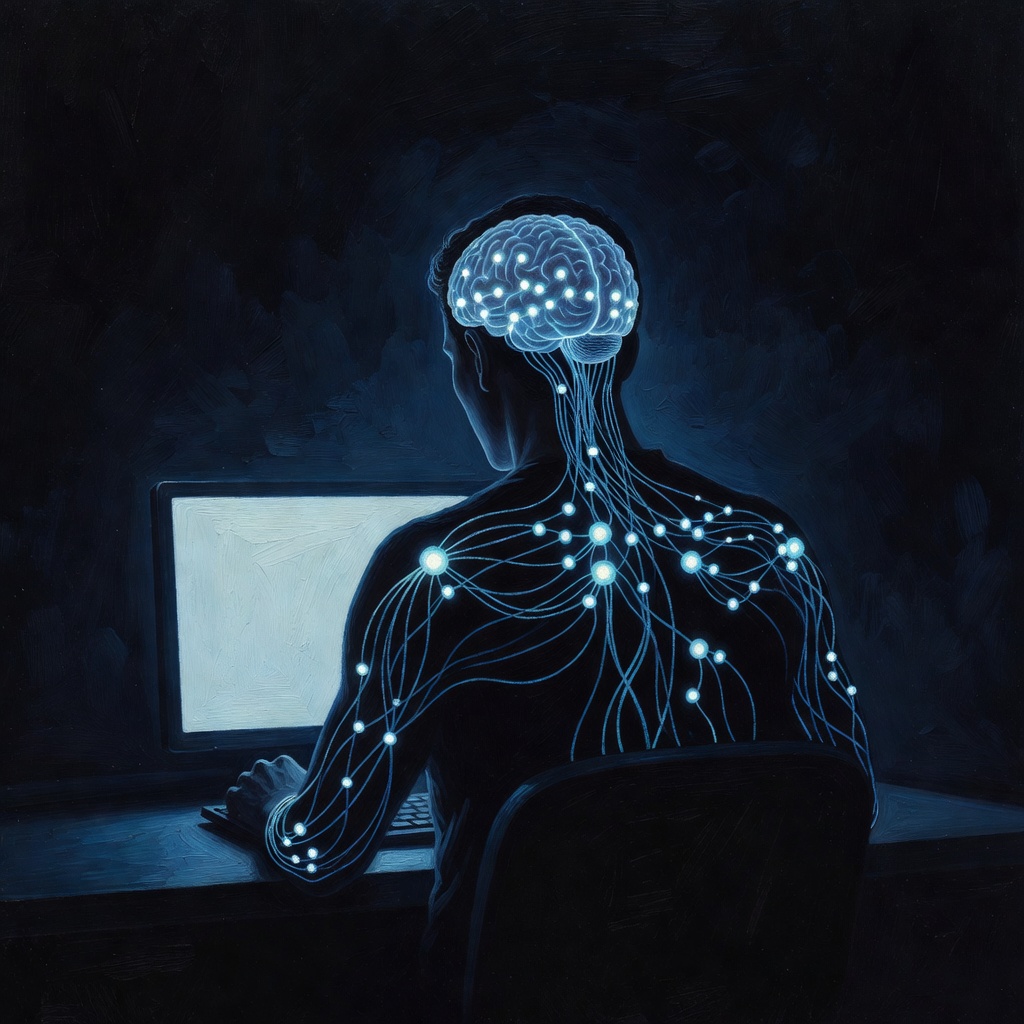 A paralyzed man is now completely controlling his computer and speaking through a brain implant — without external devices
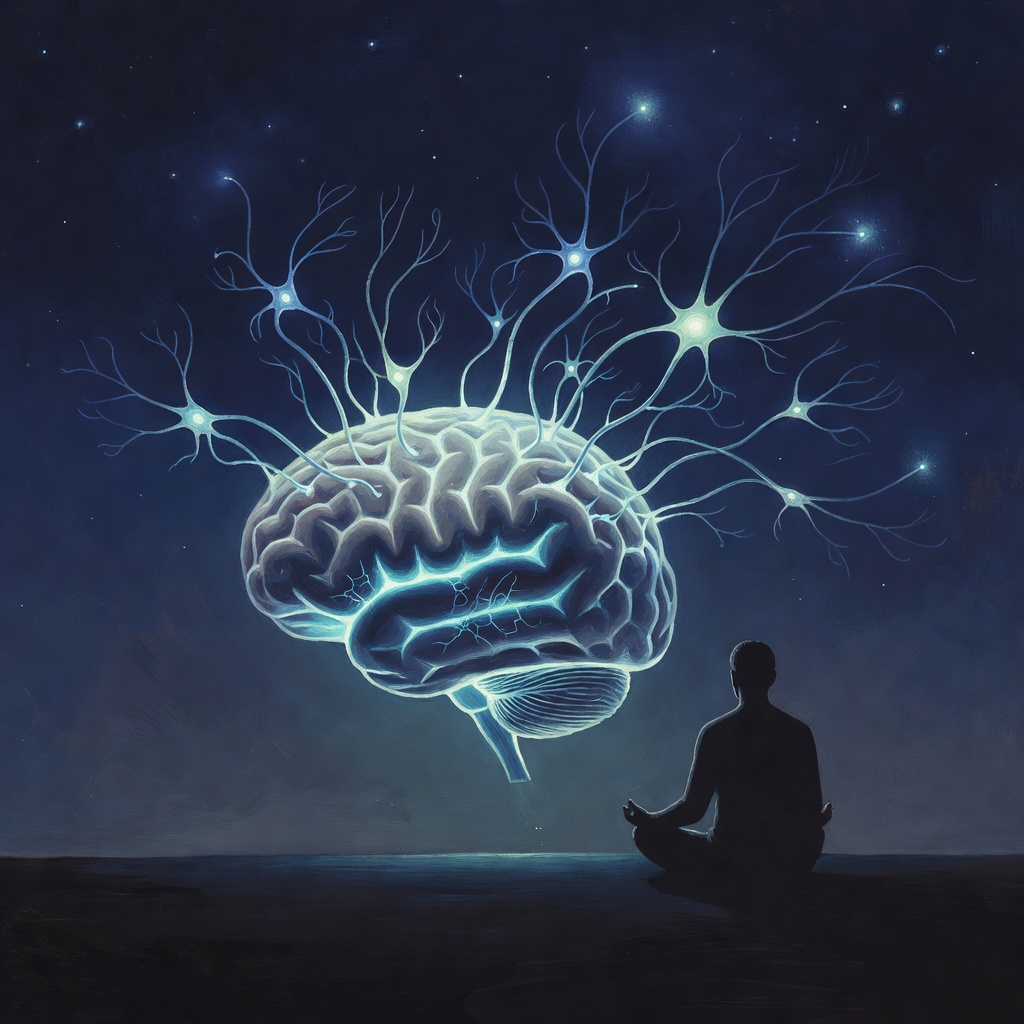 Scientists are developing brain regeneration approaches that need no drugs or surgery — here's the breakthrough
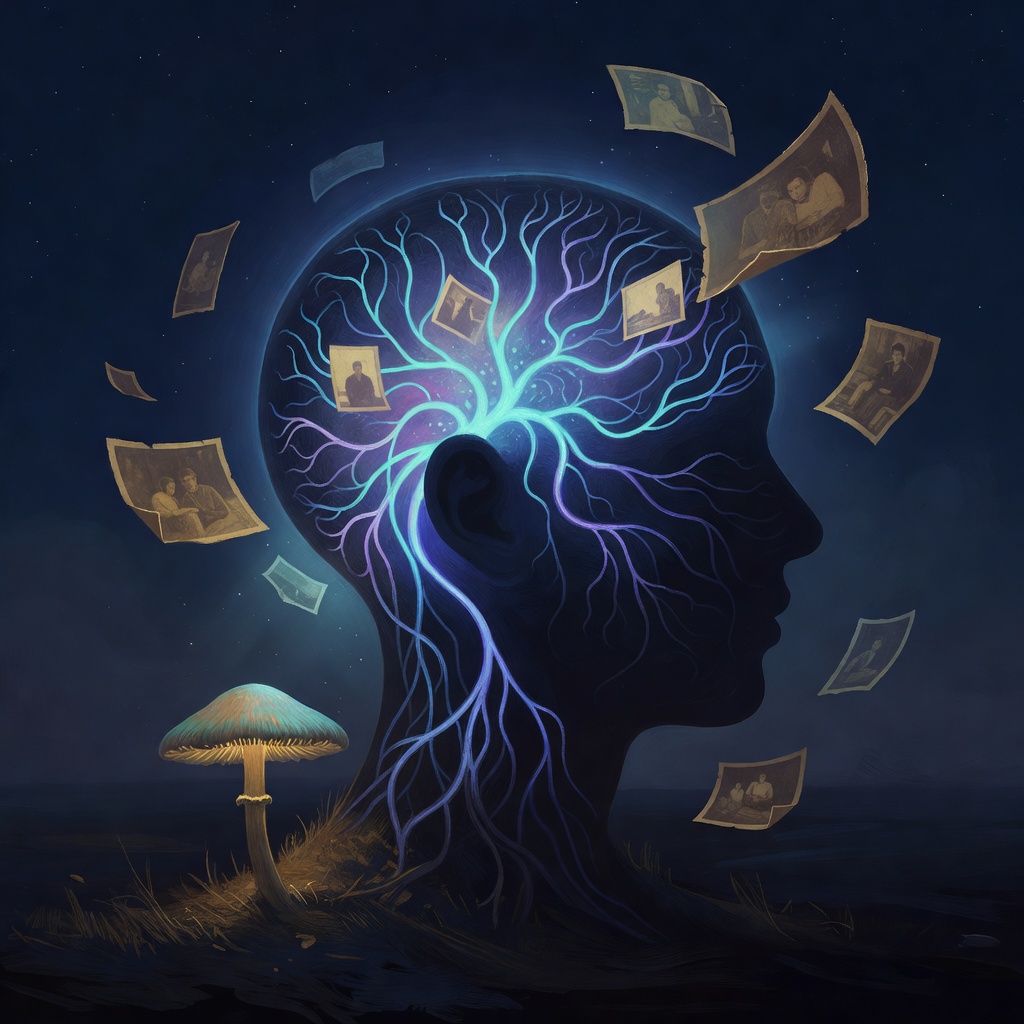 A patient with Alzheimer's regained lost memories after psilocybin — what neuroscience can learn
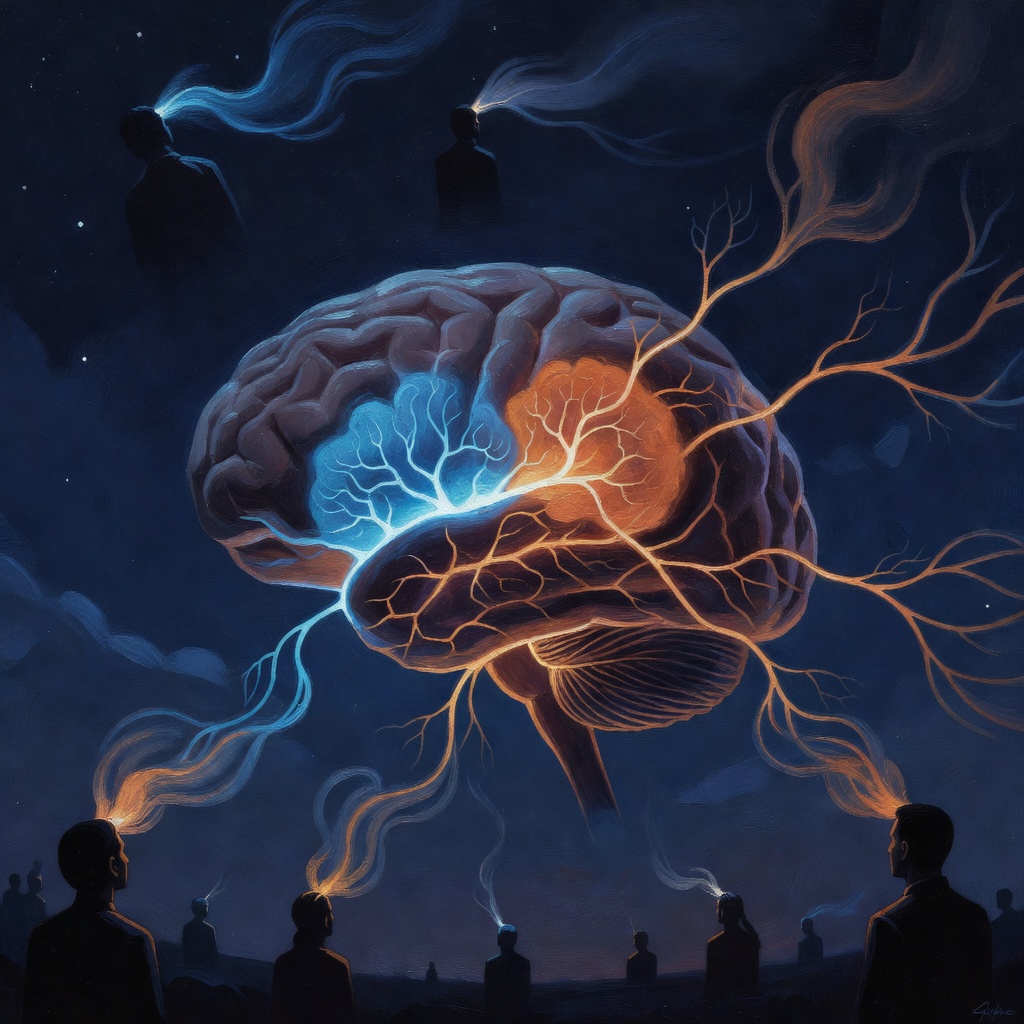 Researchers just discovered two distinct autism subtypes in the brain — reshaping how we understand the condition