Topic · 24 episodes
Culture
Culture is fracturing along generational, institutional, and workplace lines. Onpode's coverage spans British youth pride collapsing from 81% to 40% as institutions deprioritised heritage, the internalized exhaustion behind tech's long-hours culture, and the gap between corporate openness signaling and unchanged workplace hierarchy. Clive Davis's legacy in music and the contradiction of a CEO praising Gen Z informality while declining a drink illustrate how cultural norms shift unevenly — celebrated in theory, resisted in practice.
Frequently asked
Why has youth pride in Britain declined so sharply?
Youth pride in Britain fell from 81% to 40% between 2004 and today, a drop historian Rafe Heydel-Mankoo attributes to institutions deprioritising Western cultural heritage. Notably, Germany and France increased cultural celebration over the same period yet still saw youth pride decline, suggesting policy alone cannot explain the collapse.
Is 7-day work week culture in tech exploitation or ambition?
Tesla employee Mohammad Salman's June 2026 Instagram post showing a 54-hour, seven-day workweek sparked global debate — not because he complained, but because he didn't. His neutral tone illustrated how long-hours culture can be so thoroughly internalized that exhaustion is reframed as personal ambition rather than recognised as exploitation.
How is Gen Z changing workplace formality norms?
In June 2026, InstaAstro CEO Nitin Verma posted about a Gen Z intern who invited him for drinks using only his first name. Verma publicly praised the informality but declined the invitation — a contradiction that reveals the gap between corporate openness signaling and the workplace hierarchies that remain quietly unchanged beneath it.
Episodes
 Meta just paid $567 million for failing to shield minors on its platforms from public nuisance and harmA New Mexico judge on August 6th ordered Meta to pay $567 million into an abatement fund after finding Facebook and Instagram constitute a public nuisance harming youth mental health. Combined with a $375 million Phase 1 verdict, Meta faces $942 million total — yet the ruling explicitly left infinite scroll and autoplay untouched.
 A viral Kenyan craze 'Bag ni Ya Nini' just ignited a Gen Z versus Millennial battle onlineKenya's 'Bag ni Ya Nini?' trend — meaning 'what is the bag for' — started when someone clipped four seconds of Kapitani's song 'Kitemeo' and posted it on TikTok. The 'generational war' framing traces to a single LinkedIn post and one Citizen Digital article; X engagement on the supposed conflict peaked under ten likes.
 TikTok creator Sydney Towle, who shared her cancer journey with 1.1 million followers, has died at 26Sydney Towle, a TikTok creator with 1.1 million followers, died on August 6, 2026, at 26 after documenting her stage 4 cholangiocarcinoma diagnosis — a bile duct cancer rarely seen under 50 — from age 23 through chemo, clinical trials, a Barcelona trip post-liver surgery, Miami Swim Week modeling, and hospice.
 Charli XCX's latest album is being read as a direct attack on artistic overthinking itselfCharli XCX's Music, Fashion, Film (July 24, 2026, 30 minutes, Atlantic Records) is a record explicitly about not overthinking — yet its Paris Fashion Week origin story, Saint Laurent backdrop, and Apple Music explanatory interview one week later form one of pop's most meticulously engineered 'spontaneity' narratives.
 A Nantucket shop's ban on influencers just sparked a viral debate about digital culture and accessJohn Sylvia of Four Winds Craft Guild — a Nantucket shop dating to 1948 — had a local artist handcraft a 'No Influencers' sign in nautical gold script. When shopkeeper Jessica Jenkins posted a photo of it on Instagram in late July 2026 and Instagram removed the post, the removal amplified the story to BuzzFeed, People, the Boston Globe, and beyond.
 A viral fan photo just reignited intense debate over Ariana Grande's appearance before her Petal releaseA photo of Ariana Grande posing with a teenage fan at her Montreal Eternal Sunshine Tour stop went viral on July 30, 2025 — one day before her eighth album, Petal, dropped. The post's 14,000-like caption sparked a concern-versus-body-shaming debate whose actual scale, location, and sourcing remain unverified.
 Lupita Nyong'o as Helen of Troy sparked fury — Jon Bernthal just fired back at the criticsJon Bernthal defended Lupita Nyong'o's casting as Helen of Troy in Christopher Nolan's $250 million Odyssey against seven months of racist backlash — but Emily Wilson, the first woman to translate The Odyssey into English, whose work Nolan credited, called the film 'abysmal' for a different reason: Nyong'o was cast and then given almost nothing to do.
 Zendaya's ancient earrings sparked backlash online — controversy around their complex originsZendaya wore 2,700-year-old Iranian medallions from the Ziwiye hoard — one of antiquity's most significant collections — at a London photocall for Christopher Nolan's The Odyssey. Jeweler Glenn Spiro, who publicly collects 'regardless of provenance,' mounted them in diamonds and gold. The backlash mislabeled it cultural appropriation; the real issue is the antiquities market.
 Whoopi Goldberg pushes back on right-wing criticism of The Odyssey, telling detractors not to see itChristopher Nolan's The Odyssey earned $300 million opening weekend despite seven months of right-wing backlash over Elliot Page's casting — backlash built on a factual error: Page plays Sinon, a character Nolan invented, not Achilles. The film's commercial success proves Nolan's specific brand survived the campaign, not that the machinery stopped.
 Lizzo's Sports Illustrated cover sparks debate: is the magazine reflecting culture or reshaping it?Lizzo — born Melissa Jefferson — appears on the July 2026 Sports Illustrated Swimsuit digital cover wearing Yitty, her own brand, after intentionally gaining roughly twenty pounds. A ten-year study of magazine ads shows diverse bodies still largely absent from ad pages, raising the question: is the cover a cultural mirror or just a high-profile window display?
 Gen Z rejects 'romanticized struggle' — sparking a generational values clash with Indian parentsIndian Gen Z is rejecting what they call 'compliance theater' — performing deference and endurance as proof of value — not rejecting hard work. When Noida CEO Nitin Verma flagged an intern's 'casual disregard for hierarchy,' he named the real conflict: loyalty and output are being decoupled from ritualized suffering.
 Britain stopped celebrating its own culture — historian links abandonment to youth pride declineYouth pride in Britain dropped from 81% to 40% between 2004 and today — a fall historian Rafe Heydel-Mankoo attributes to institutions deprioritising Western cultural heritage. But Germany and France increased cultural celebration over the same period and still saw youth pride decline, suggesting celebration policy alone cannot explain the collapse.
 Stevie Wonder remembers Clive Davis, music's titan who shaped decades of industryClive Davis, the Harvard-trained lawyer who signed Janis Joplin, discovered Whitney Houston, and orchestrated Santana's eight-Grammy Supernatural, died June 22 at 94. Stevie Wonder's CNN tribute praised his unconditional championing of artists — while Davis's 1973 Columbia firing and his battle with Kelly Clarkson over creative control went unmentioned.
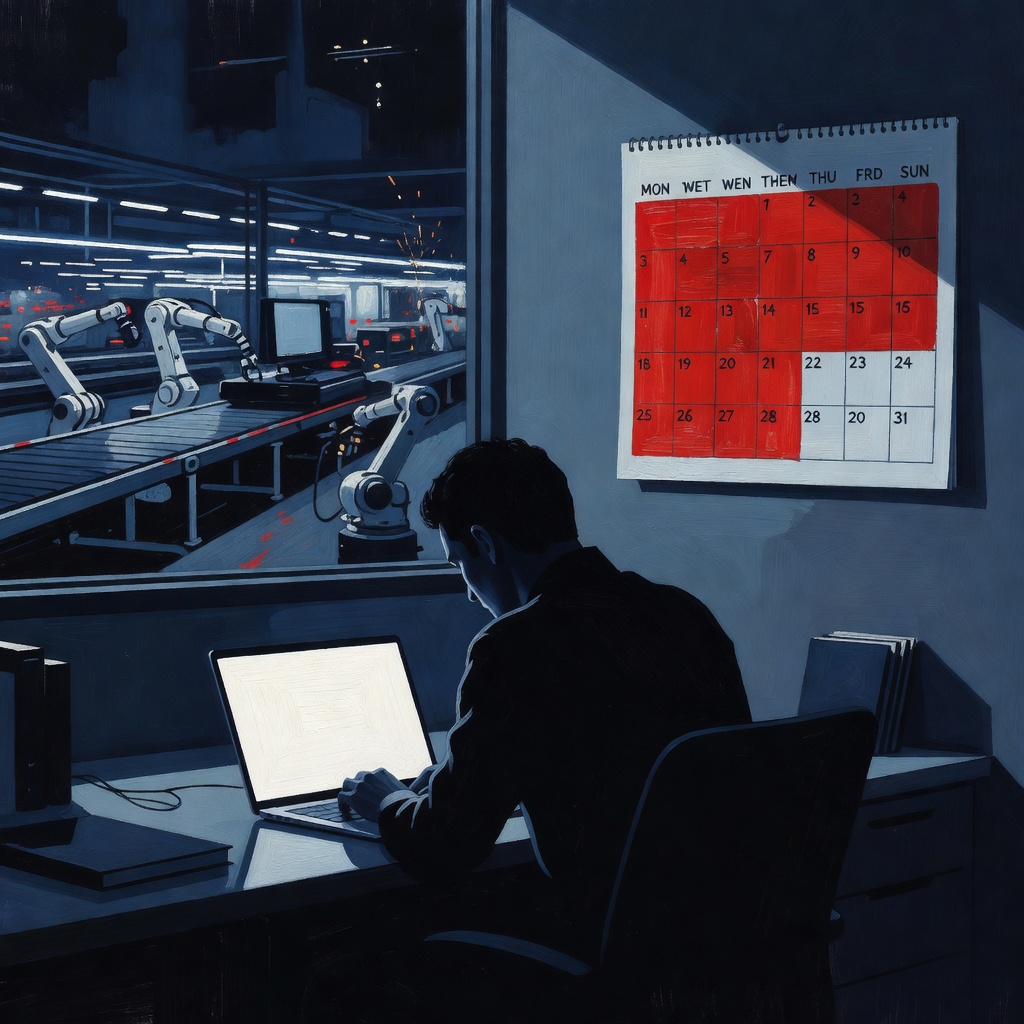 Tesla employee's viral post revealing 7-day work weeks reignites tech industry exhaustion debateTesla employee Mohammad Salman's June 2026 Instagram post showing a 54-hour, seven-day workweek sparked global debate — not because he complained, but because he didn't. The neutral, almost clinical tone revealed how thoroughly long-hours culture can be internalized as ambition rather than experienced as exploitation.
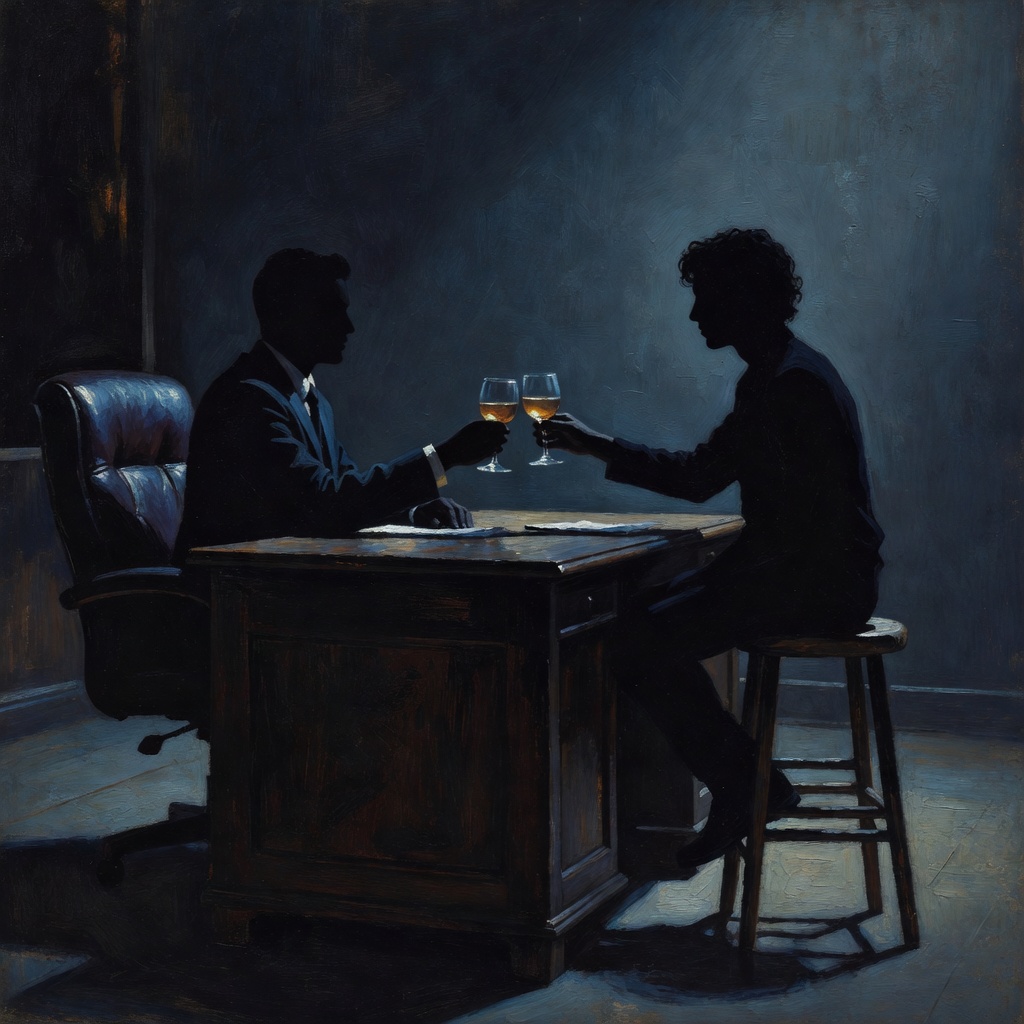 A Gen Z employee casually invited their CEO for a drink — sparking debate on workplace formality normsOn June 23, Nitin Verma, CEO of Noida astrology startup InstaAstro, posted on LinkedIn about a Gen Z intern who invited him for drinks using only his first name. Verma praised the moment but declined the invitation — a contradiction that exposes the gap between corporate openness signaling and unchanged workplace hierarchy.
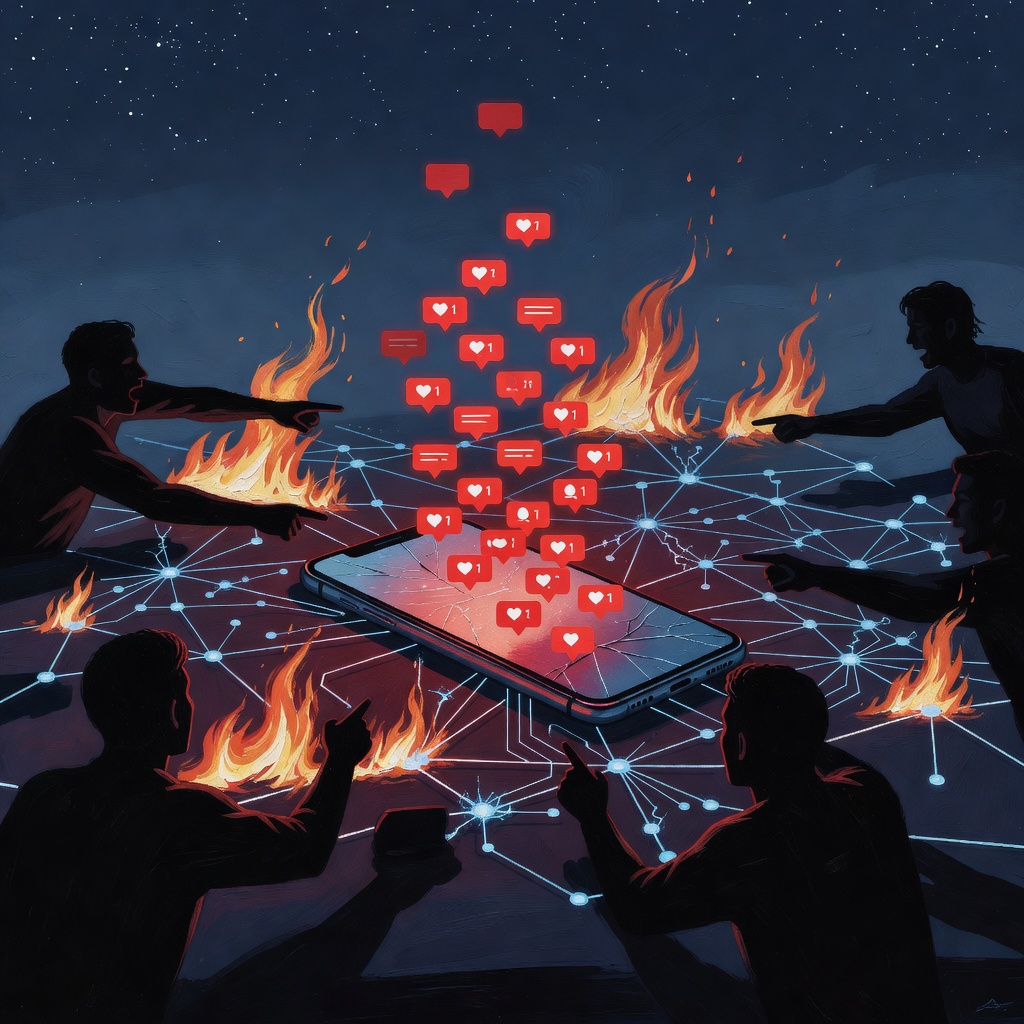 Why algorithmic feeds reward outrage, novelty, and extremity — the mechanism
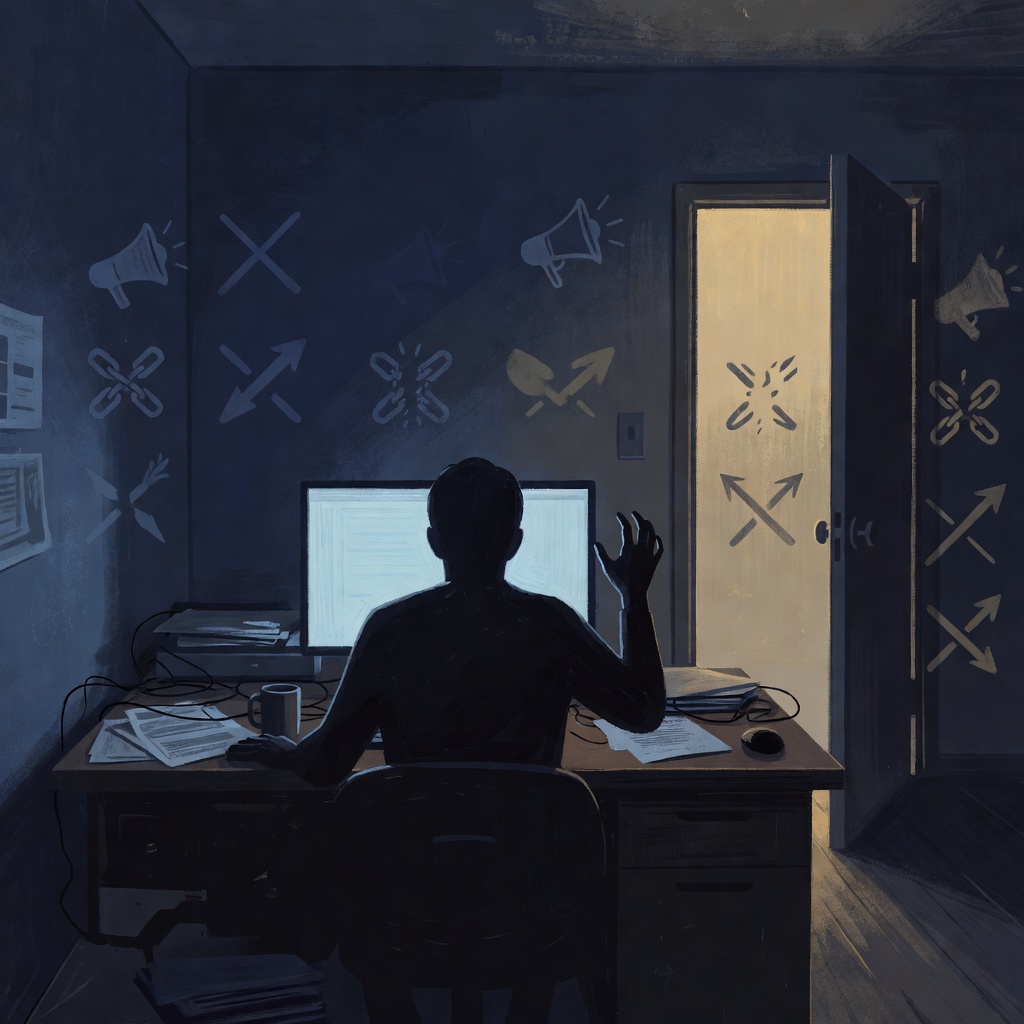 Content creator's 'stop complaining and quit' workplace rant splits the internet on labor culture
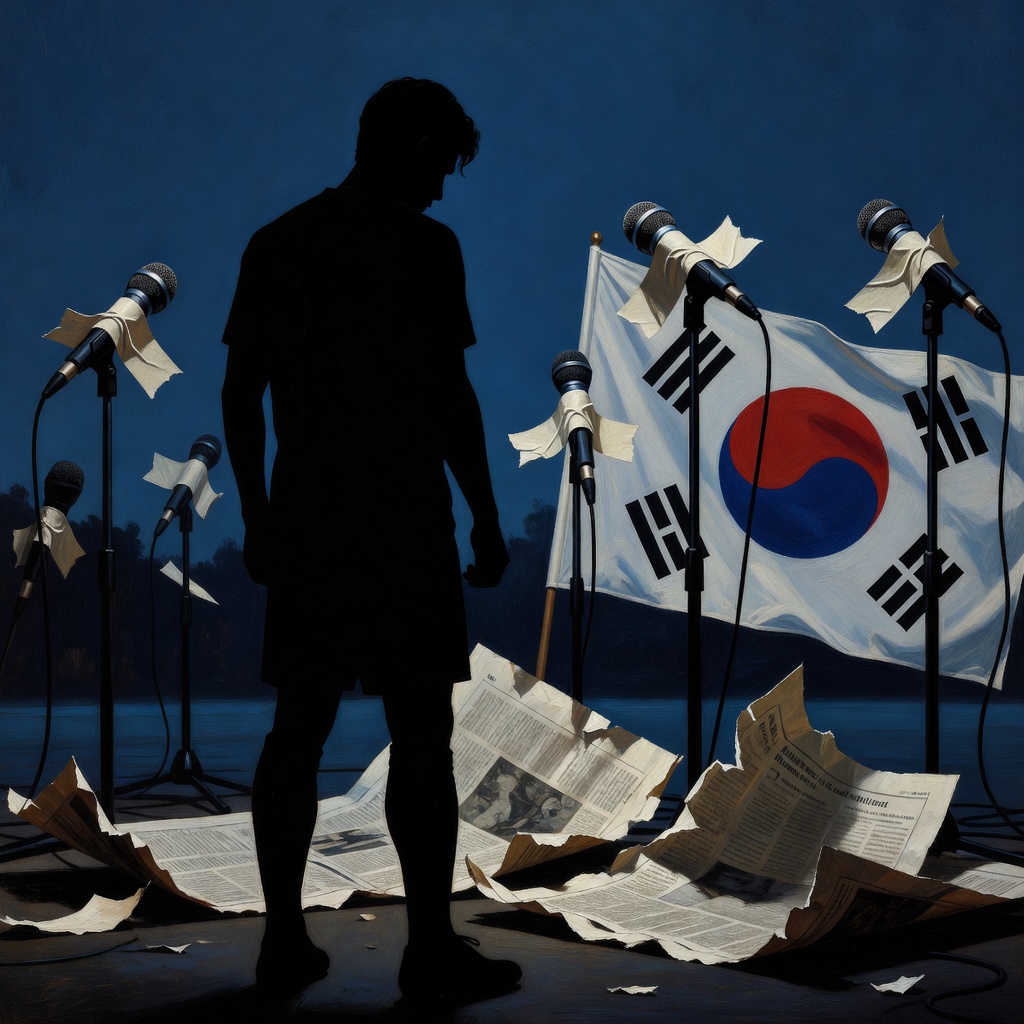 South Korea's football team just boycotted its own media — the Son Heung-min controversy behind it
 Videos of Japanese fans cleaning stadiums sparked a culture war — discipline or right-wing signaling?
 MrBeast, Taco Bell, and venture capital are betting big on AI-powered video clipping — here's the bet
 Video captures exact moment New York lost its mind over Knicks' historic 1973 championship win
 Political campaigns court influencers, but internet stardom doesn't always convert to votes
 UK's Starmer just announced a blanket social media ban for everyone under 16
 Schools report students can't cope with opposing views — debate culture collapsing