Company · 34 episodes
SpaceX
SpaceX went public on June 12, 2026, in the largest IPO in history — raising $75 billion at a $1.77 trillion valuation despite a net loss on $18.7 billion in 2025 revenue. Within days, the company announced a $60 billion acquisition of AI coding platform Cursor. Meanwhile, a federal land swap tied to SpaceX's Texas launch site has triggered lawsuits from environmental groups and the Carrizo/Comecrudo Nation. The bull case, the governance structure, and the environmental cost are all under scrutiny.
Frequently asked
What was SpaceX's IPO valuation and how does it compare to other IPOs?
SpaceX's June 12, 2026 IPO raised $75 billion at a $1.77 trillion valuation, priced at $135 per share on Nasdaq — making it the largest IPO in history. Shares peaked at $229.40 just four days after listing.
Why did SpaceX acquire Cursor so quickly after its IPO?
SpaceX announced a $60 billion all-stock acquisition of AI coding platform Cursor just four days after its IPO. The option to acquire Cursor had been signed months before the IPO was completed, though the deal was announced only after shares began trading.
What are the governance risks of investing in SpaceX?
Elon Musk holds 85% voting control of SpaceX, meaning there is no independent check on future deals. The company's prospectus cited a potential xAI merger as a risk, and the Cursor acquisition option was signed before the IPO but announced after listing.
What are the environmental concerns about SpaceX's Texas launch site?
The U.S. Fish and Wildlife Service transferred 715 acres of the Lower Rio Grande Valley National Wildlife Refuge to SpaceX after fining the company $150,000 for Clean Water Act violations, receiving only 683 acres in return. Environmental groups and the Carrizo/Comecrudo Nation filed federal lawsuits on June 10–11 to block the swap.
What is the bull case for SpaceX's $1.77 trillion valuation?
The bull case rests on three pillars: Starlink's satellite internet dominance, unproven Starship cost curves, and the potential xAI merger. The company posted a net loss on $18.7 billion in 2025 revenue, making the bull case dependent on future execution across all three.
Episodes
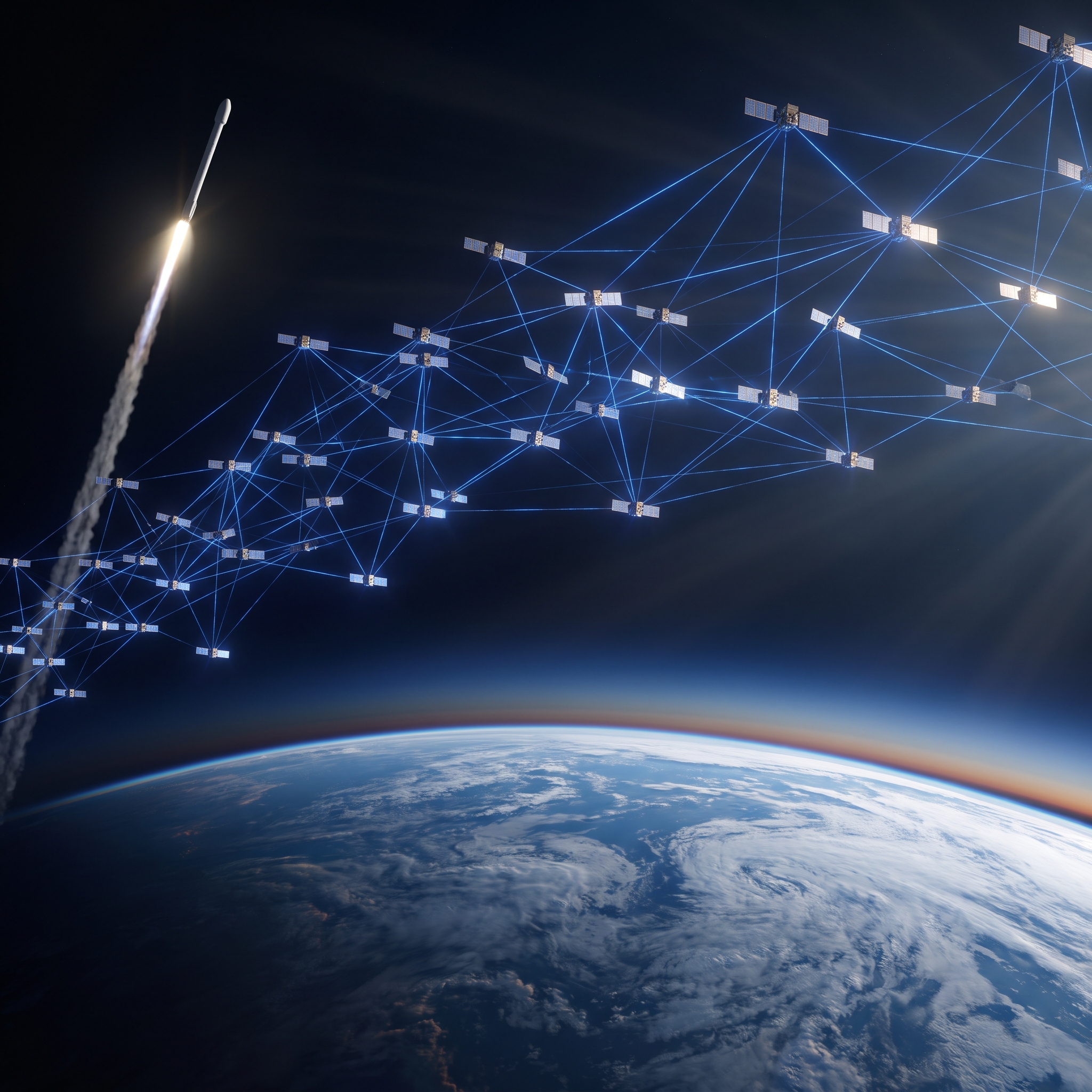 Elon Musk just claimed SpaceX will hit $1 trillion in revenue by 2030—here's what drives that betOn SpaceX's first-ever earnings call, Elon Musk projected $1 trillion in annual revenue by 2030—a 54x increase from SpaceX's $18.67 billion 2025 baseline—requiring 120% compound annual growth every year. Starlink, the only profitable segment, doubled subscribers to 12 million but saw revenue per user fall roughly $20 year-over-year, making the math harder, not easier.
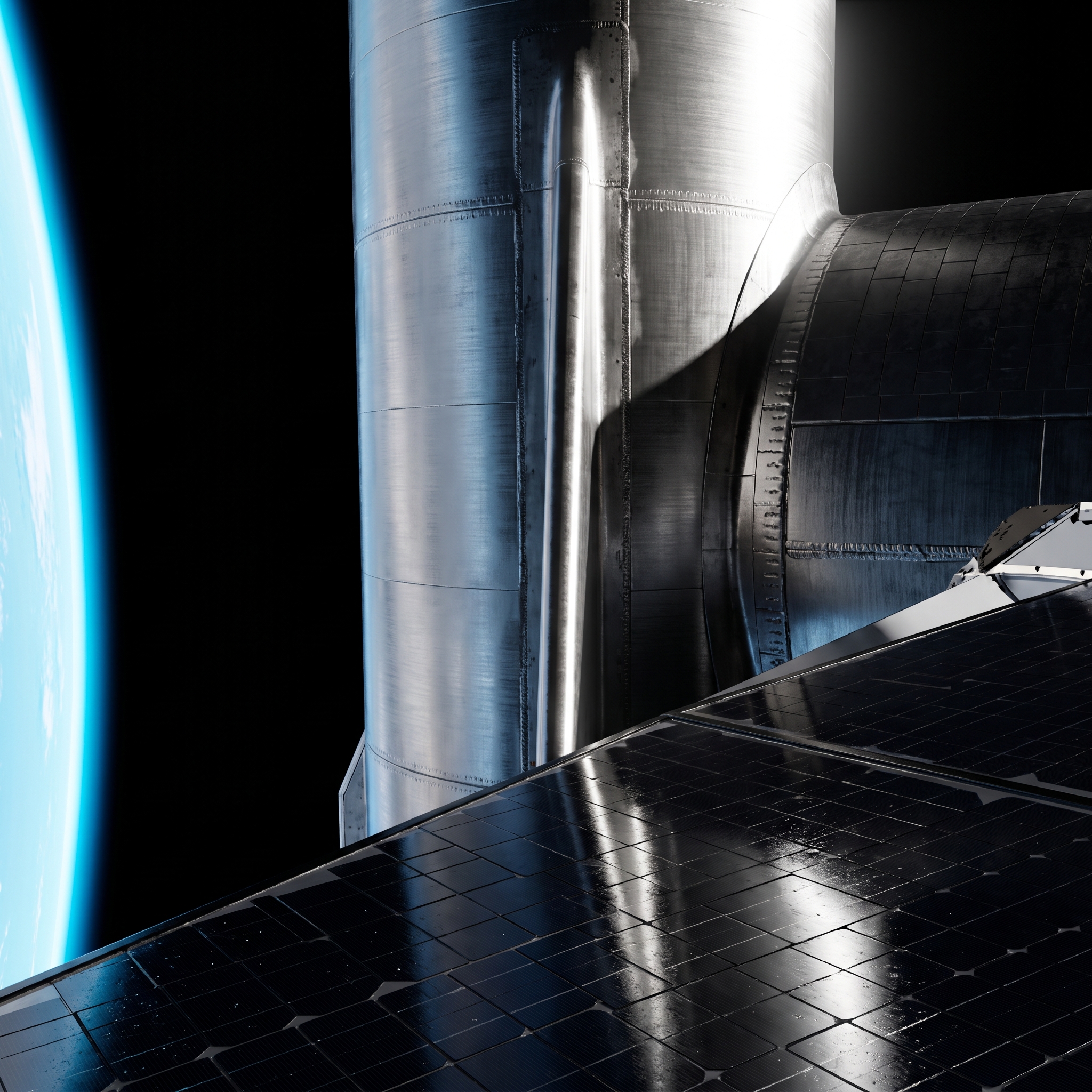 A next-generation Starlink satellite just captured an unprecedented view of Starship drifting through spaceDuring SpaceX's Starship Flight 13, launched July 24, a next-generation Starlink V3 satellite filmed Starship drifting in orbit — a genuine first in satellite-to-spacecraft imaging. But all 20 Starlink V3 test satellites were intentionally destroyed on reentry after just 20 minutes, leaving the 'multi-role constellation' framing well ahead of the evidence.
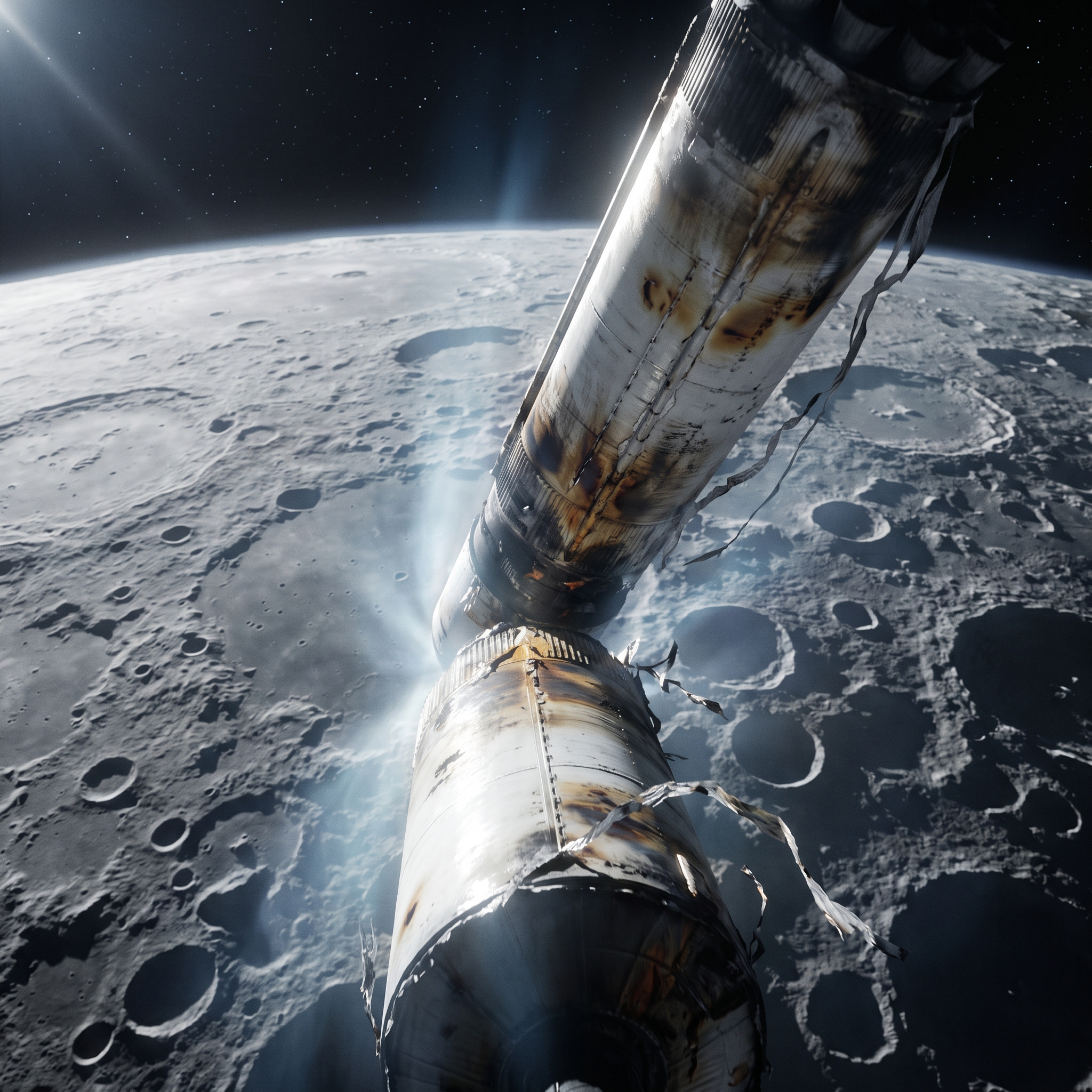 A discarded SpaceX Falcon 9 rocket is hurtling toward the moon at over 5,000 mph this weekA spent SpaceX Falcon 9 upper stage — 4,000 kg, 13.8 meters — will strike the Moon's Einstein Crater on August 5, 2026 at 06:34 UTC, traveling at roughly 5,400 mph. It is only the second unintentional human-made lunar impact in history, and no government agency tracked it: one independent researcher in Maine caught it first.
 Flight 13 deployed satellites flawlessly, but a booster failure reignites debate over Starship's reusability economicsSpaceX Starship Flight 13 successfully deployed 20 Starlink V3 satellites — the first operational V3 deployment — and the upper stage landed intact in the Indian Ocean. But Super Heavy Booster 20 failed its landing burn and was lost, the second consecutive booster loss across V3 operational flights, directly challenging Starship's $15 billion full-reusability economic premise.
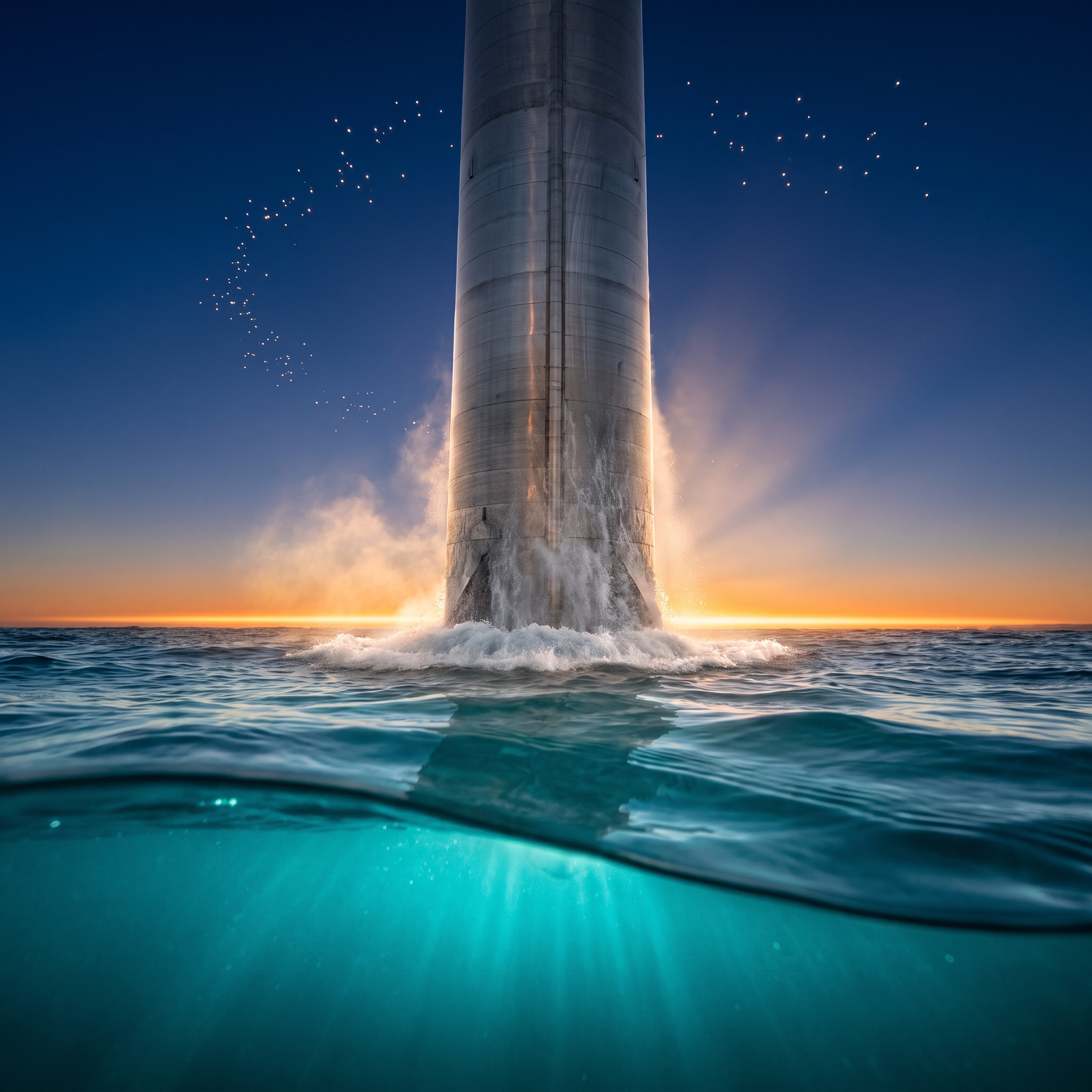 SpaceX's Starship Flight 13 splashed down intact in the Indian Ocean Friday after deploying next-generation Starlink V3 satellitesSpaceX's Starship Flight 13, launched July 24, 2026, deployed twenty functional Starlink V3 satellites — a program first — and the upper stage splashed down intact in the Indian Ocean, transmitting telemetry. But the Super Heavy booster crashed into the Gulf of Mexico for the second consecutive flight, directly threatening the rapid reusability economics Starship's business model requires.
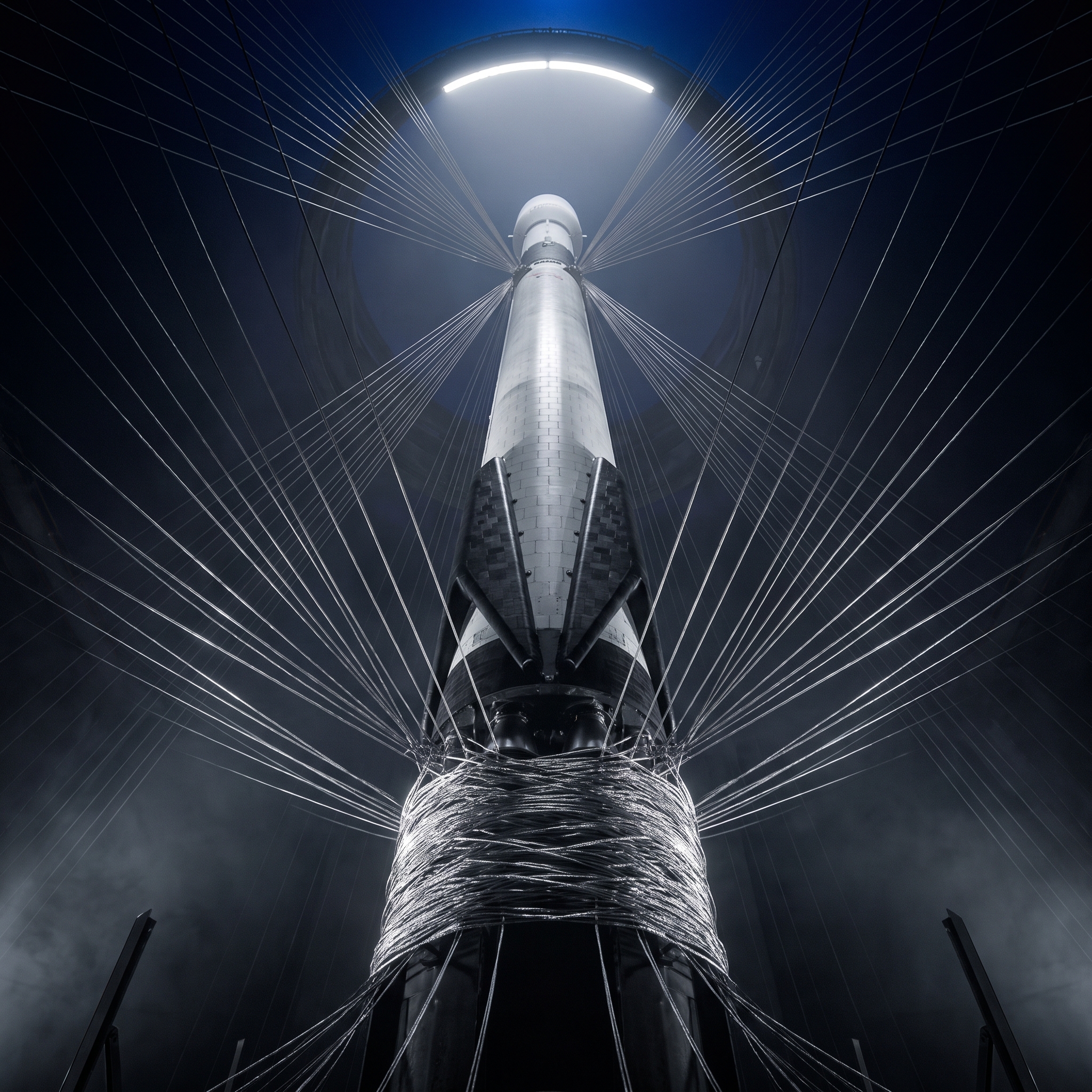 SpaceX faces $25B in short interest while Musk warns shorts are 'unlikely to survive'SpaceX short sellers hold roughly 185 million shares — about 30% of float — worth $25 billion as of mid-July 2026, booking up to $8.7 billion in paper profits after SPCX fell from its $225.64 intraday peak to near the $135 IPO price. Elon Musk's six-word warning that shorts are 'unlikely to survive' may pre-load a retail rally before any covering wave forces an exit.
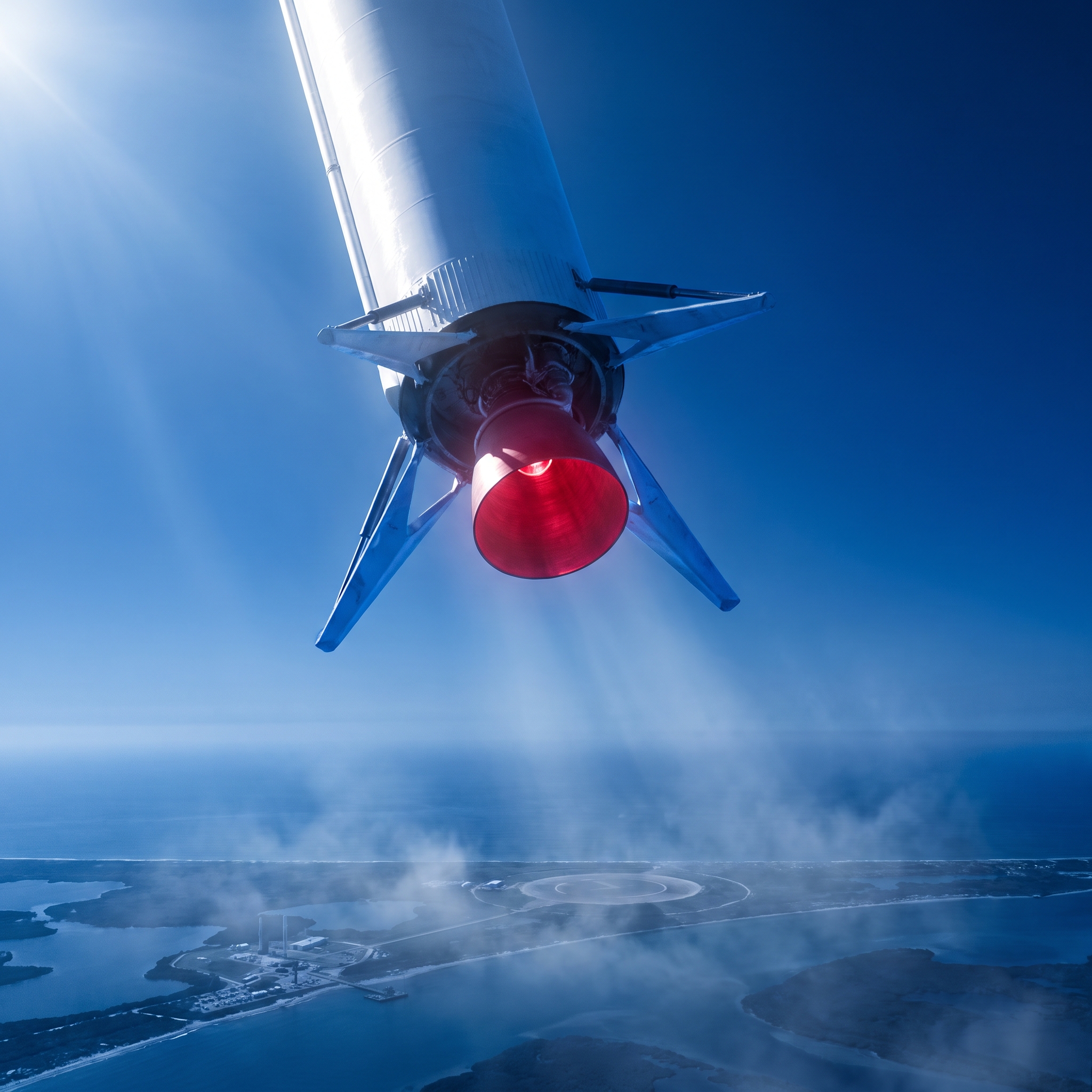 Japan just launched its first test flight of a reusable rocket—competing directly with SpaceX's established marketOn July 11, 2026, JAXA's RV-X prototype flew 11 meters up and 16 meters sideways at Noshiro Rocket Testing Center, then landed safely — a genuine but early vertical-takeoff, vertical-landing milestone. The 'direct SpaceX challenge' framing overstates it: the next target is 100 meters, not orbit.
 SpaceX is building an on-site air separation plant to cut tanker traffic and enable higher launch cadenceSpaceX currently requires more than 200 tanker trucks of liquid oxygen and nitrogen per Starship launch on Highway 4 in Texas. To eliminate that bottleneck, SpaceX contracted Linde to build a $100 million, 159-foot air separation plant near Starbase, targeting spring 2026 — the infrastructure that makes an eight-day launch cadence physically possible.
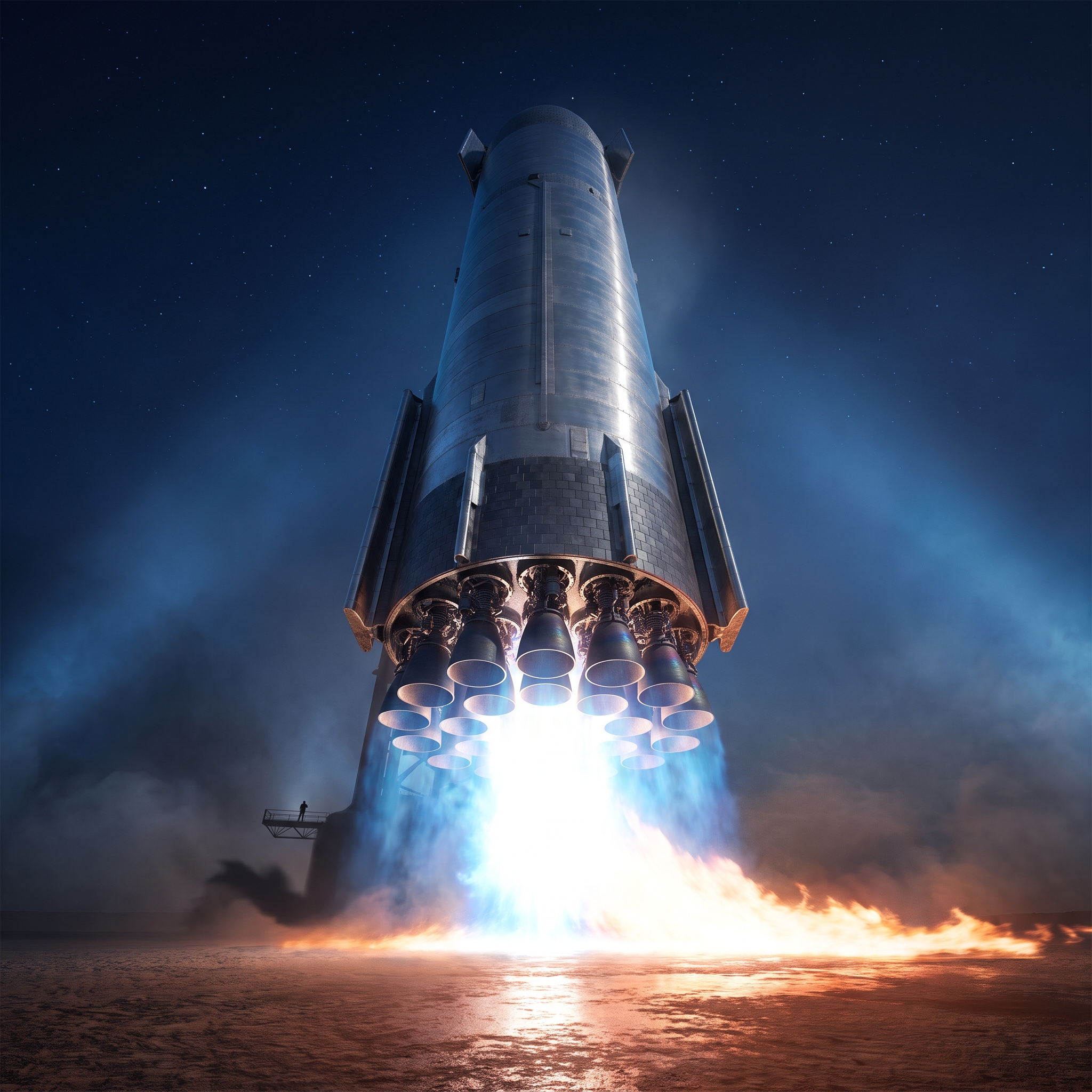 Starship Flight 13: All 33 Engines IgniteSpaceX fired all 33 Raptor 3 engines on Super Heavy Booster 20 simultaneously on July 10, producing 16 million pounds of thrust for 24–25 seconds at Orbital Launch Pad 2. The test mirrored the actual launch burn duration. Starship Flight 13 targets mid-July, pending an FAA launch license.
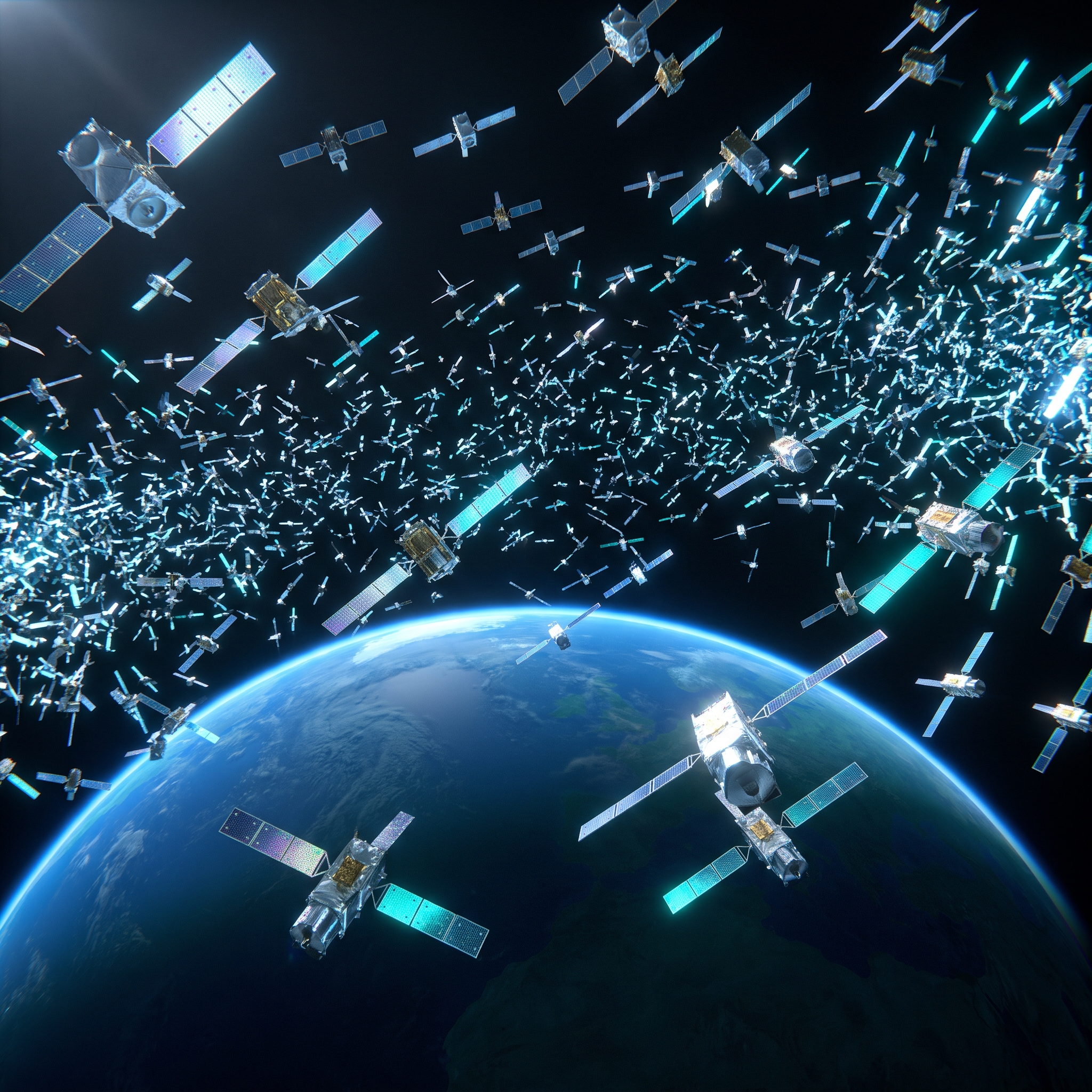 SpaceX wants to launch 100,000 Starlink satellites — a tenfold expansion of its current constellationOn July 6, 2026, SpaceX filed with the FCC to launch 100,000 third-generation Starlink satellites — a tenfold expansion from its current 10,413-satellite constellation, which already represents roughly 75% of all active maneuverable satellites on Earth. SpaceX calls Gen3 the 'communications backbone of the AI age,' targeting multi-gigabit symmetrical throughput.
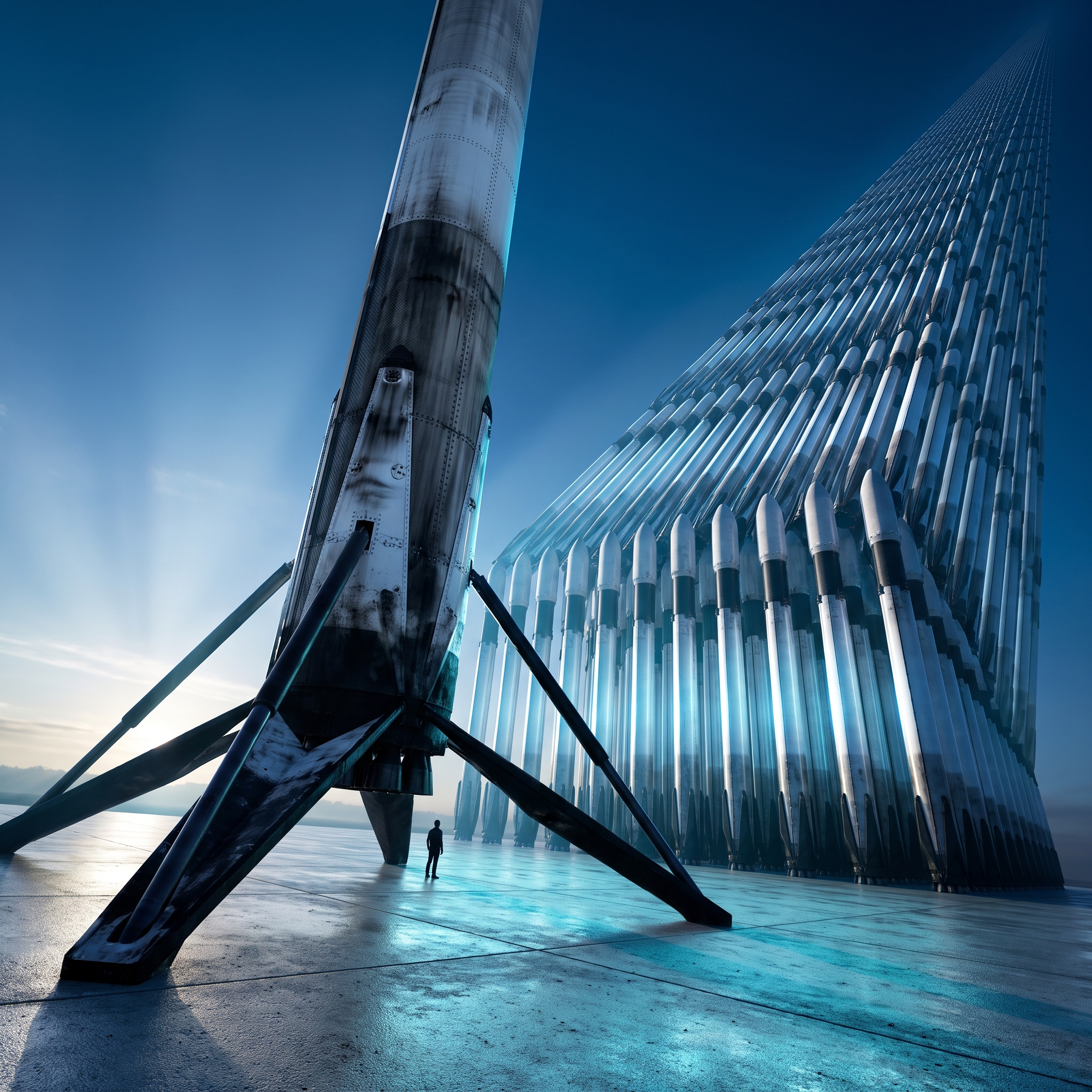 SpaceX launched 165 Falcon 9 rockets in 2025 — one every other day, outflying all of China nearly two-to-oneSpaceX launched 165 Falcon 9 rockets in 2025 — one every 2.2 days — accounting for more than half of all 324 orbital launches worldwide and nearly doubling China's 73–93 launches. Roughly 2,400 tonnes of payload reached orbit, double SpaceX's 2024 figure, driven almost entirely by its own Starlink constellation.
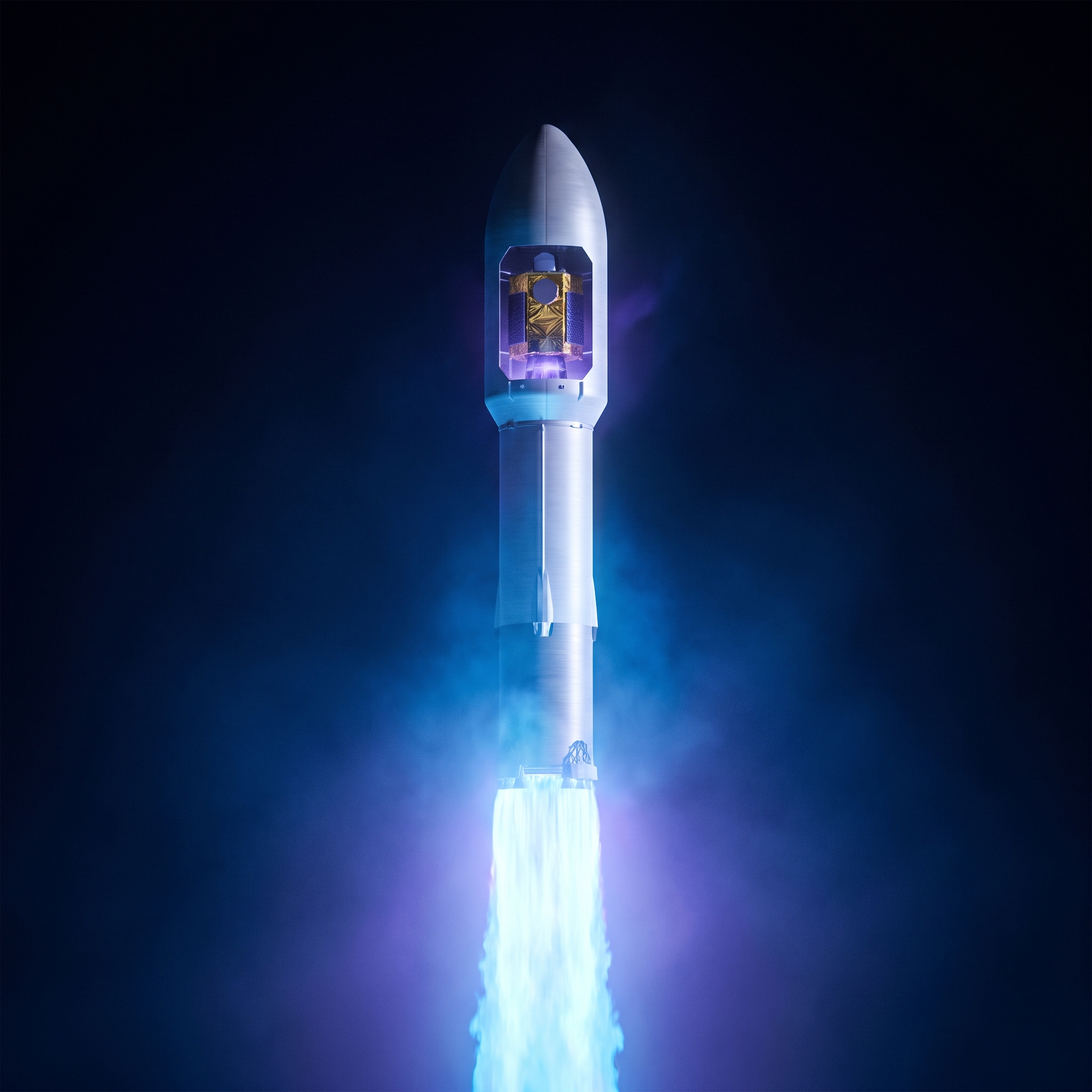 SpaceX just flew the first-ever nuclear-powered commercial satellite aboard Falcon 9On July 7, 2026, SpaceX's Transporter-17 carried BOHR, a CubeSat from Miami startup City Labs, into orbit — the first commercial nuclear payload ever licensed and flown in the U.S. The nuclear component is a betavoltaic battery demonstrator; BOHR's main power still comes from solar panels. The milestone is regulatory, not technological.
 SpaceX just launched Transporter-17, but insiders question the rideshare program's futureSpaceX Transporter-17 launched 81 payloads on July 7th — including BOHR, the first commercial nuclear-powered CubeSat — and crossed 1,800 cumulative rideshare payloads. Then SpaceX quietly closed booking slots through 2028 with no public statement, leaving small satellite operators facing a two-to-three-year launch gap with no comparable alternative ready.
 SpaceX's second-in-command just donated $320 million to Trump accounts — what it means for the companySpaceX President Gwynne Shotwell donated approximately $320 million of SpaceX stock to Trump Accounts on July 6, 2026 — a federally branded children's savings program named after the sitting president whose administration controls SpaceX's roughly $11.8 billion in federal contracts. CEO Elon Musk, whom Trump publicly named as his expected donor, stayed silent.
 SpaceX chases 1 gigawatt in orbit by 2027 — but space cooling and solar power are the real limitsSpaceX is targeting 1 gigawatt of orbital AI compute by late 2027 via its AI1 satellite, which carries 150 kW peak payload and a 70-meter solar wingspan. The binding constraint is not solar power but thermal cooling: in the vacuum of space, computers shed heat only by radiating infrared light off physical panels.
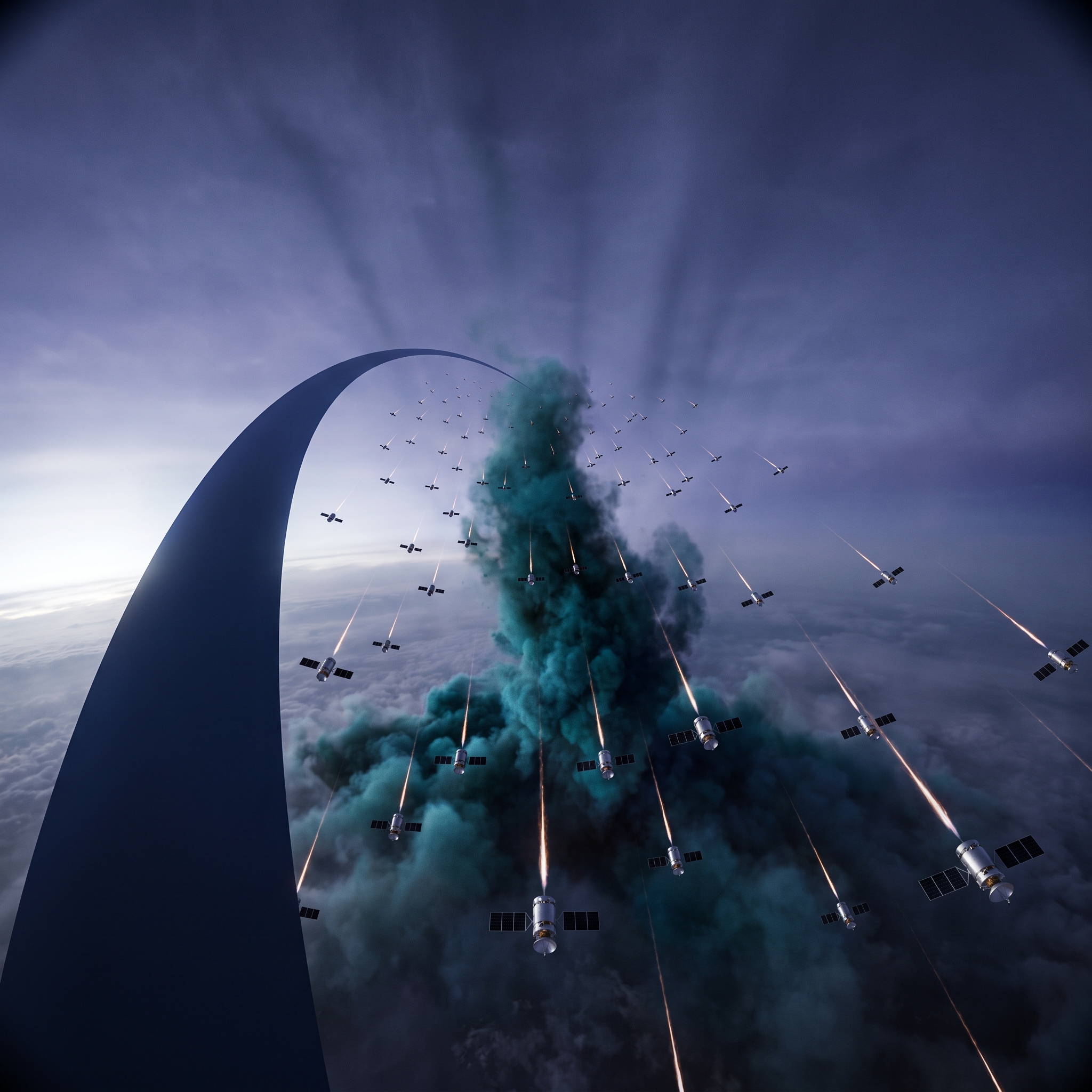 SpaceX's 260 burned-up Starlink satellites spark fresh debate — reentry soot 500x worse than ground emissionsSpaceX burned up 260 Starlink satellites in six months — roughly four to five per day — while 349 more await the same fate. A University College London study found reentry soot is 500 times more climate-damaging per unit mass than ground-level emissions, a risk the FCC's disposal-focused mandate was never designed to measure.
 SpaceX hits Nasdaq-100 just 15 trading days after IPO — fastest major index inclusion everSpaceX (SPCX) joined the Nasdaq-100 on July 7, 2026 — just 15 trading days after its June 12 IPO — the fastest major index inclusion on record. Approximately $4.3 billion in forced passive inflows hit a stock with only a 3–5% public float, creating mechanical price pressure that has nothing to do with SpaceX's fundamentals.
 Experts say SpaceX is 169% overvalued — even after its sharp post-IPO correctionMorningstar values SpaceX (SPCX) at $63 per share — making its current ~$170 trading price 169% above their fair value estimate. The stock hit an all-time high of $225.64 just four days after its June 12th IPO, then corrected. Even Morningstar's most optimistic scenario, requiring reusable Starship by 2028, caps upside at $154.
 SpaceX went public in June at $135 — then the stock soared to $225 before correctingSpaceX (SPCX) IPO'd at $135 on June 11, 2025, surged to $225 within days, then corrected to around $170 — a swing driven largely by a 4% float, not fundamentals. Morningstar's fair-value estimate of $63 sits 169% below the trading price, and 96% of shares remain locked up until December.
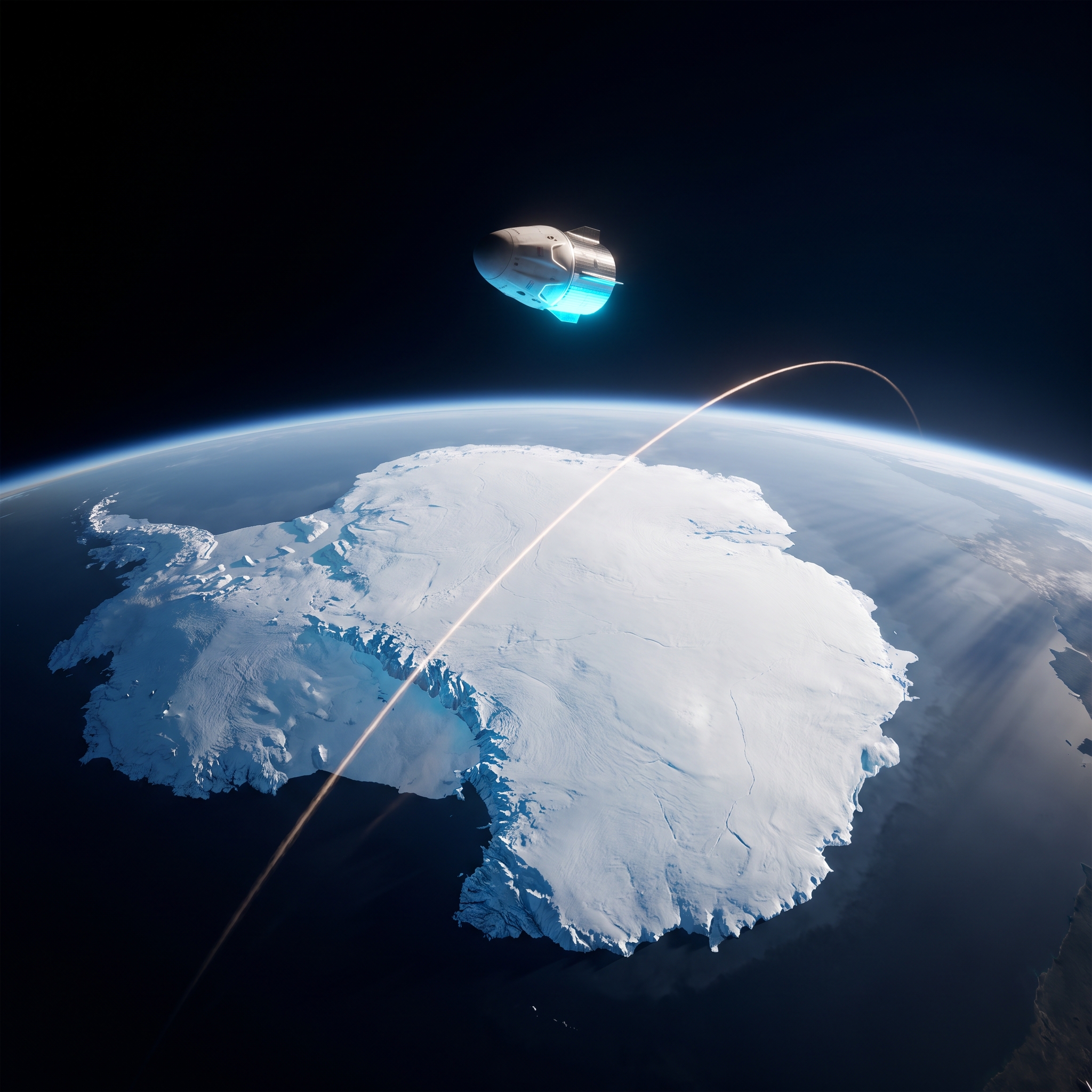 Four private astronauts just completed Earth's first true polar orbit on SpaceX's Fram2In April 2025, SpaceX's Fram2 mission made history when four private astronauts — led by crypto entrepreneur Chun Wang — became the first humans to fly a true polar orbit, circling Earth at 90.01 degrees inclination and crossing both poles every revolution. No government space program had done this in 60-plus years.
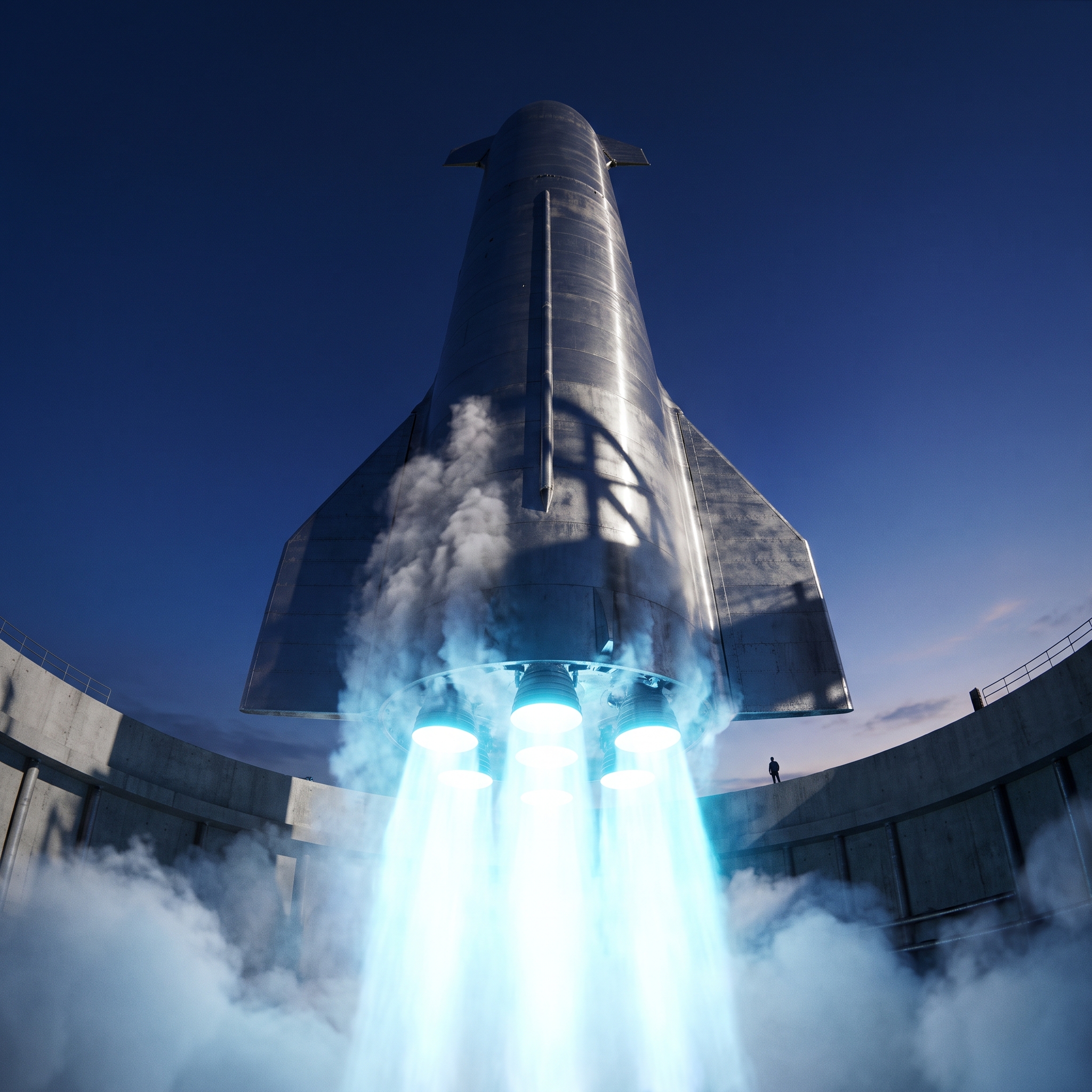 SpaceX fired up all 6 of Starship's engines ahead of the 13th integrated test flightOn July 2, 2025, SpaceX completed a 60-second, six-engine static fire of Ship 40's Raptor 3 engines at Massey test site — clearing a key milestone toward Starship's 13th integrated test flight. But SpaceX has not publicly explained what caused eight Raptor 3 engines to fail during IFT-12's boostback burn eight weeks earlier.
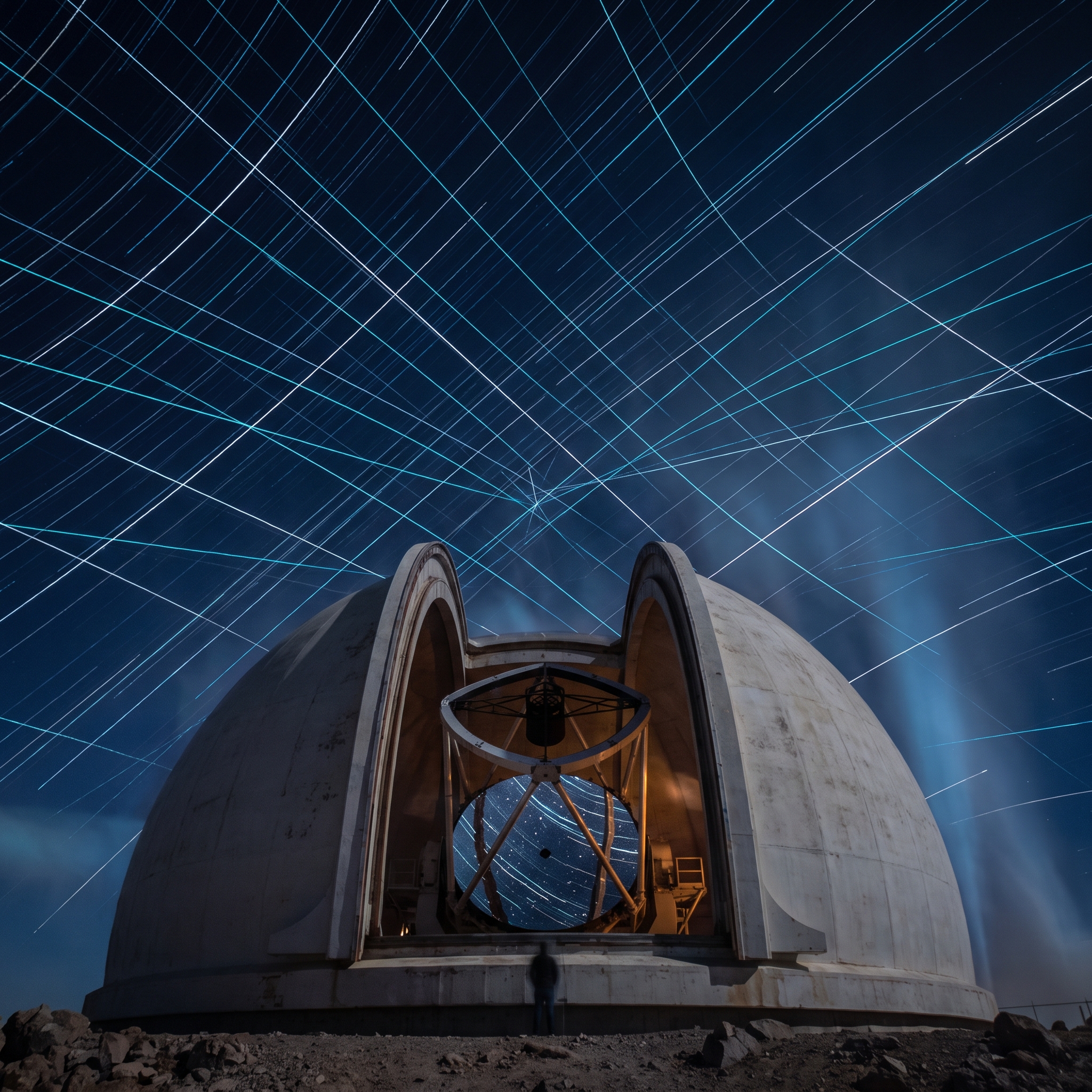 SpaceX's million-satellite plan could wreck ground-based astronomy, ESO study warnsA European Southern Observatory study sets a hard limit of 100,000 satellites before ground-based astronomy becomes unworkable. FCC filings already total over 1.7 million, including SpaceX's application for roughly one million Starlinks alone — enough to brighten the night sky by 300% and eliminate wide-field survey astronomy.
 A single Falcon 9 booster just completed its seventeenth flight — carrying crew, landers, and satellitesSpaceX Falcon 9 booster B1085 completed its seventeenth flight on June 28, 2026, launching SiriusXM's 15,400-pound SXM-11 satellite from Cape Canaveral — the same booster that previously carried Crew-9 astronauts to the ISS and Firefly's Blue Ghost lunar lander. SpaceX has never publicly disclosed what refurbishment costs at this flight count actually total.
 Elon Musk is pulling top Starship and Starlink engineers off rockets to build Grok AIElon Musk on June 28, 2026, announced that several dozen of SpaceX's top Starlink and Starship engineers have shifted much of their time to Grok AI development — raiding SpaceX's primary revenue program to chase OpenAI, Anthropic, Google, and Chinese open-source rivals Musk publicly admitted xAI is currently trailing.
 SpaceX's real revenue play isn't rockets — it's mobile phone serviceSpaceX is pursuing a direct-to-consumer Starlink mobile service and spent $19.6 billion acquiring EchoStar spectrum, yet simultaneously negotiated with Charter to run phone traffic over Charter's ground infrastructure. Full broadband direct-to-smartphone requires V2 Mobile satellites, with earliest deployments in 2027, dependent on Starship certification.
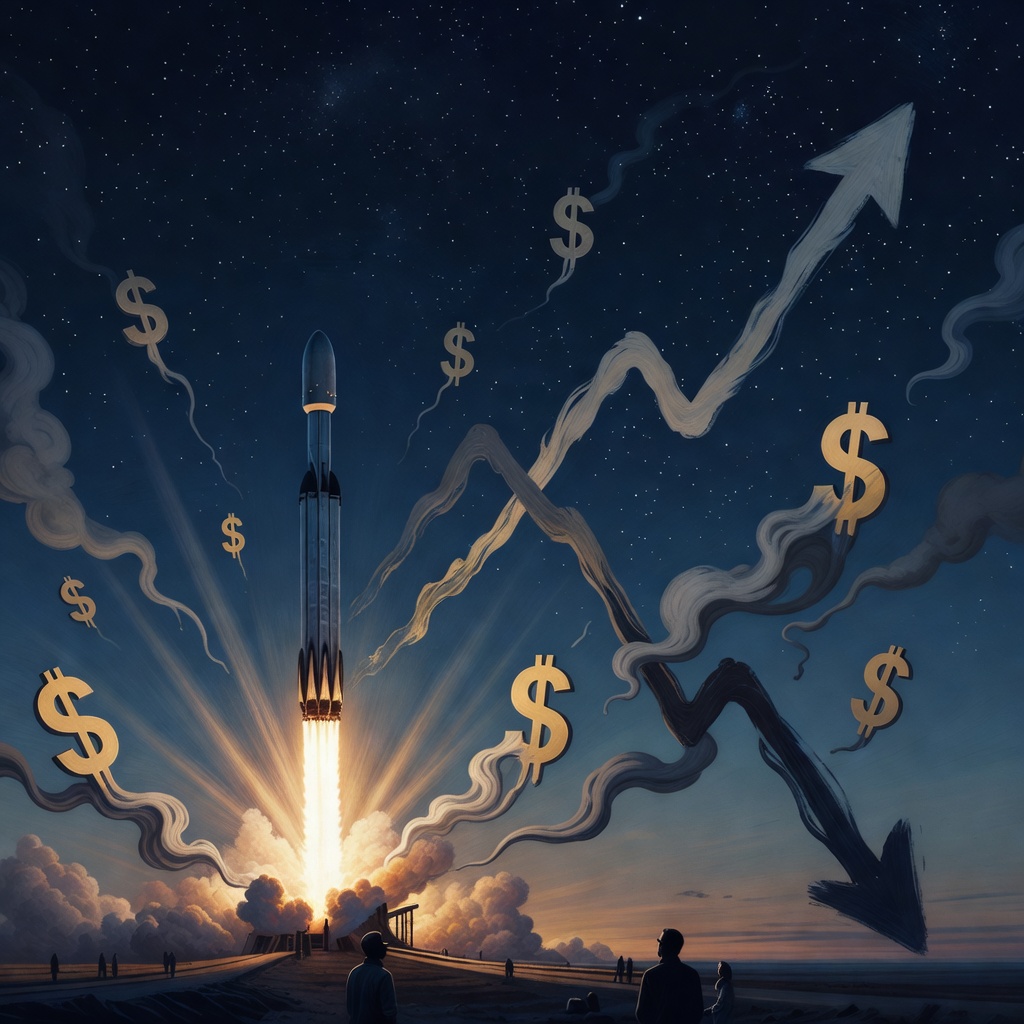 SpaceX is valued at $1.77 trillion but has never turned a profit — can it justify the gap?SpaceX IPO'd at $135/share in June 2026, valuing the company at $1.77 trillion despite a $41.3 billion accumulated deficit and a $4.937 billion net loss in 2025. Starlink is the only profitable division. Morningstar's DCF puts fair value at $63/share — a 59% gap the market has yet to close.
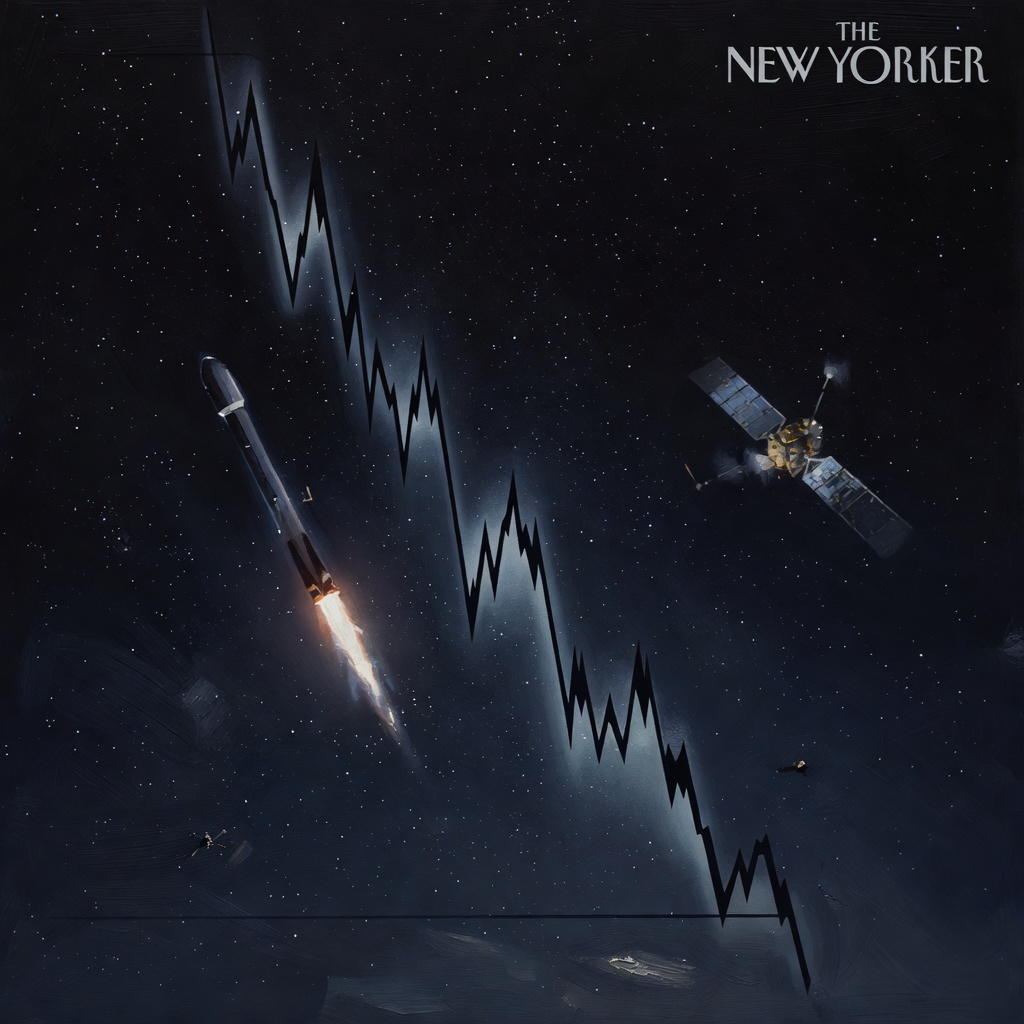 SpaceX is struggling to maintain IPO gains two weeks later, failing to lift the broader space economySpaceX (SPCX) peaked at $225.64 within days of its record $75 billion IPO on June 12, 2026, then fell roughly 16% in a single session to around $153 — erasing most IPO gains. Analysts at Fundstrat argue SpaceX's vertical integration means no value flows to the broader space supply chain, making the 'sector play' narrative misleading.
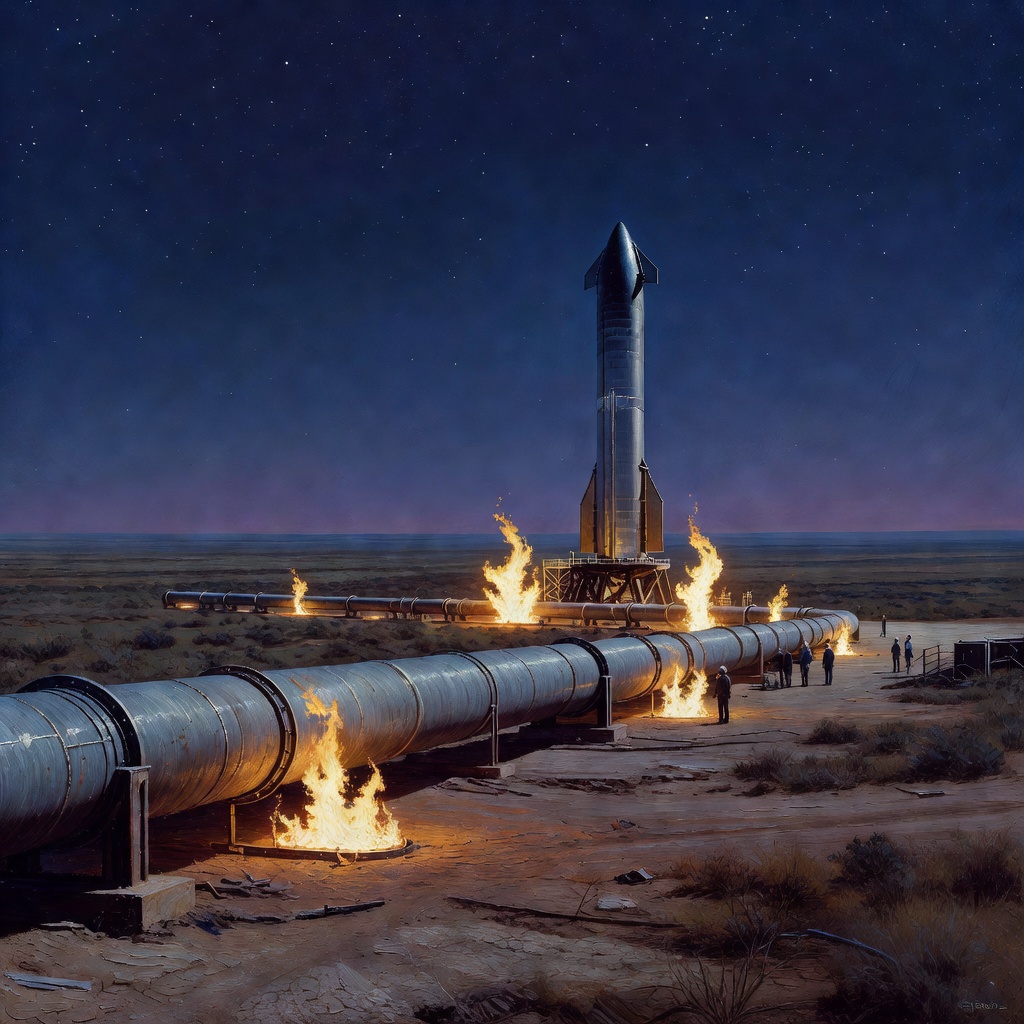 SpaceX is building its own natural gas pipeline to fuel Starship rockets in TexasSpaceX is building 'Starpipe,' an 8-mile, 16-inch natural gas pipeline from the Brownsville Ship Channel to its Starbase launch site in Texas. Each Starship launch consumes 630,000 gallons of liquid methane, currently delivered by hundreds of tanker trucks. Operations are planned for January 26, 2027, per Railroad Commission of Texas filings.
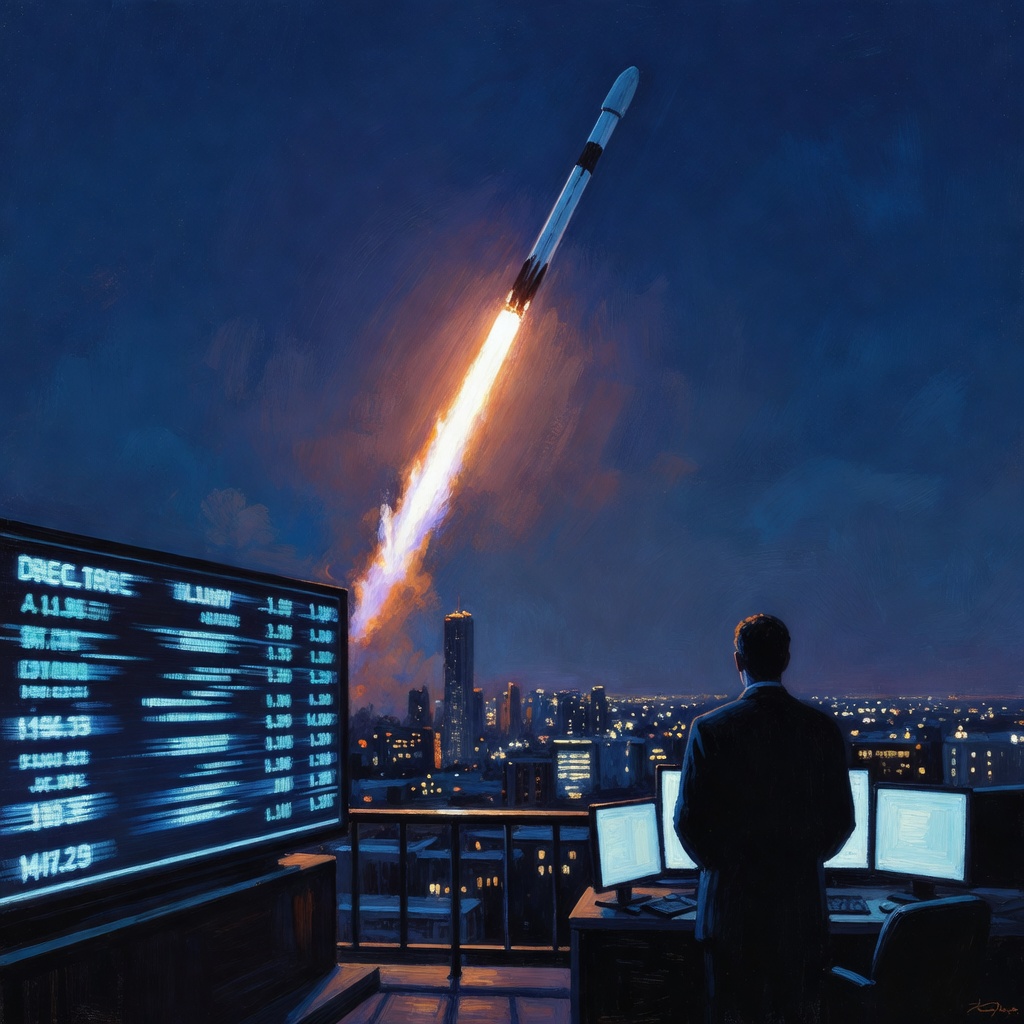 SpaceX just got added to the Russell 1000 — what that means for Wall Street tradingSpaceX listed on Nasdaq as SPCX at $135 a share, and a new FTSE Russell fast-entry rule added it to the Russell 1000 just five trading days later — routing it into millions of 401(k)s. The investable float was only $70 billion against a $2.1 trillion valuation, triggering an estimated $150 billion in single-day trading volume.
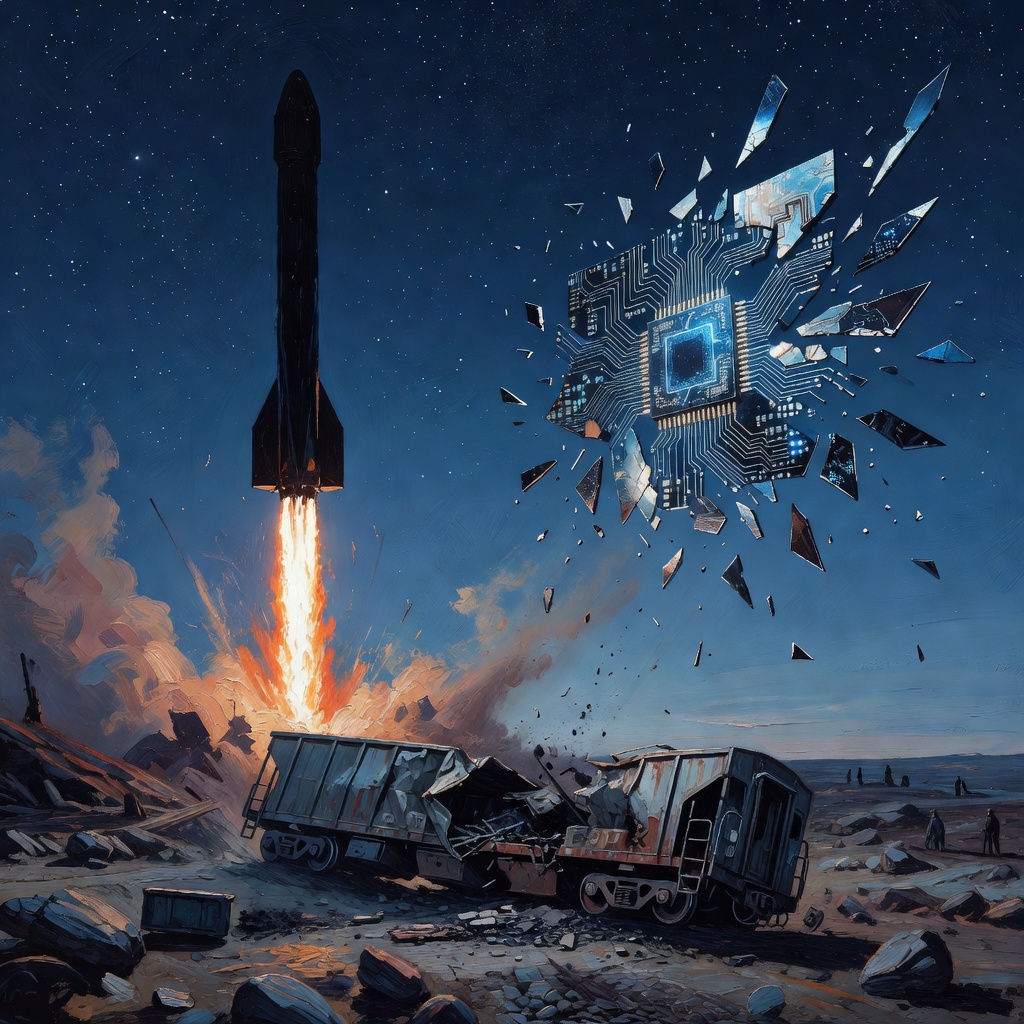 LinkedIn founder Reid Hoffman says SpaceX is 'not an AI company' — and calls xAI a 'complete train wreck'Reid Hoffman, a Greylock Partners investor in OpenAI and Anthropic, called xAI 'a complete train wreck' and dismissed SpaceX as a 'premium-priced CoreWeave' in June 2026 — while critics note all eleven original xAI co-founders had departed by May 2026 and SpaceX held a $6.3 billion compute contract with Reflection AI.
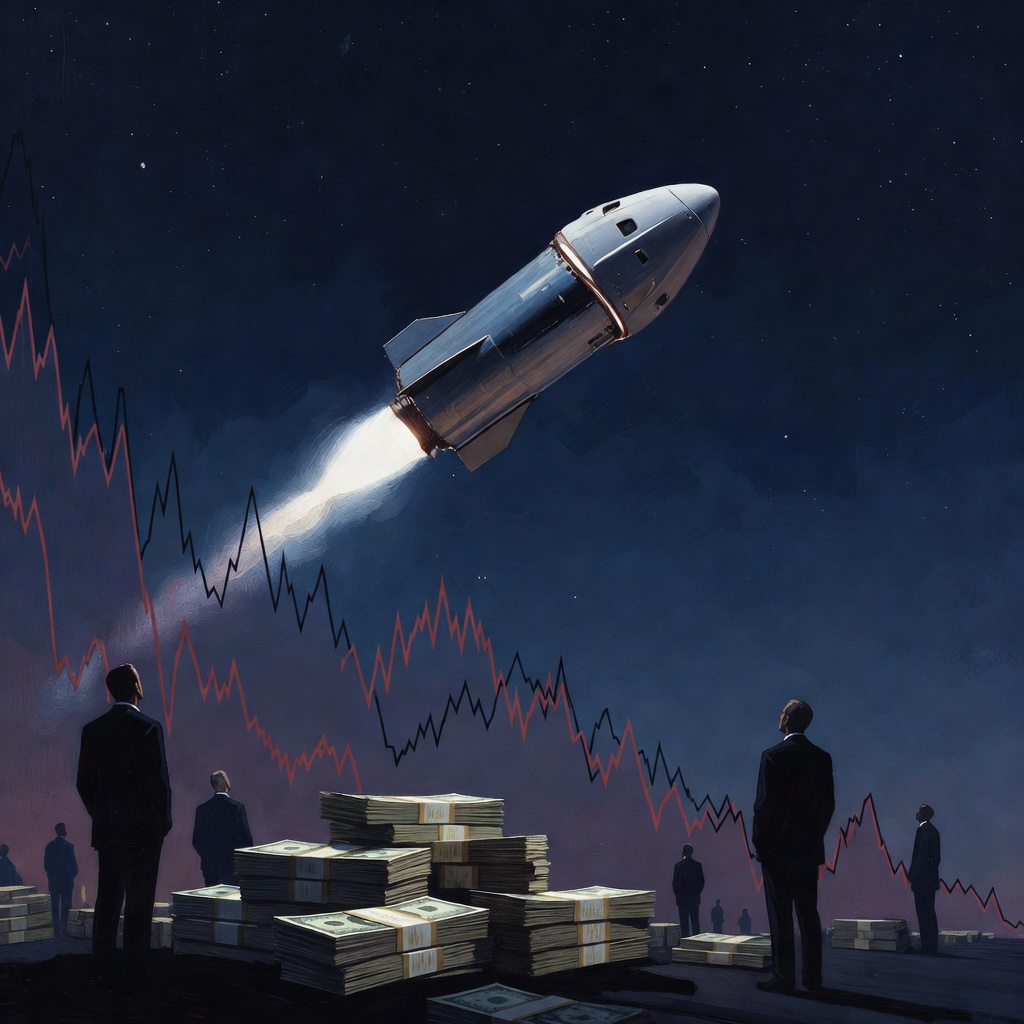 SpaceX raised $25B in debt just two weeks after a record IPO, as shares plunged 31% from peakSpaceX raised $25 billion in its debut bond sale less than two weeks after the largest IPO in history — while its stock had already fallen 31% from its $225.64 peak, erasing $620 billion in market value. Debt investors placed $89 billion in orders even as equity holders absorbed steep losses.
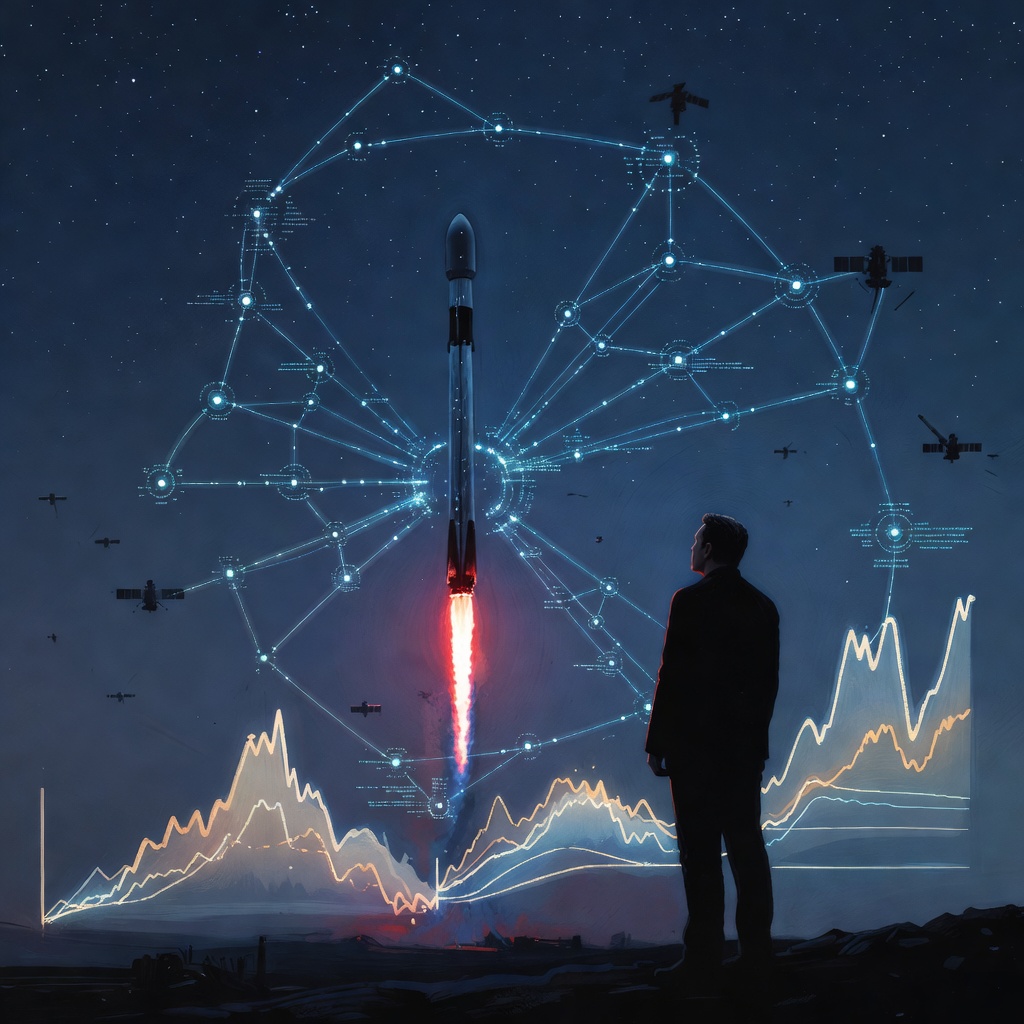 SpaceX's valuation ceiling is tied directly to Elon Musk's broader tech ecosystemSpaceX IPO'd on June 12, 2026 at a $1.77 trillion valuation — the largest IPO ever — despite only $18.7 billion in 2025 revenue and a net loss. The bull case rests on Starlink's satellite dominance, unproven Starship cost curves, and the xAI merger, but 85% voting control by Musk means no independent check on future deals.
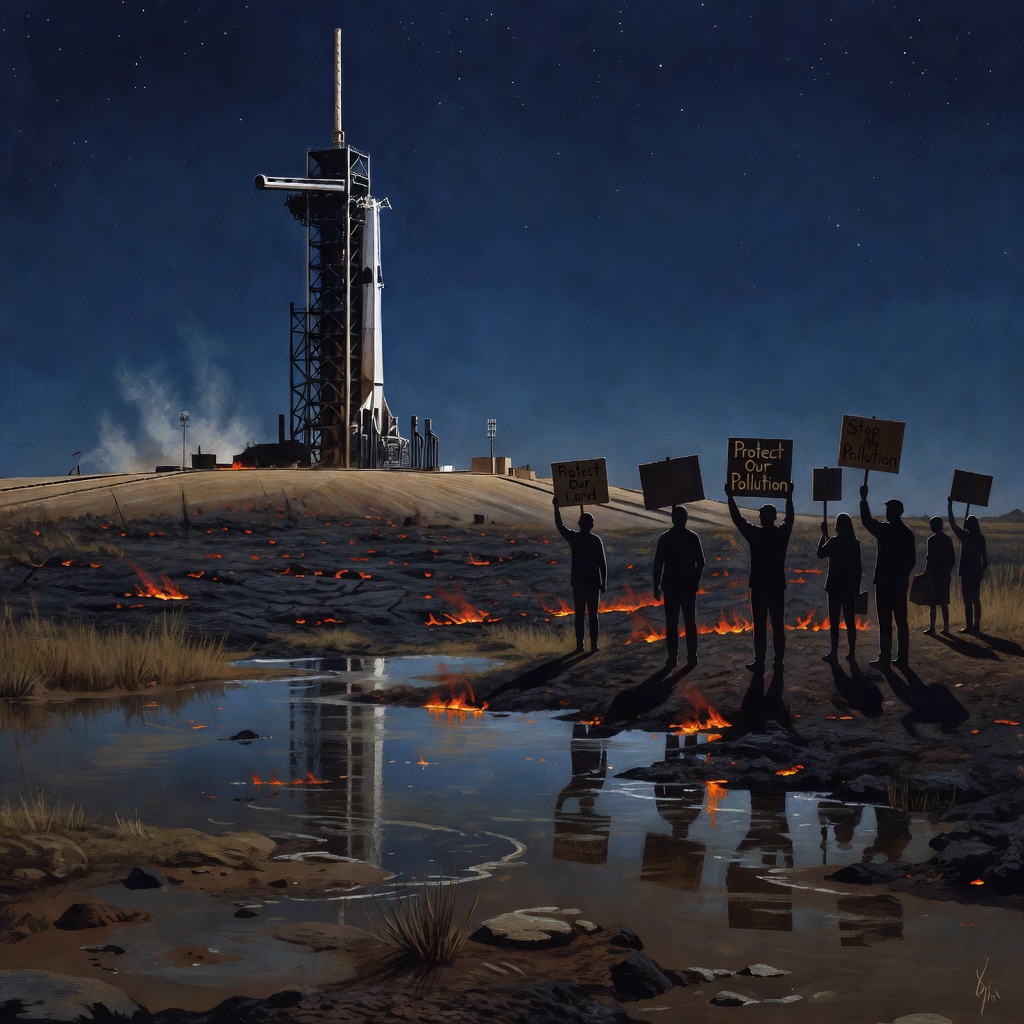 Environmental groups are suing over SpaceX's Texas operations — habitat burns and water pollution citedThe U.S. Fish and Wildlife Service transferred 715 acres of the Lower Rio Grande Valley National Wildlife Refuge to SpaceX after fining the company $150,000 for Clean Water Act violations — receiving only 683 acres of a different refuge in return. Environmental groups and the Carrizo/Comecrudo Nation filed suit in federal court on June 10–11 to block the swap.
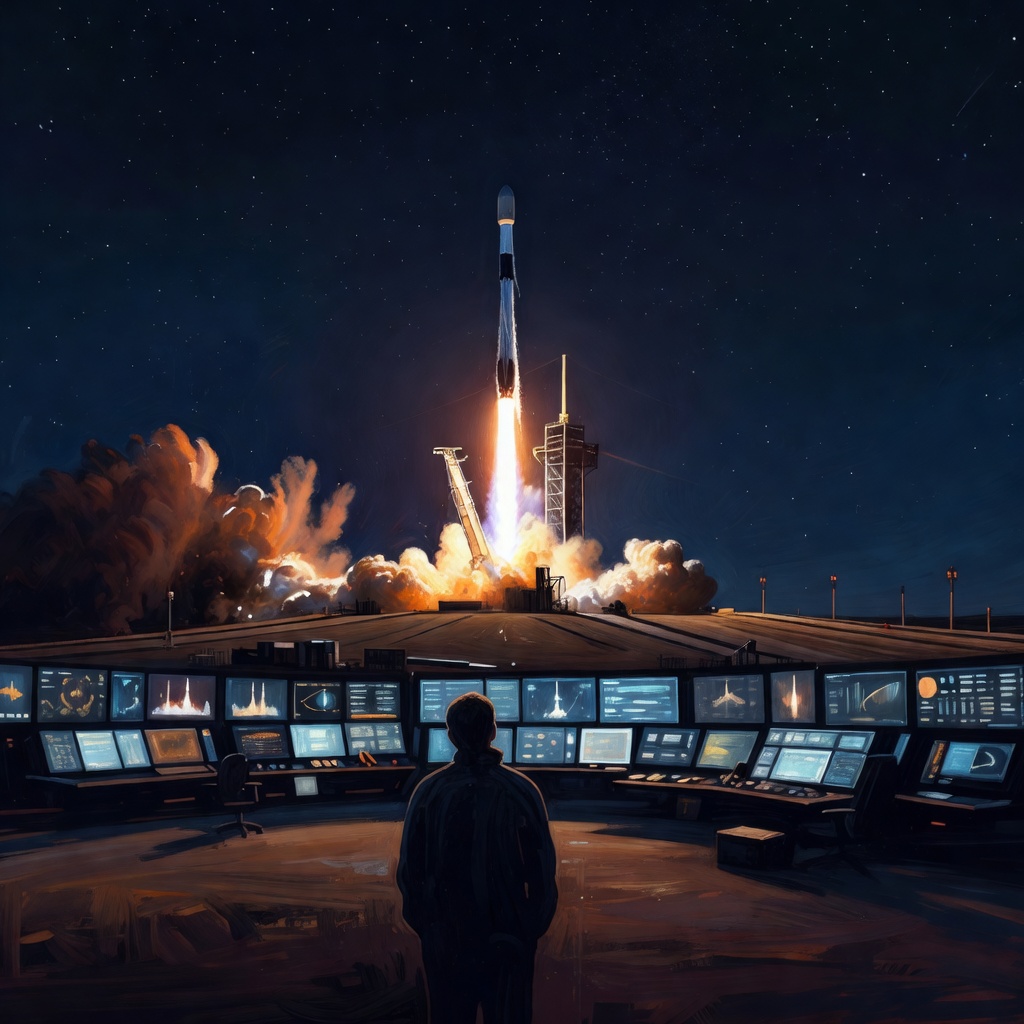 SpaceX's Wild First Week PublicSpaceX raised $75 billion in its June 12, 2026 IPO — the largest in history — priced at $135 per share on Nasdaq. Four days later, with shares peaking at $229.40, the company announced a $60 billion all-stock acquisition of AI coding platform Cursor, a deal whose option had been signed months before the IPO.