Topic · 15 episodes
Climate & Energy
Climate & Energy is fracturing along several fault lines at once. Permafrost holds up to 1,700 billion tonnes of carbon in a self-reinforcing thaw cycle. Europe's third heatwave of 2026 is pushing electricity grids toward blackouts and displacing over a quarter-million people from wildfires. In the US, insurers are abandoning high-risk states. Meanwhile, policy responses — from NYC's flood bureau to UK balcony solar rules — remain structurally underfunded or riddled with access gaps.
Frequently asked
Why are home insurers leaving California and Florida?
State Farm, Allstate, and Farmers have exited California and Florida because 23.1% of US homes — worth $11.2 trillion — sit in severe climate-risk zones. Senator Sheldon Whitehouse calls it the 'Great Climate Insurance Collapse': a structural breakdown where state last-resort insurers are absorbing concentrated risk they were never designed to hold.
How bad were the 2026 wildfires in France and Spain?
The July 2026 wildfires in France and Spain displaced over a quarter-million people and prompted Spain's first-ever national wildfire emergency. France deployed the army and EU aerial support. The Gironde fire alone grew from 10,000 to 19,000 hectares in roughly two days, while simultaneous fires burned in Sicily.
Why did electricity prices spike during Europe's 2026 heatwave?
Europe's third heatwave of 2026 pushed electricity prices two to three times above normal. Air-conditioning demand surged 14% while France's Golfech nuclear reactor went offline because the Garonne River was too warm to cool it — a simultaneous supply-and-demand crisis that grid infrastructure was not designed to handle.
How much carbon is locked in permafrost and why does it matter?
Permafrost holds an estimated 1,400–1,700 billion tonnes of carbon — two to three times the amount currently in the atmosphere. Its thaw-driven release is self-reinforcing, and scientists say permafrost carbon loss after an overshoot scenario appears irreversible, making it one of the most consequential feedback loops in the climate system.
Can UK renters install solar panels without planning permission?
From August 27, 2026, UK households can install plug-in balcony solar panels without planning permission under SI 2026/848. However, renters still require landlord consent, leaving roughly five million flat-dwellers dependent on a text reply, not the law, to access solar energy.
Episodes
 The physics problem renewables solve and create: why supply variability breaks legacy gridsCalifornia's grid curtailed 738,000 MWh of clean power in just four months — a 29% year-over-year jump — even while running 15.8 GW of battery storage. The core problem is temporal, not economic: renewable energy is generated when physics allows, not when demand requires, and no market has yet priced the 'holding function' that fossil fuels provided for free.
 A US GAO report just exposed how climate hazards threaten nuclear plants with blackouts and shutdowns—what's at stake for grid stabilityA April 2024 GAO report (GAO-24-106326) found that 75 U.S. nuclear plants face escalating climate hazards — heat, drought, flooding, wildfires — yet the NRC still uses historical weather baselines, not forward projections, to assess risk. As of mid-2026, the NRC's response remains unresolved.
 Parts of Eastern and Central Europe just shattered heat records—triggering wildfires and river declineSlovakia broke its all-time heat record at 42°C on August 6th, while Austria hit 41.2°C the same week — two national all-time records in one event. The same heat dropped the Danube and Vistula low enough to knock 1.3 gigawatts of Polish coal capacity offline and push Hungary's Paks nuclear plant to the brink of shutdown.
 Heat waves across Europe are now cutting nuclear plant output—threatening baseload power when demand peaksDuring Europe's 2026 summer heatwave, EDF curtailed at least four French reactors — Golfech 2, Bugey 3, Saint-Alban 2, and Nogent 2 — cutting 3.65 to 4.1 gigawatts of baseload power. The shutdown trigger was a hard regulatory cap of 28°C on river discharge temperatures, not reactor failure — and the same five riverine plants have driven this pattern for over 20 years.
 Why coal plants built for 40-year lifespans shut down in 20 — and what it costsU.S. regulated coal plants carry over $100 billion in undepreciated book value, and early retirements — like WEPCO's Oak Creek plant closing 17 years early with $645 million still on the books — force a collision between utility cost-recovery promises and decarbonization timelines, with ratepayers, shareholders, or taxpayers absorbing the gap.
 Carbon tax guarantees price, cap-and-trade guarantees emissions — neither guarantees bothA carbon tax fixes the price per ton of emissions but lets total emissions float; cap-and-trade fixes the emissions ceiling but lets the permit price swing from $5 to $100 in a single quarter. The IMF's 2022 structural analysis frames this as a fundamental tradeoff: one certainty always floats. Neither instrument guarantees both.
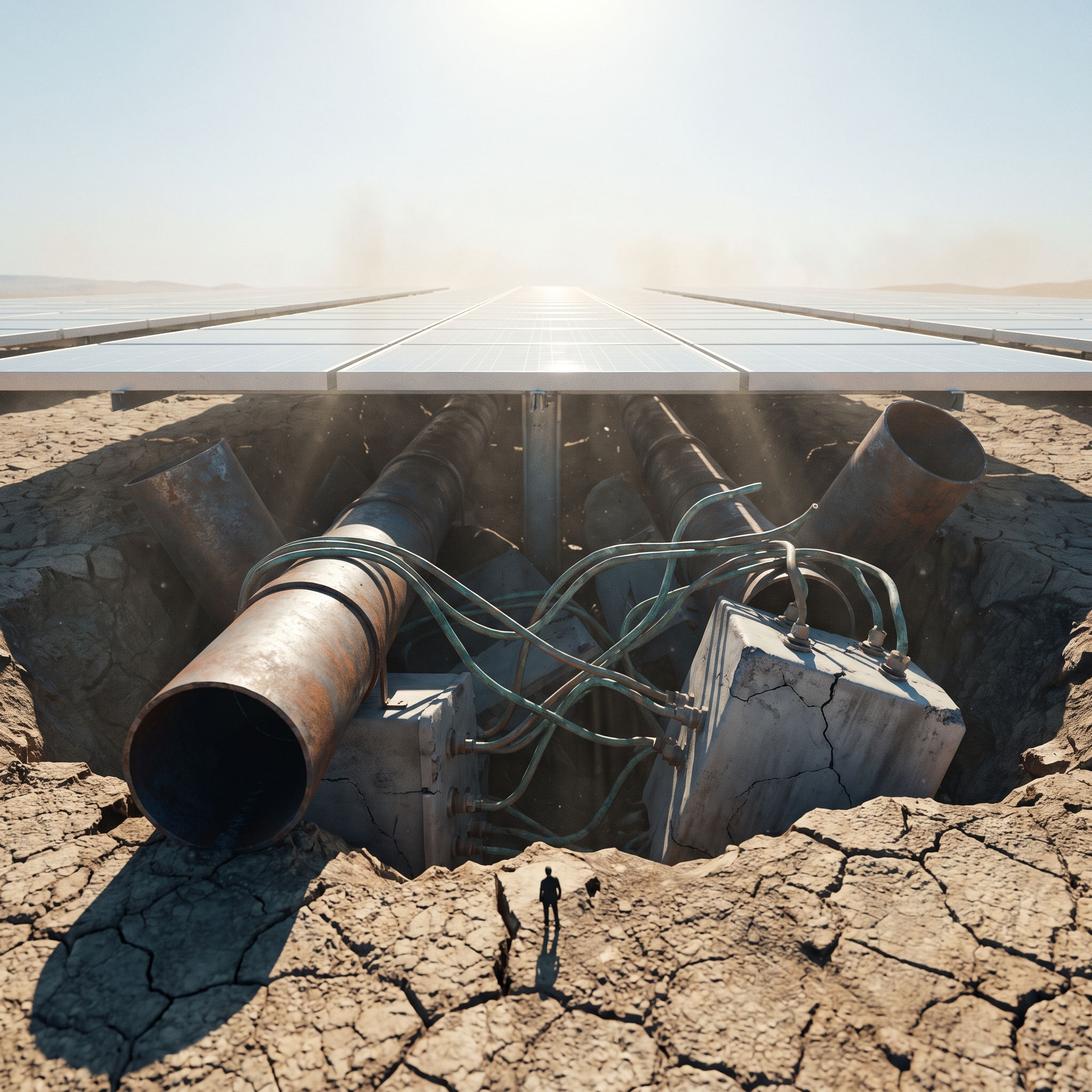 LCOE ignores grid services costs — why cheap solar doesn't mean cheap electricityLCOE (Levelized Cost of Energy) measures only 35% of a typical electricity bill — the generation asset — while transmission, storage, backup capacity, and grid integration costs, which together make up roughly 50% of bills, are excluded. A $25/MWh solar bid can carry $40–$60/MWh in hidden integration costs, erasing its apparent cost advantage.
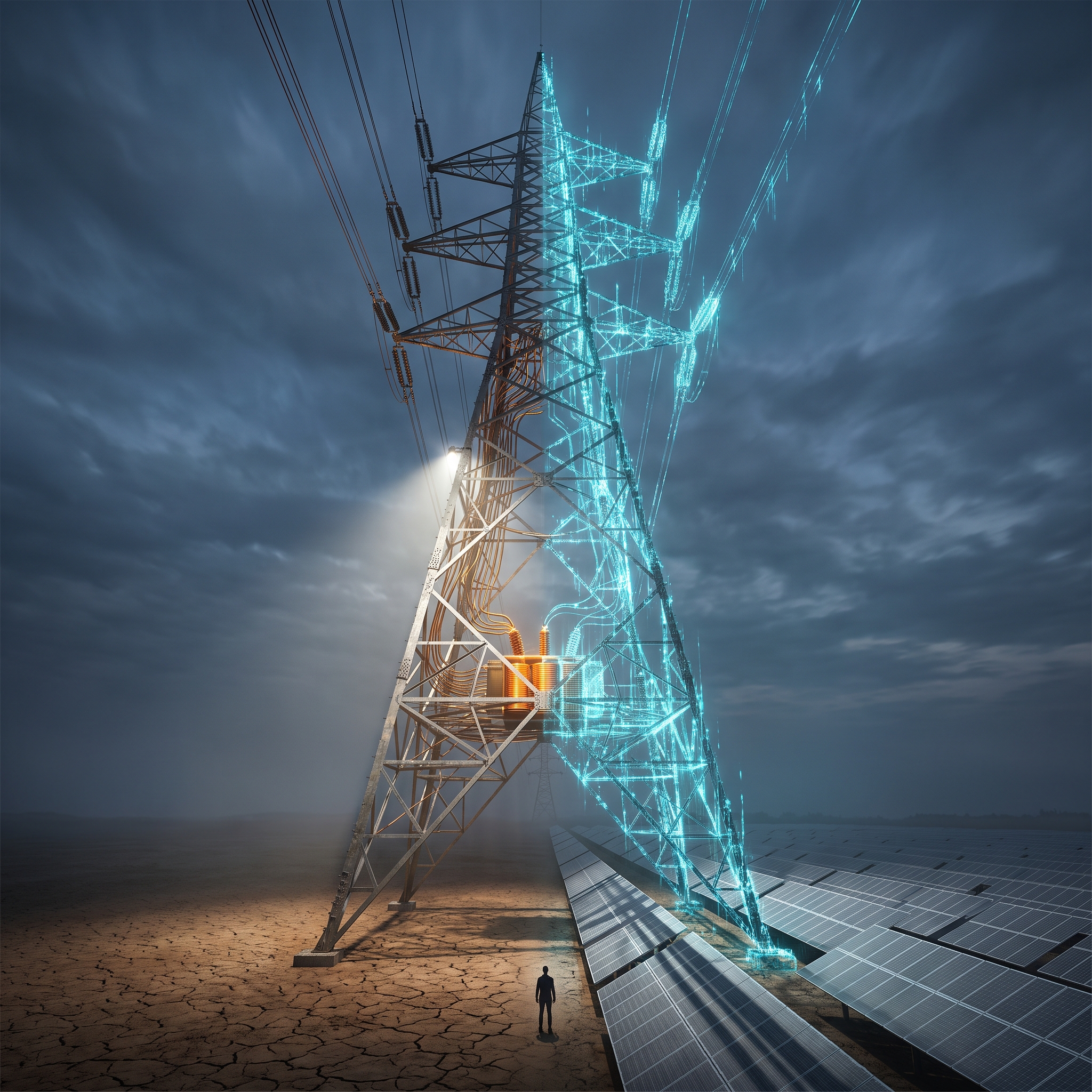 How grid physics locked in baseload power — and why renewables break that modelRenewable energy grids fail above roughly 30% penetration not because of inadequate generation, but because market rules, regulatory frameworks, and grid architecture were all built around dispatchable power plants — not variable wind and solar. Australia's grid stress from abundance, not shortage, is the clearest proof of that design mismatch.
 How melting permafrost and ocean warming create self-reinforcing carbon release cyclesPermafrost holds 1,400–1,700 billion tonnes of carbon — two to three times what is currently in the atmosphere — and its thaw-driven release is self-reinforcing: the CMIP6 model range of 1.8°C to 5.6°C climate sensitivity reflects feedbacks already running, not future risk, and permafrost carbon loss after overshoot appears irreversible.
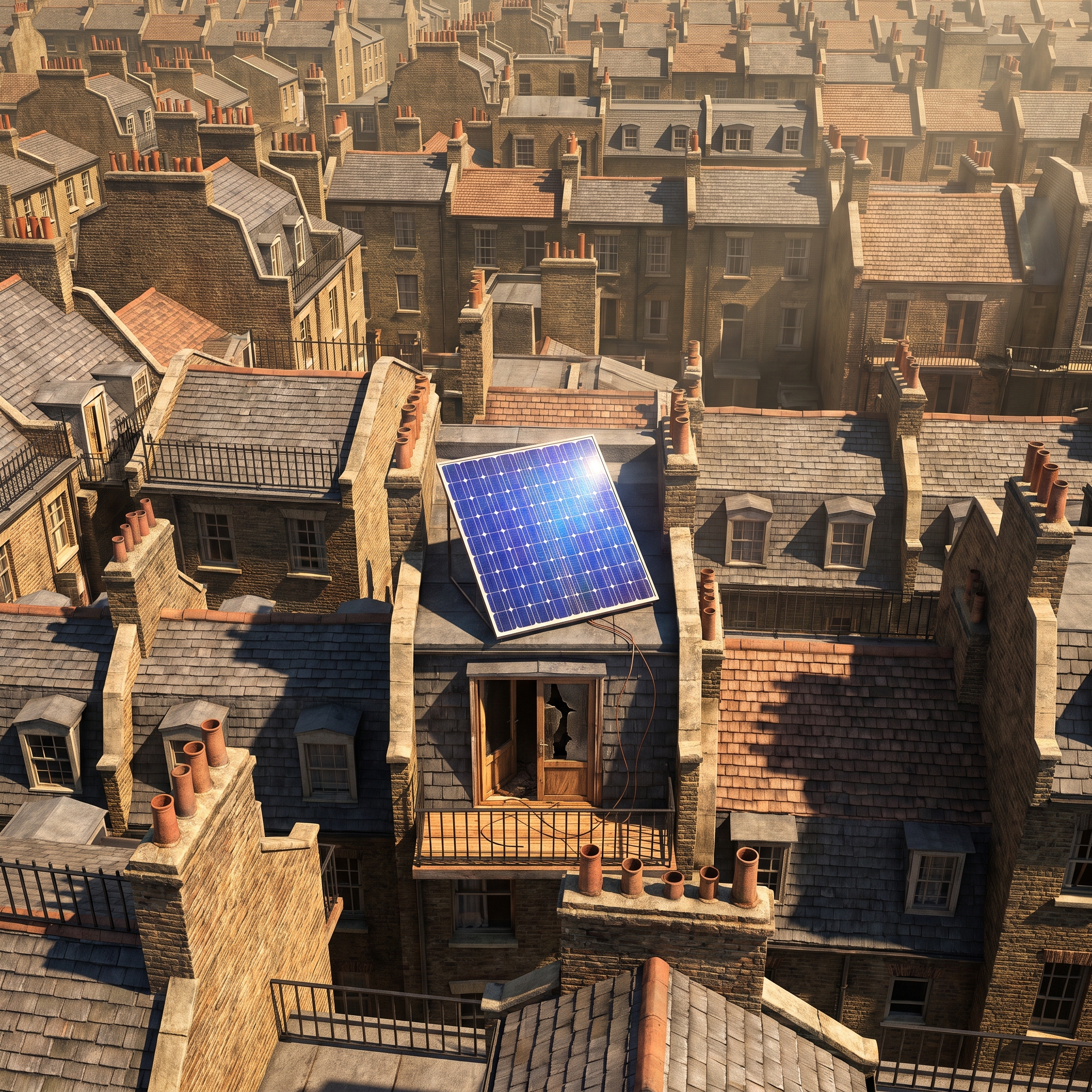 UK households can now install balcony solar panels without permission starting August 27From August 27, 2026, UK households can install plug-in solar panels without planning permission under SI 2026/848 — but renters still need landlord consent, leaving roughly five million flat-dwellers dependent on a text reply, not the law, to access solar energy.
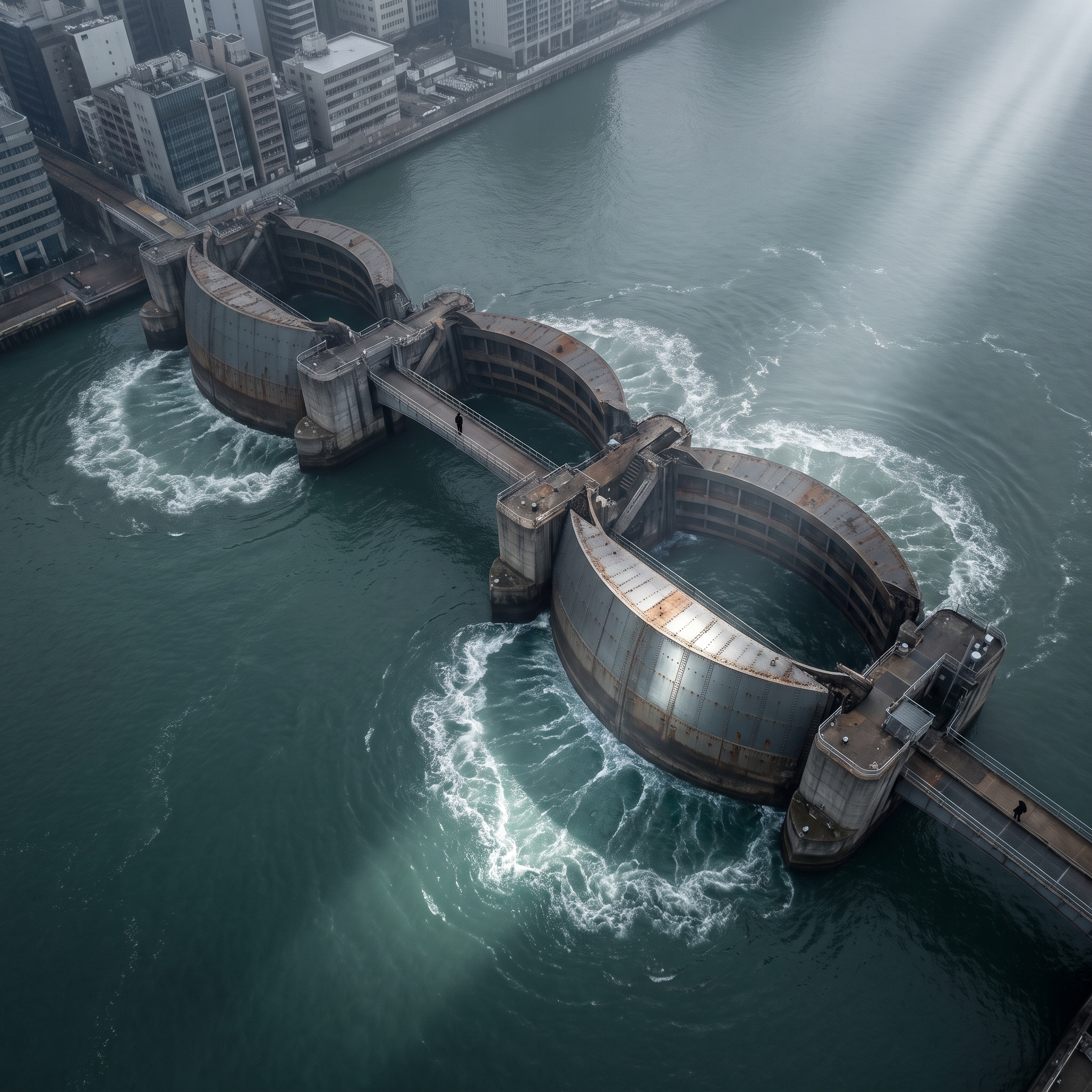 NYC commits $43 million to stop urban flooding as climate effects accelerateNew York City's Bureau of Coastal Resilience launched in 2023 with just six staff and a ~$1 million budget to oversee a $1.45 billion flood-gate project. Mayor Mamdani's July 24, 2026 announcement commits $43.2 million to expand the BCR to 75 staff — but a full coastline funding plan still doesn't exist.
 The 'Great Climate Insurance Collapse' is now hitting US homeowners in flood and wildfire zonesSenator Sheldon Whitehouse coined the term 'Great Climate Insurance Collapse' to describe a structural breakdown: State Farm, Allstate, and Farmers have exited California and Florida, 23.1% of U.S. homes worth $11.2 trillion sit in severe climate-risk zones, and state last-resort insurers are absorbing concentrated exposure they were never designed to hold.
 Over 150,000 people evacuated as wildfires merge across France and Spain todayOver a quarter-million people were displaced as wildfires merged across France and Spain in July 2026, prompting Spain's first-ever national emergency over wildfires and France's deployment of the army and EU aerial support. The Gironde fire alone grew from 10,000 to 19,000 hectares within roughly two days, while simultaneous fires burned in Sicily.
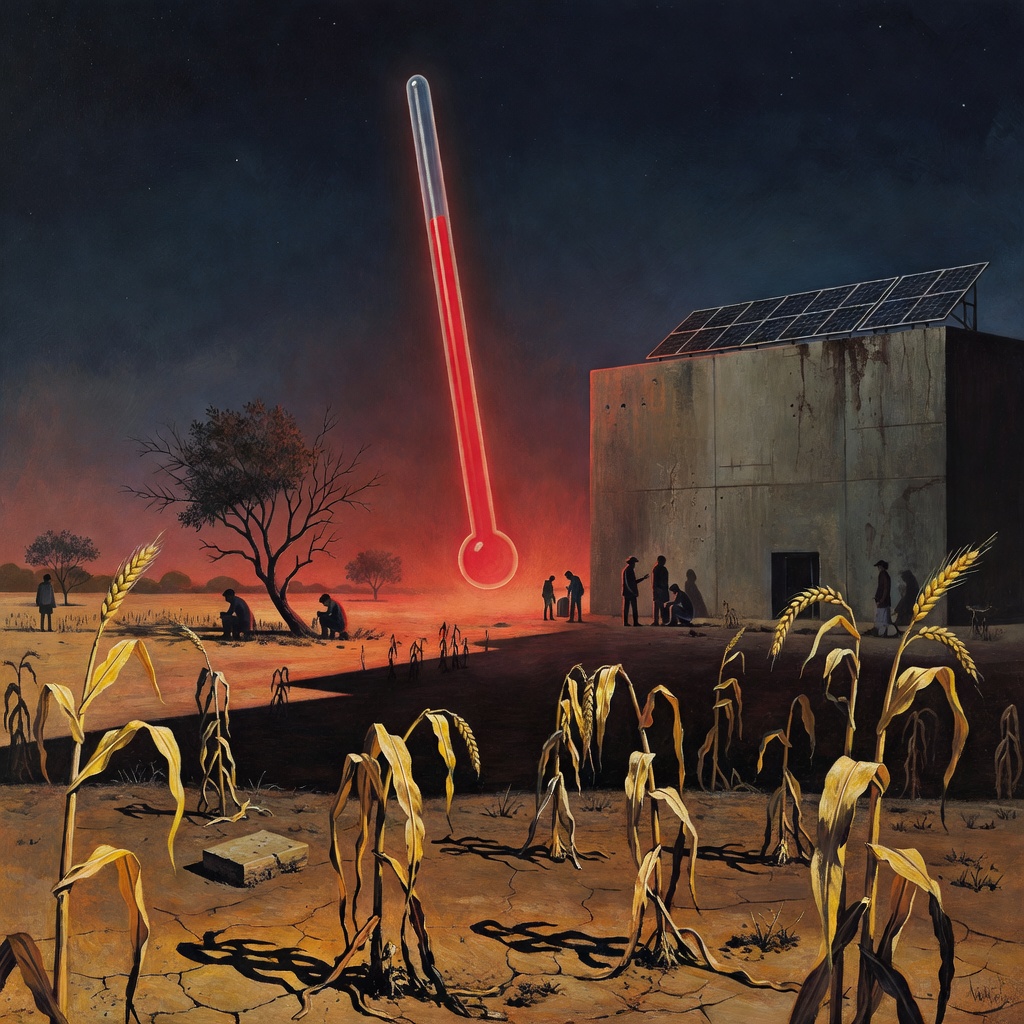 Scientists warn: 1976-style heatwaves will become normal life unless emissions drop and buildings adaptUK heatwave preparedness carries a government-calculated benefit-cost ratio of 10-to-one now, rising to 30-to-one by the 2040s — yet care homes and hospitals still lack air conditioning. Scientists say 1976-style heatwaves are already normal, not a future warning, because Britain's buildings were never designed to shed heat.
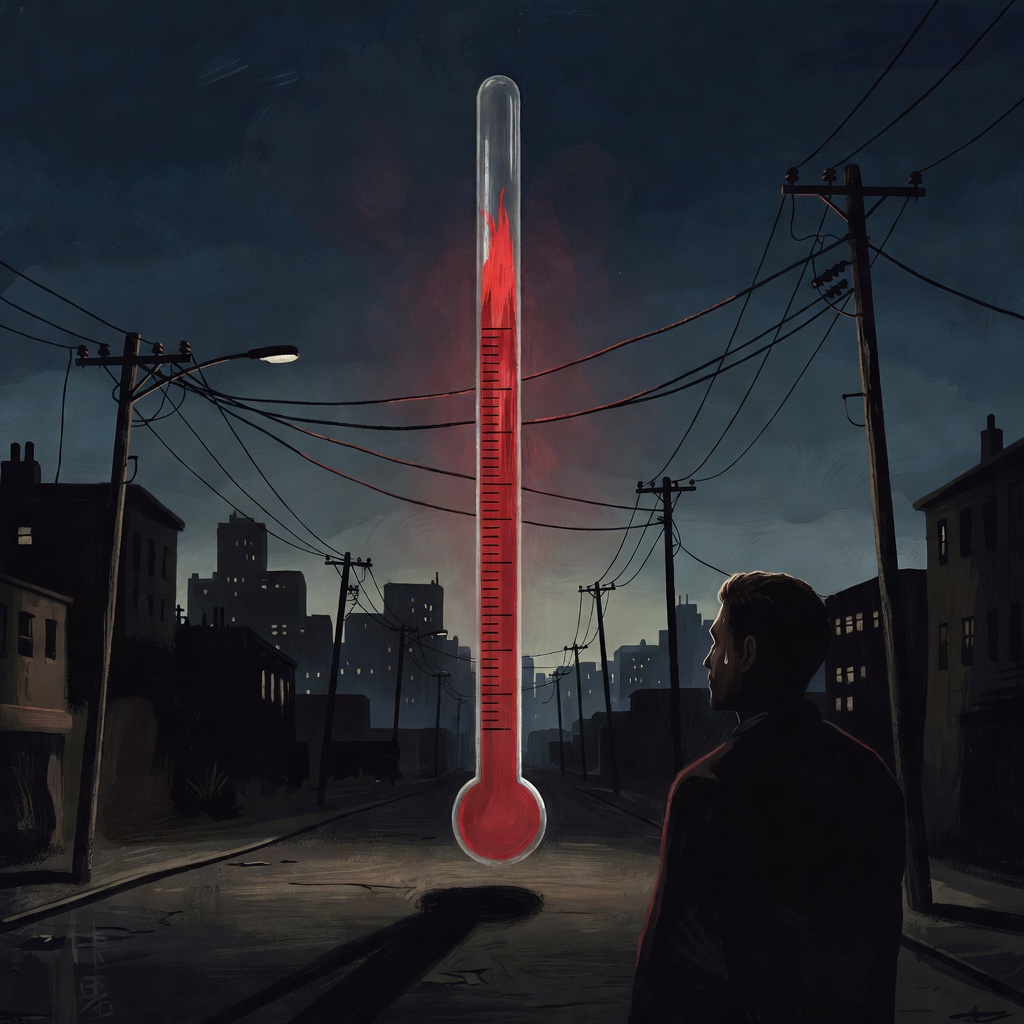 Europe's deadly heatwave is pushing electrical grids toward blackouts and spiking costsEurope's 2026 heatwave—its third in a single year—pushed electricity prices two to three times above normal as air-conditioning demand surged 14% while France's Golfech nuclear reactor went offline because the Garonne River was too warm to cool it, creating a simultaneous supply-and-demand crisis that grid infrastructure was not designed to handle.